As I’ve chosen to go with the landscape theme for this project, I wanted to research further into the landscape itself and artist that are related to my work. Which I took inspiration from for my shoots. I went to the library, finding books that were related to the theme, and others through the internet.
LANDSCAPE
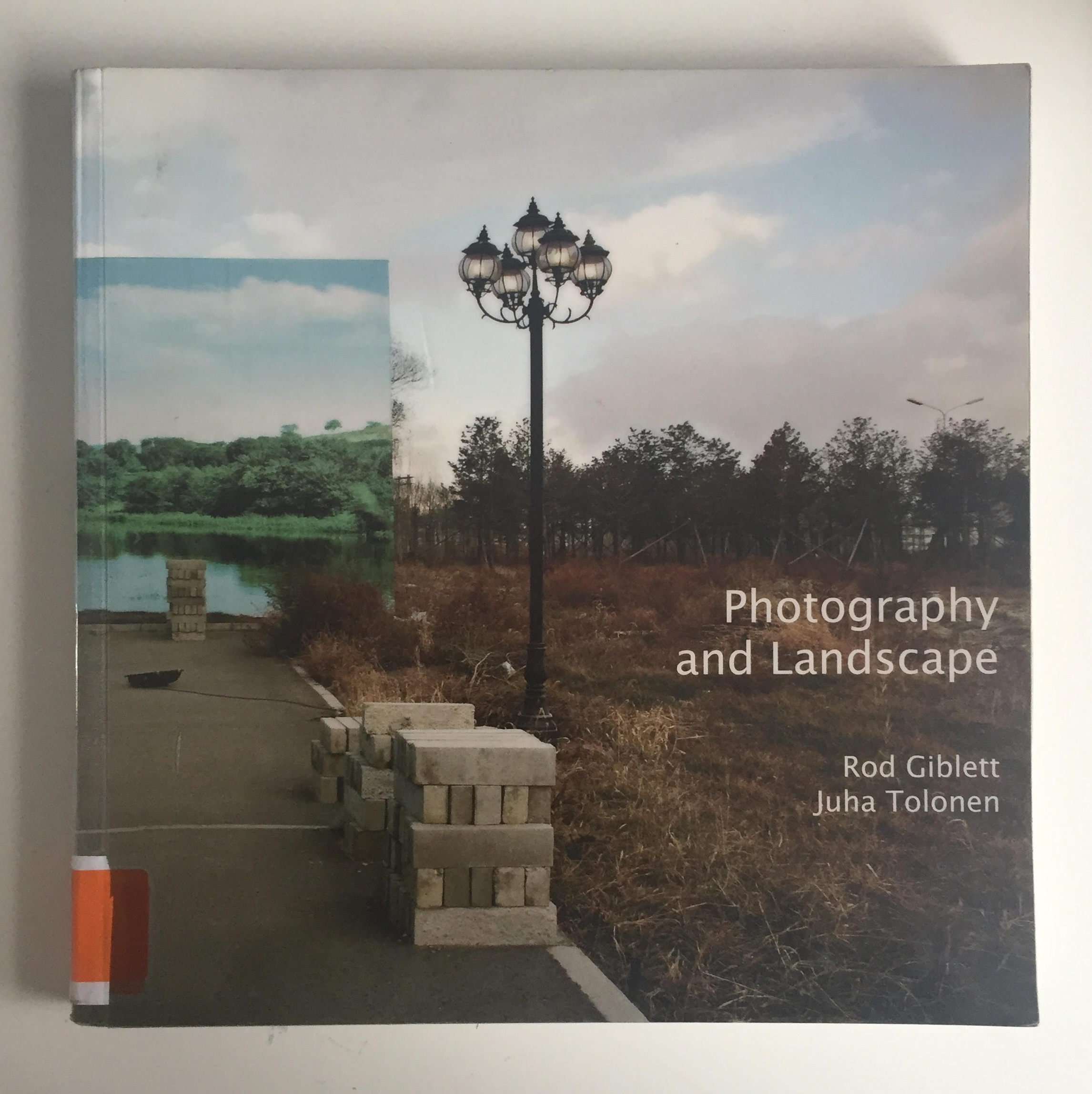
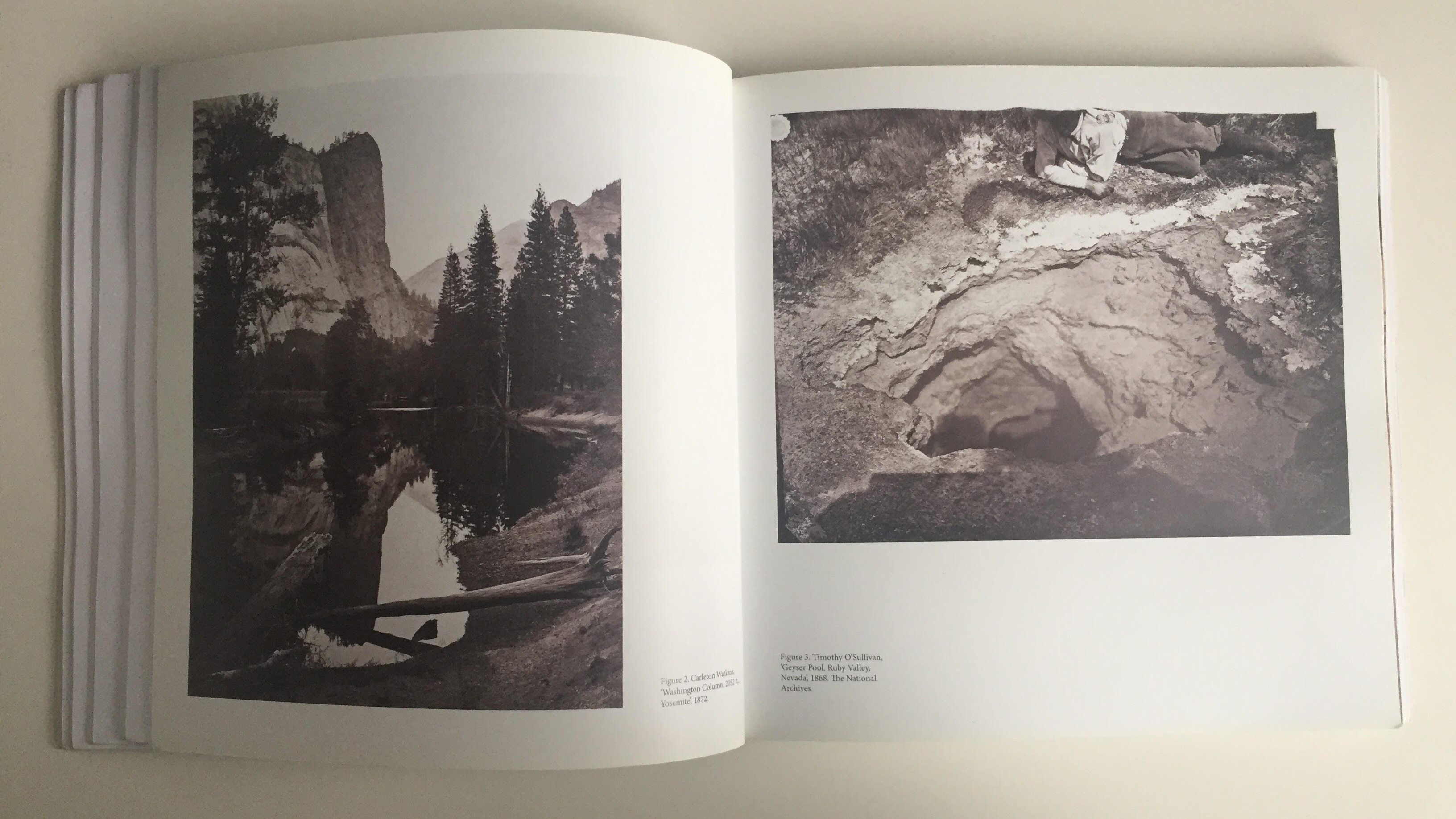
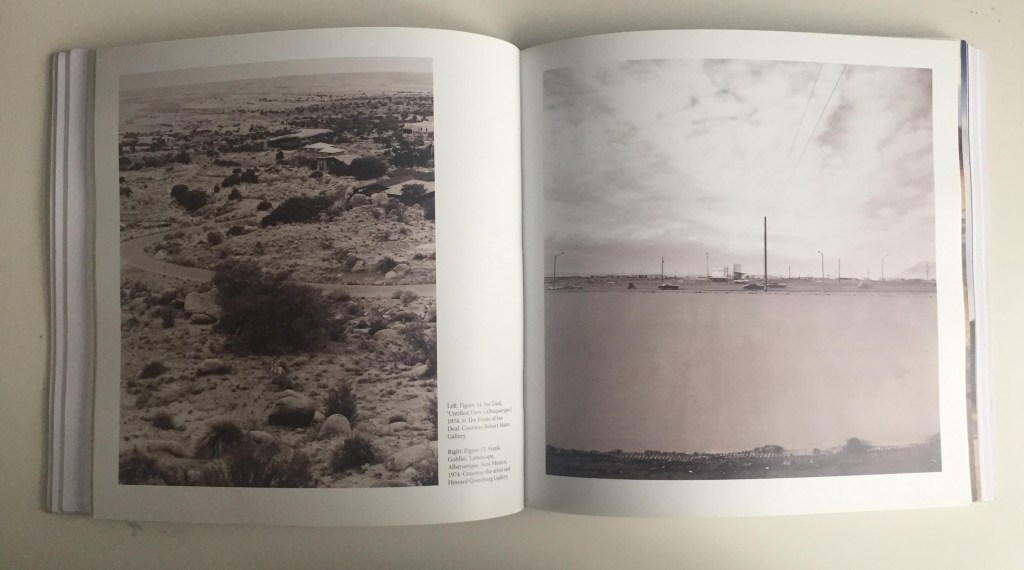
The first book I look at was Photography and Landscape by Rod Giblett & Juha Tolonen. This introduced me to the concept of different ideas and artists. I focused more on chapter 3 – It highlights that a landscape is used for “aesthetic appreciation”. “The land which we photograph is laid out for ‘viewing pleasure’ for people.” (Giblett and Tolonen, n.d.). Places like reserves, untouched by humans, are beautiful and pleasing to the eye. Like most people have a landscape photo somewhere around there house, they have it because its aesthetically pleasing to the viewer’s eye, and the place in the image is probably nothing like where they live, so they want to bring some of that peacefulness into there home.
“Landscape sets up a subject-object distinction between the viewer and the viewed.” (Giblett and Tolonen, n.d.). “It’s a visual experience for the roaming eye …. who occasionally stops to take in the prospect from a static viewpoint.” (Giblett and Tolonen, n.d.). “With landscape the surface of the land is set up against the self. The notion of landscape, as Veronica Brady (1998: 433) puts it glossing Judith Wright, ‘implies a division between the self and the land’. The land becomes a surface against which self poses itself, and a screen against which it projects its fears and desires, and from which it gains pleasure. Landscape separates subject and object. Landscape is a phenomenological and psychological category of the distinction between subject and object.” (Giblett and Tolonen, n.d.).
The land is set up before us, and we can’t change this environment landscape, only with a man-made object. But in a studio, you can change how objects are presented, but in a landscape environment, you cannot change these elements. The only thing you can change is perspective, from taking images from different angles and heights can change the emotions and the way the land is presented.
KEYWORDS OF LANDSCAPE PHOTOGRAPHY
After reading about landscapes in chapter 3, I move onto chapter 4, which is about Sublime and had other keywords. “Sublime is often considered to be one of the three major and legitimate modes of representation in landscape aesthetics along with the beautiful and the picturesque.” (Giblett and Tolonen, n.d.)
SUBLIME – Of very great excellence or beauty.
PICTURESQUE – Visually attractive, especially in a quaint or charming way.
COMPOSITION – Positioning the objects in the frame in such a way that the viewer’s eye is automatically drawn to the most interesting or significant area of the capture.
EXOTICISM – The quality of being attractive or striking through being colourful or unusual.
VIEWPOINT – The angle, direction or stance from which you choose to shoot each image.
ANTI-LANDSCAPES
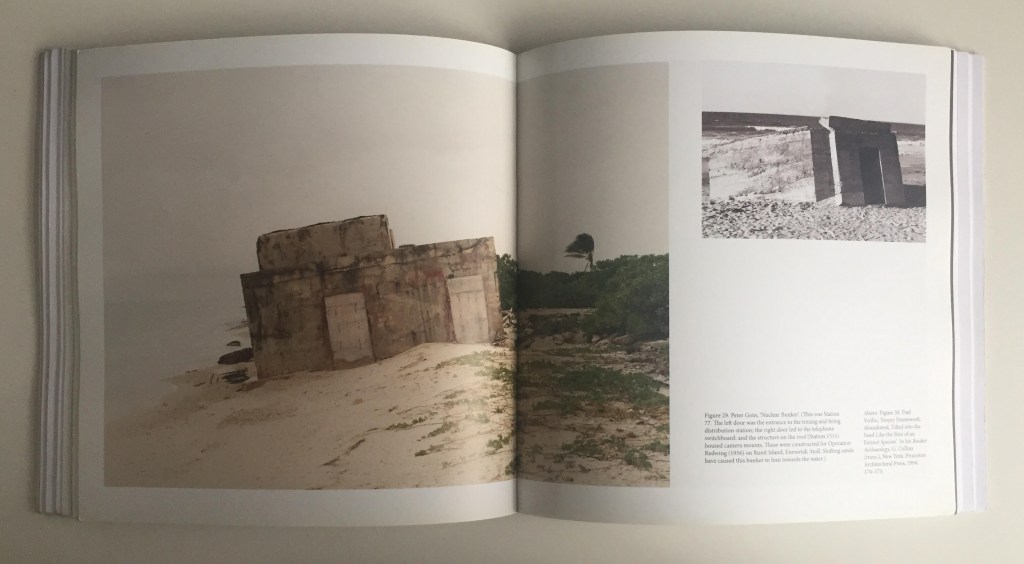
When reading through this book, I came across the word ‘Anti-Landscapes’, and I was curious about what this means. “The Anti-Landscape examines the emergence of such sites, how they have been understood, and how some of them have been recovered for habitation. The anti-landscape refers both to artistic and literary representations and to specific places that no longer sustain life.” (Nye and Elkind, 2014).
Rather than focusing on romantic, picturesque landscapes. Anti-landscapes, present an opposite to clichés of landscape photography, celebrating the ugliness. Without ugliness in this world, how would we distinguish beauty?
“The objects which the “anti-landscape” term studies are of central importance in the Anthropocene, not only because industrialized and even degraded landscapes are proliferating, but also because at a moment when human influence shapes every possible ecosystem and region, such landscapes are ‘nature.’ To say that degraded landscapes do not sustain life is in some ways to contradict the evidence offered by many of the essays included in this collection: that though toxicity and degradation maybe no fault of their own, families and communities continue to choose to live and work in such places. (B, Ross, 2014).
EXAMPLE OF ANTI-LANDSCAPE
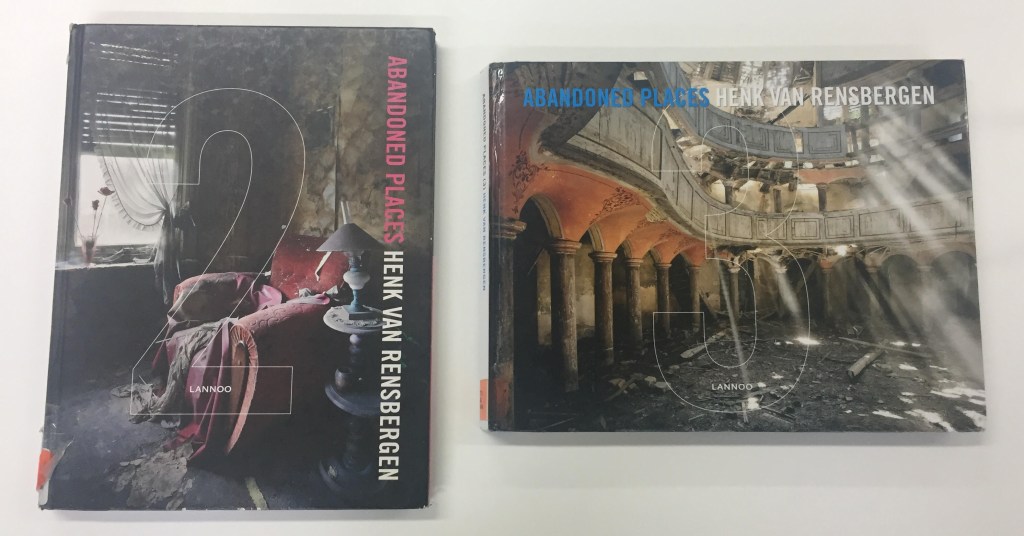
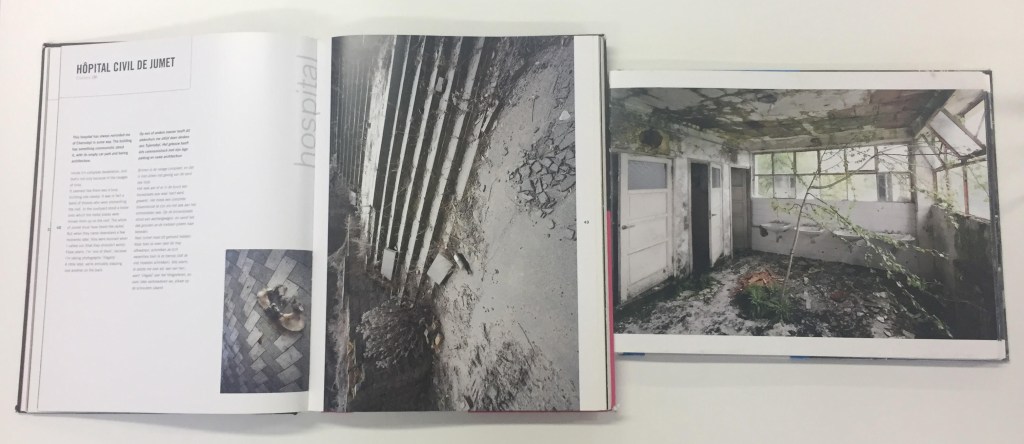
While looking at other books in the library, I stumbled across these books. They are by Henk Van Rensbergen, and called ‘Abandoned Places 2&3’. Henk van Rensbergen’s thoughts were, “why travel to far-off natural jungles, when there are far more interesting places in your own neighbourhood – abandoned places, just waiting to be explored. Van Rensbergen sets off, looking for abandoned hospitals, overgrown industrial complexes, or urban palaces, ravaged by the driving rain, overgrown with weeds, decorated with graffiti. The resulting photographs are unequalled – beauty meets decay.” (Rensbergen, 2010).Not all of the images inside the book are landscapes, but they represent the sense of anti-landscape, making the ugly, decay look fascinating and beautiful.
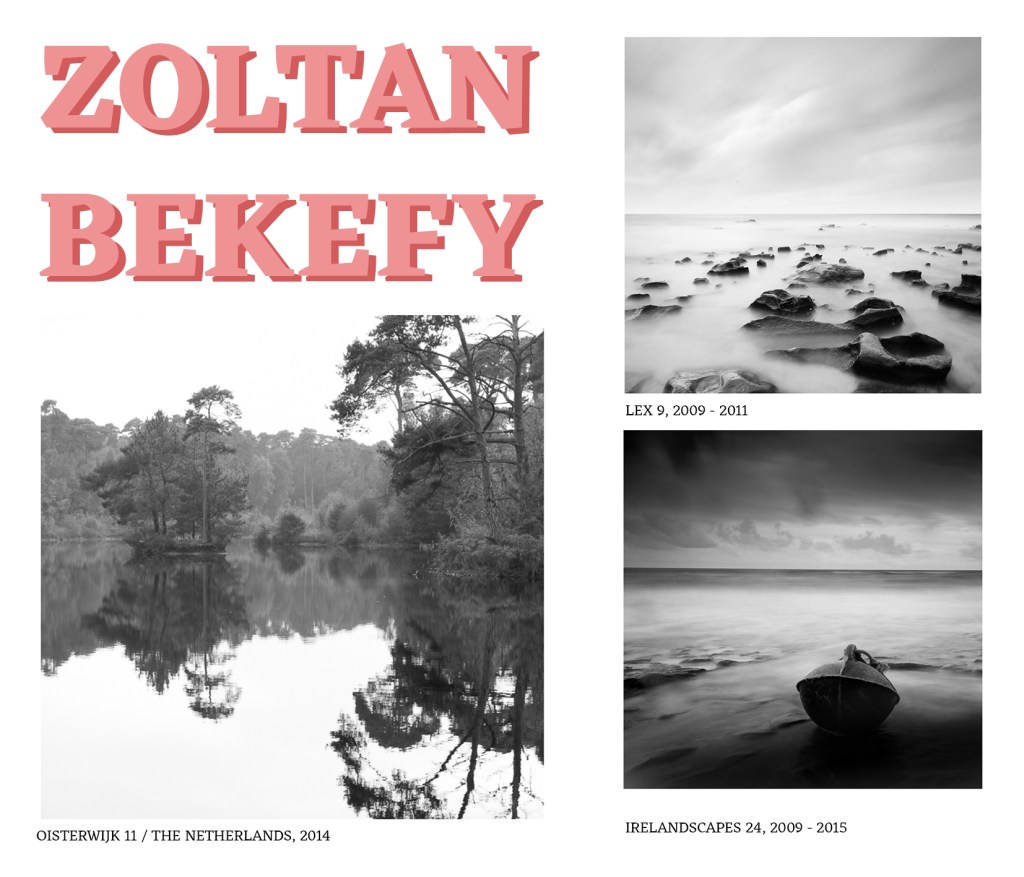
“Zoltan Bekefy is fascinated by the constant spectacle offered by nature. He has traveled the world with his camera in hand, striving to sublimate the landscapes that he discovers in the course of his unusual journeys. Capturing the essential, his work constitutes a silent report on the beauty of the world, in which simplicity, purity, and minimalism set the tone.”(Zoltanbekefy.com, n.d.)
Bekefy uses the simplicity of the environment around and produces a mood by creating images in black and white. Even though some of his other work is dark, because of these tones between the blacks & whites, it produces a calming ambience. Bekefy captures the perfect moments and transforms them into pieces of art, of the natural beauty that surrounds us.
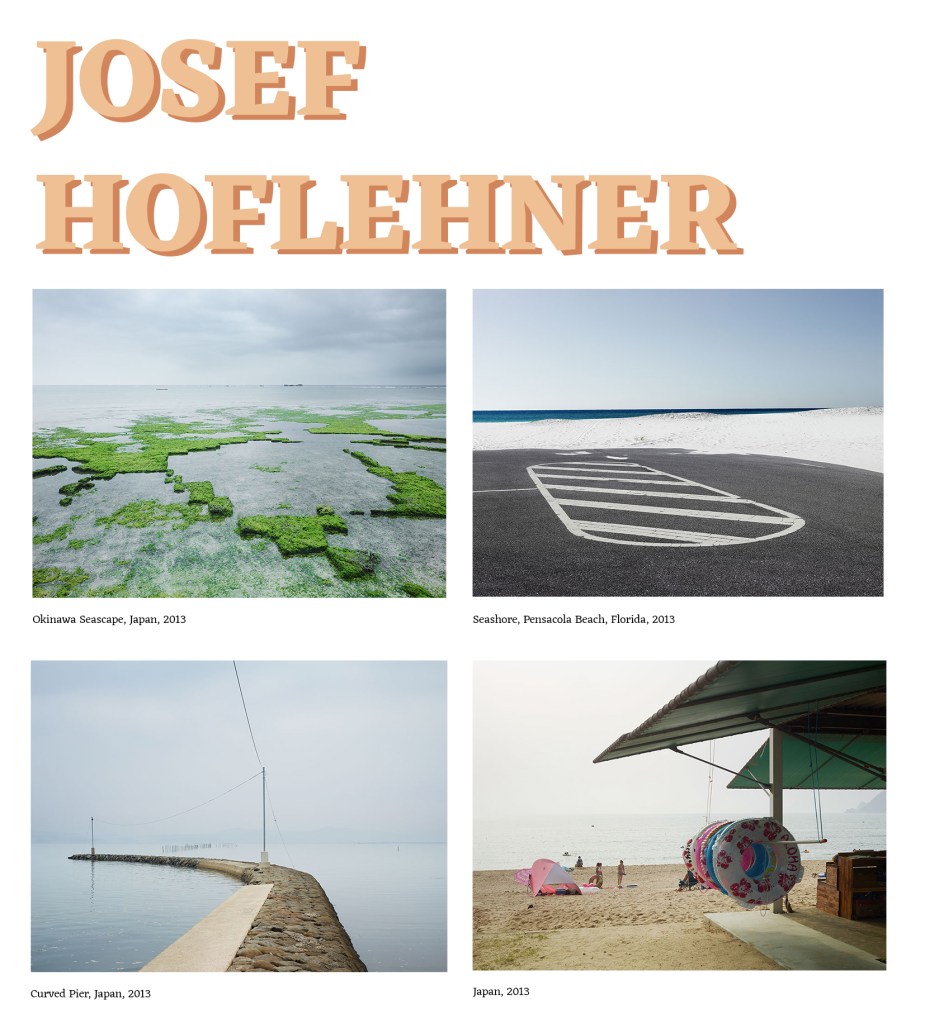
“Josef Hoflehner’s photographs of cities and landscapes are filled with silence and solitude. Working mostly in black-and-white, he emphasises the relationship between the natural and the man-made, placing figures or physical traces of human presence against vast, sometimes eerie emptiness.” “I like empty spaces,” Hoflehner has said. “I prefer bad weather. I love snow and ice … and trees. I mix up or change my style often. I like to experiment with focus and time.” (Artsy.net, n.d.)
To me, Hoflehner likes to wait for the perfect conditions to take a photograph. Whether this is about the weather, interactions, or waiting for people to go (to make the surrounding empty), I feel like time is the main element in his work. He also focuses on the simplicities of the environment around him, which in the end can produce more compelling images. From this, it can create formal elements such as lines, shapes, patterns, contrast etc.
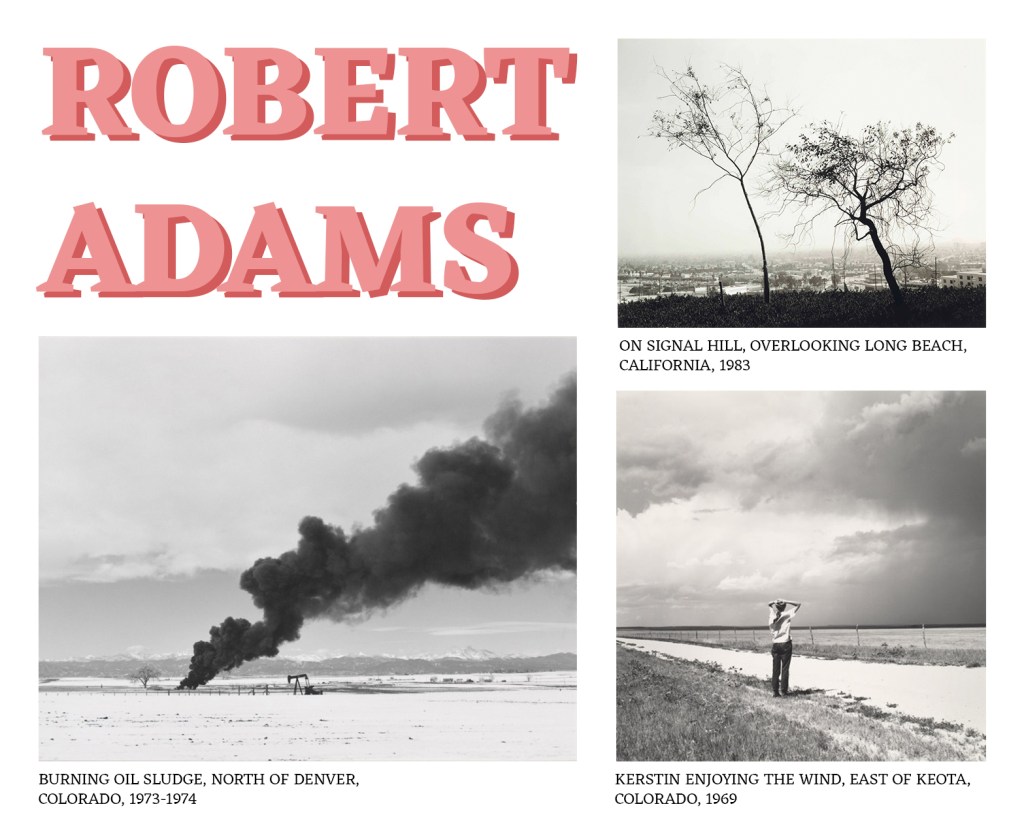
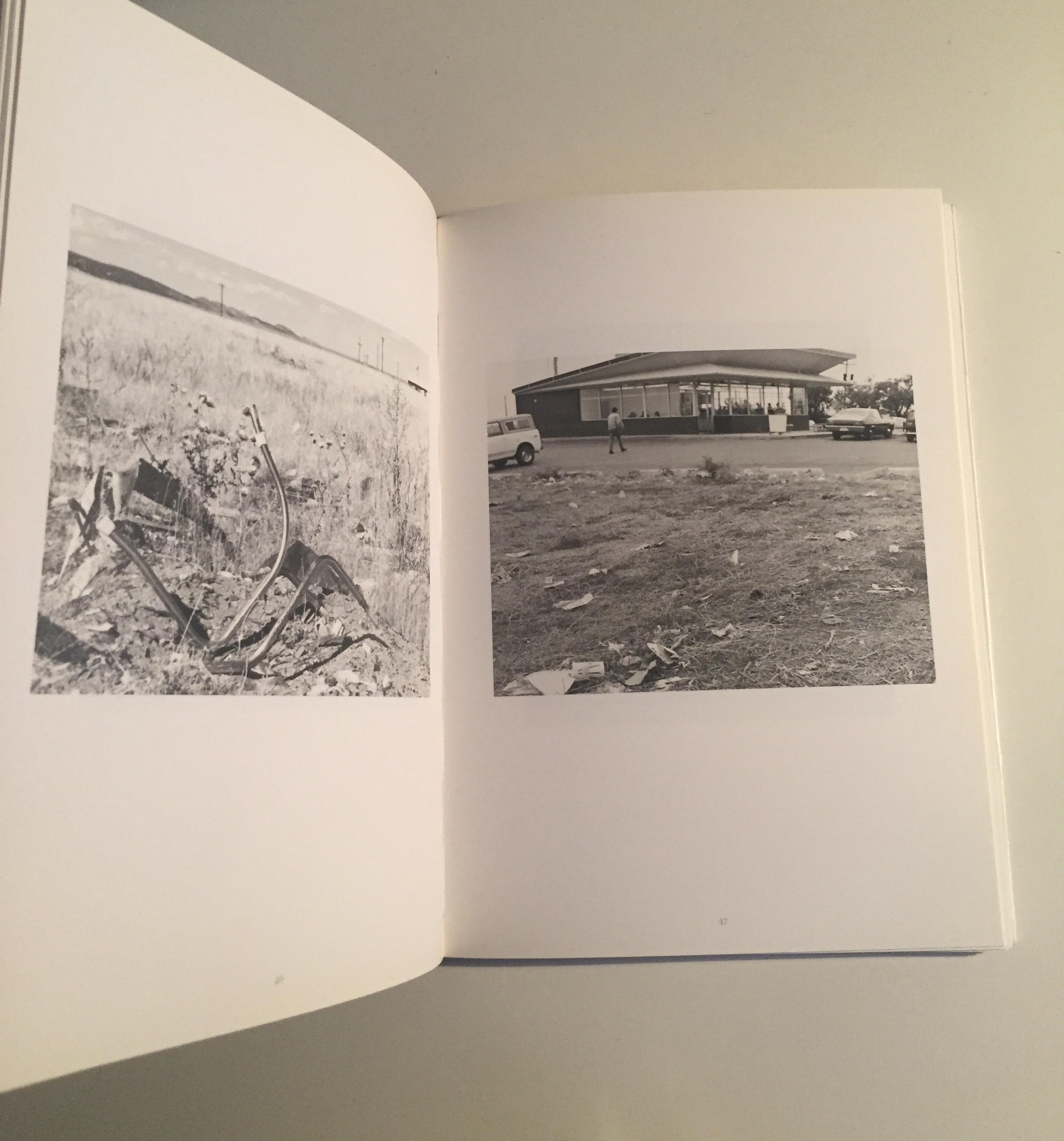
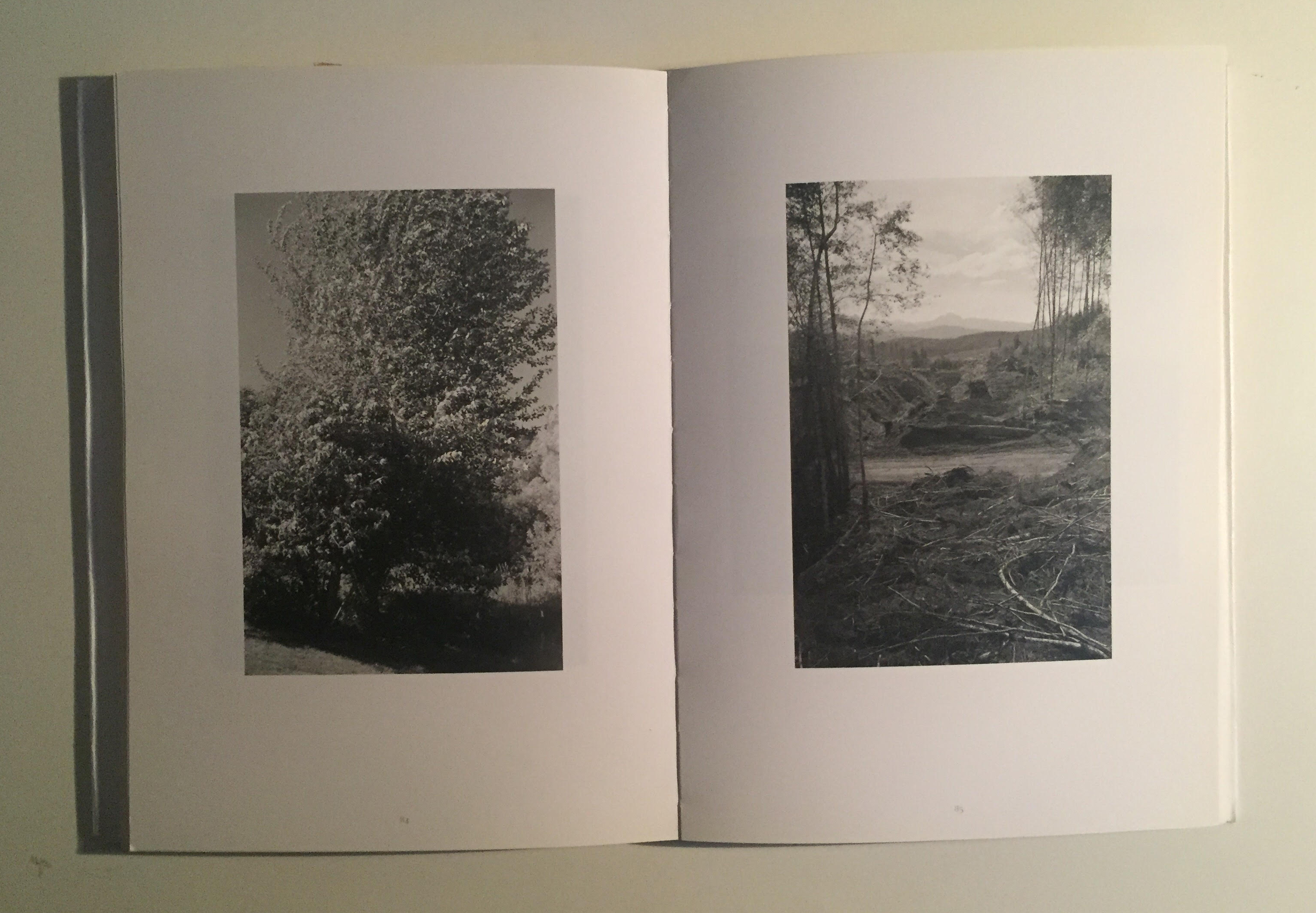
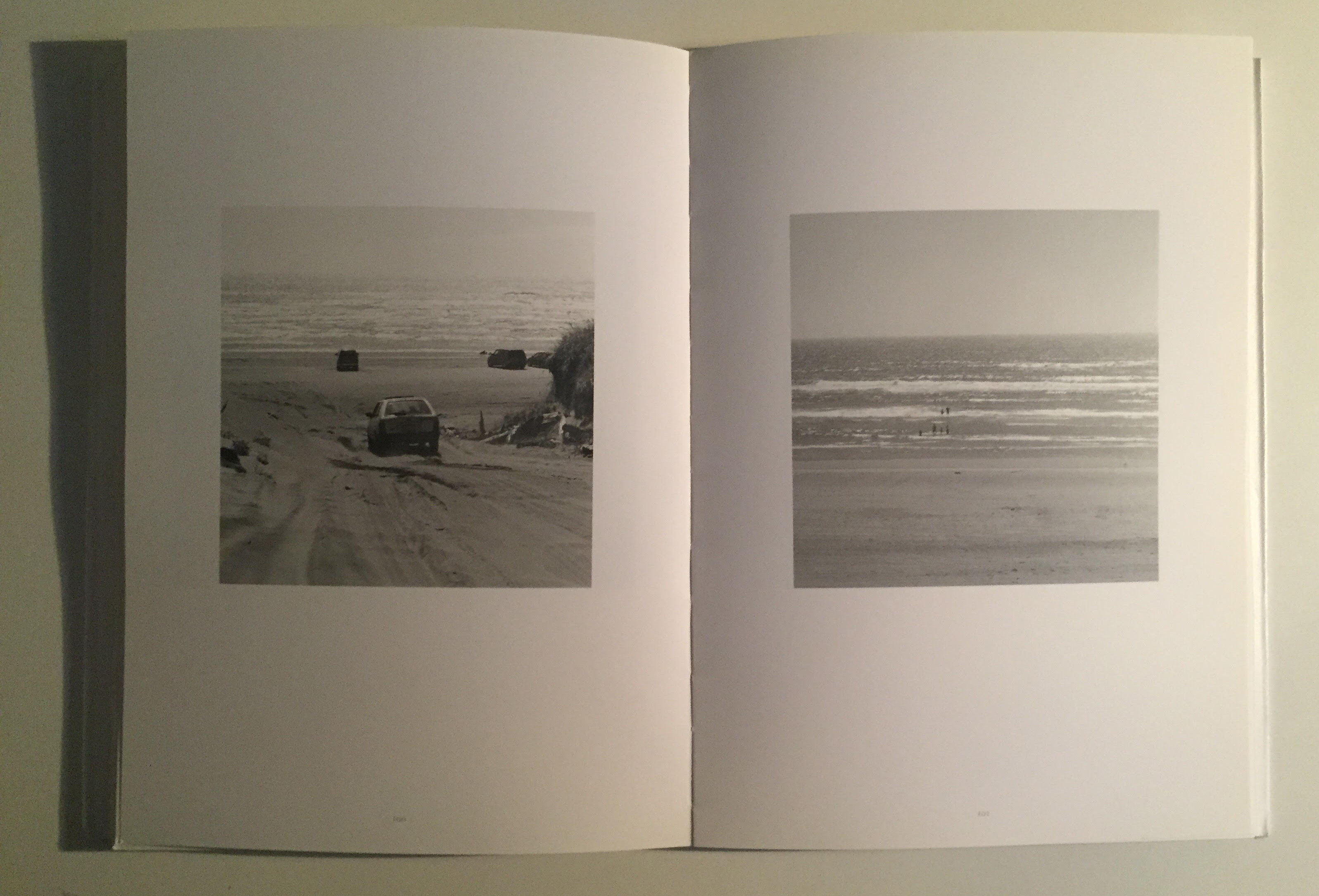
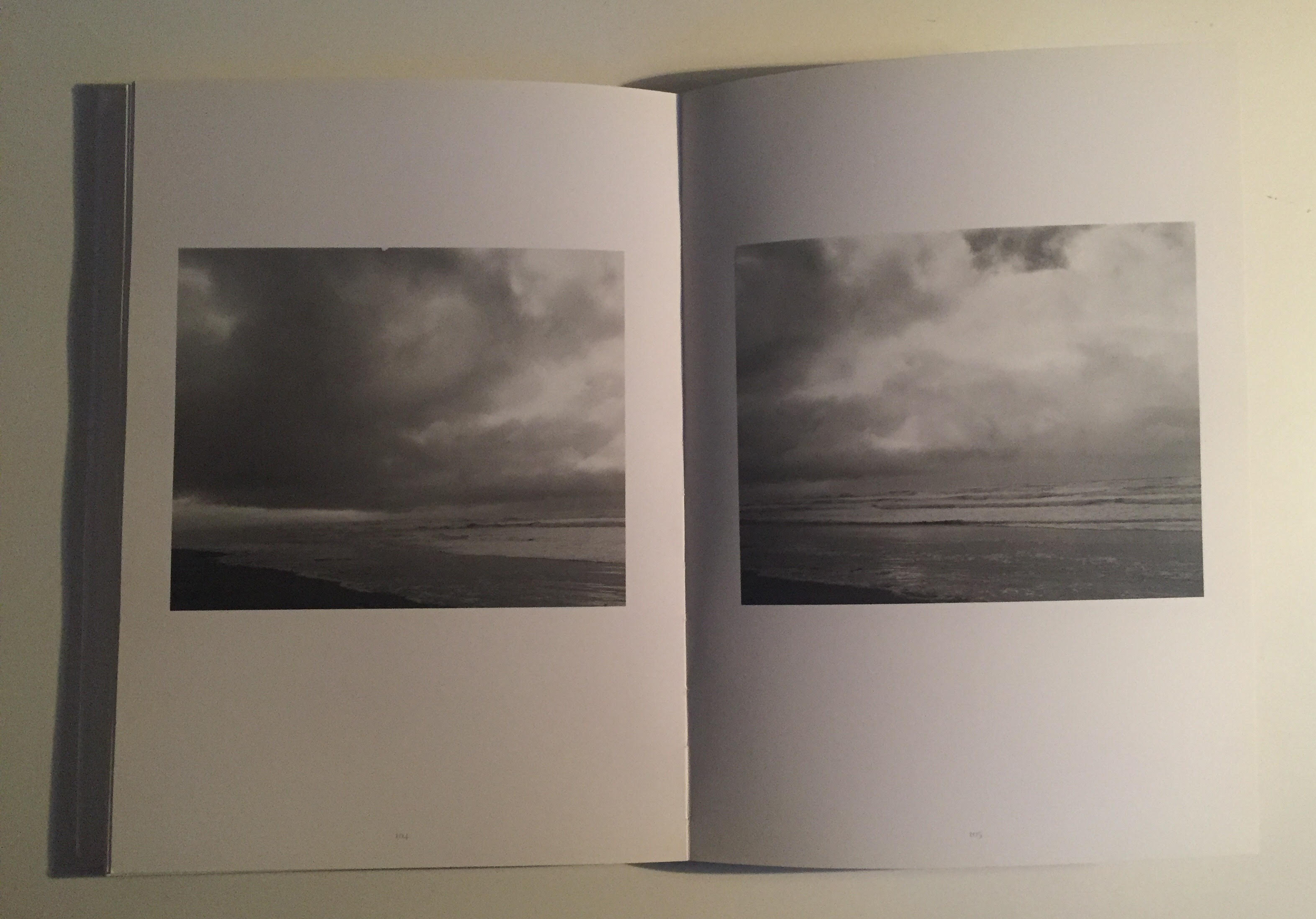
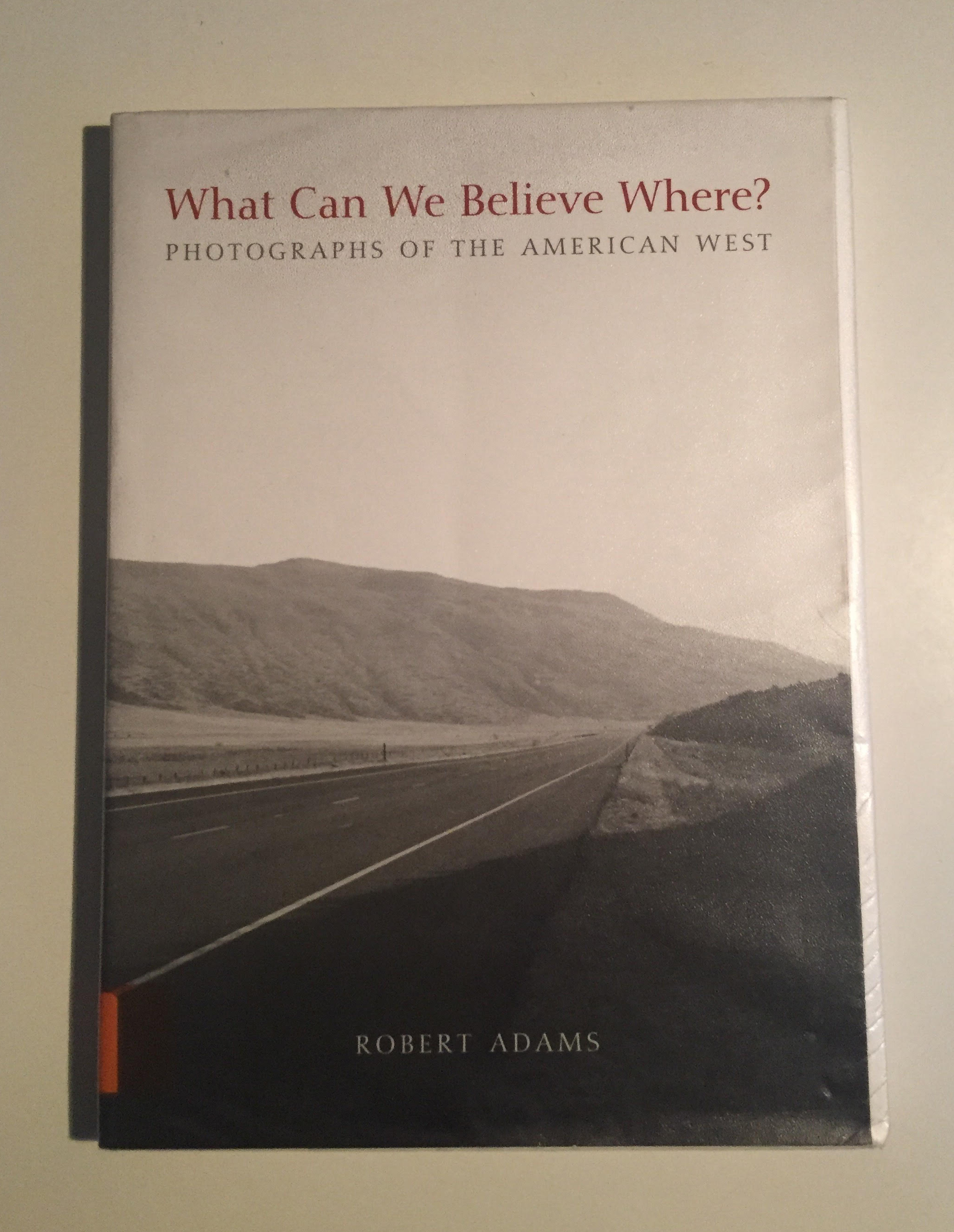
“Robert Adams is an American photographer who has focused on the changing landscape of the American West.” (En.wikipedia.org, n.d.) When Adams started to take landscape photography, he took inspiration from Ansel Adams. Robert Adams look for mountains and rivers and move out of the part of the country where it had poor air and suburban housing. But then he started to take pictures of roads and the development of houses.
The photograph ‘On Signal Hill, Overlooking Long Beach, California, 1983’ (above) admits that it was a happy accident, in Robert Adams words it –
“Capture both the resilience of nature and the isolation of nature often in Los Angeles. It’s got the full burden of mystery and damage.” (San Francisco Museum of Modern Art, 2019)
I feel that I can relate to this sentence, in which I didn’t want to take ordinary landscape photography, even though it is beautiful, I wanted to tell a story and make it intriguing for the viewer.
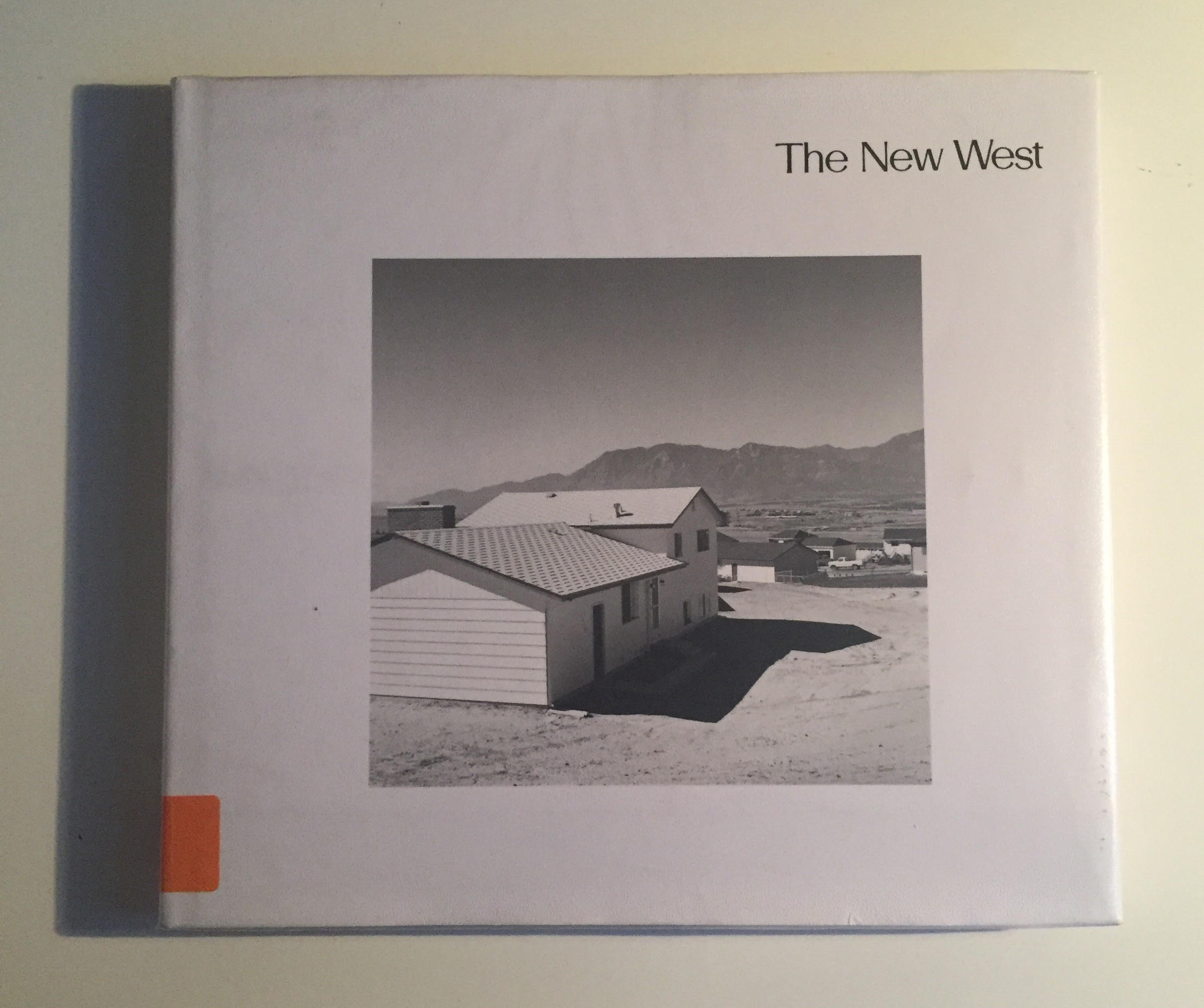
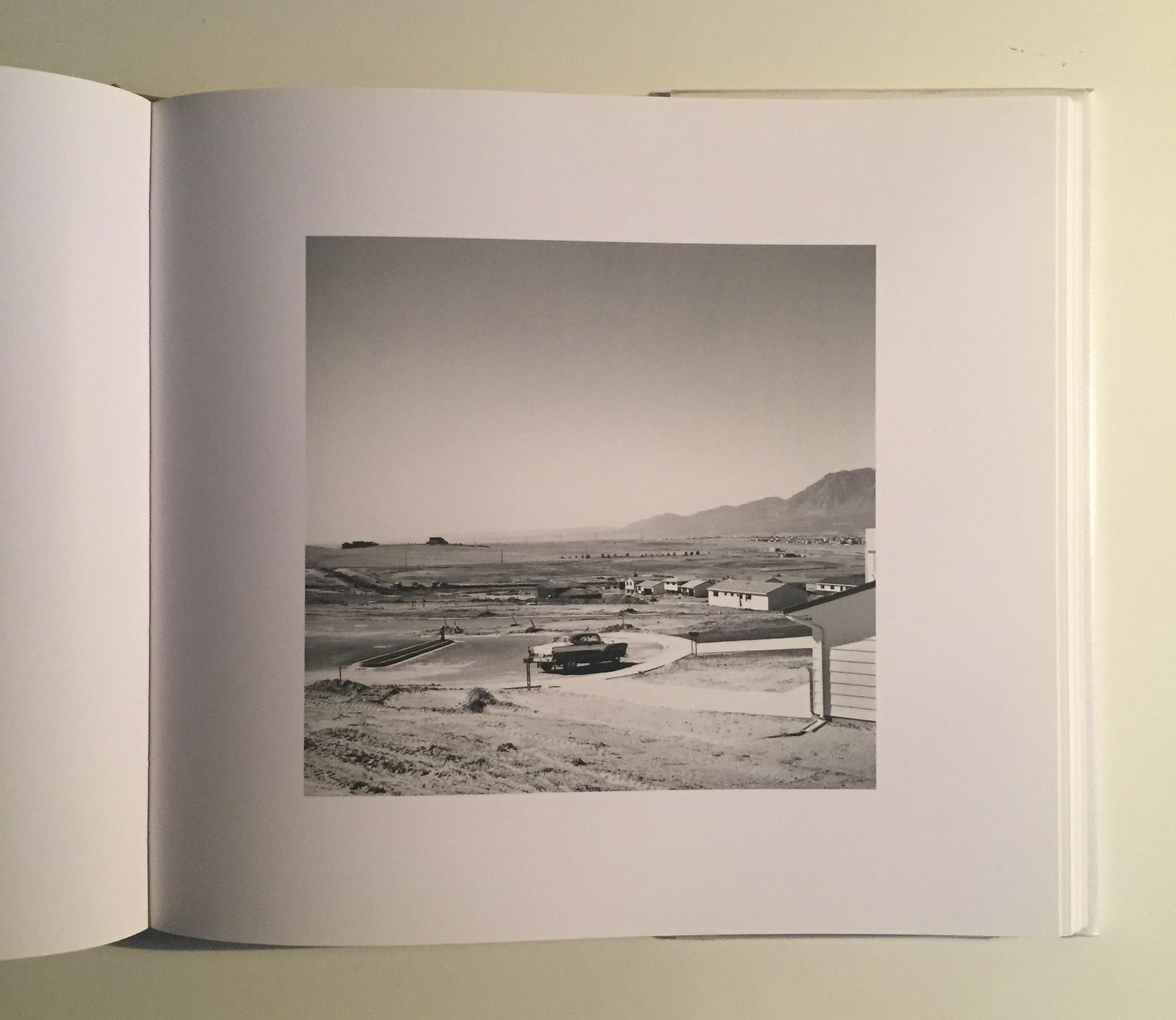
BOOKS BY ROBERT ADAMS THAT I RESEARCHED & TOOK INSPIRATION FROM
BIBLIOGRAPHY
Adams, R. (1974). The new West.
Adams, R. (2010). What can we believe where?. New Haven, CT: Yale University Art Gallery.
Artsy.net. (n.d.). Josef Hoflehner – 163 Artworks, Bio & Shows on Artsy. [online] Available at: https://www.artsy.net/artist/josef-hoflehner [Accessed 8 Nov. 2019].
B, Ross, A. (2014). David E. Nye and Sarah Elkind (eds.), The Anti-Landscape. [ebook] Available at: https://www.academia.edu/27536764/Review_of_the_Anti-Landscape [Accessed 14 Nov. 2019].
Davies, J. (2006). John Davies – The British landscape. London: Chris Boot.
En.wikipedia.org. (n.d.). Robert Adams (photographer). [online] Available at: https://en.wikipedia.org/wiki/Robert_Adams_(photographer) [Accessed 8 Nov. 2019].
Giblett, R. and Tolonen, J. (n.d.). Photography and Landscape.
Josefhoflehner.com. (n.d.). Josef Hoflehner. [online] Available at: https://josefhoflehner.com/ [Accessed 8 Nov. 2019].
Nye, D. and Elkind, S. (2014). The anti-landscape.
Rensbergen, H. (2010). Abandoned places 2. Uitg. Lannoo N.V.
Rensbergen, H. (2013). Abandoned places 3. Uitg. Lannoo N.V.
San Francisco Museum of Modern Art (2019). Robert Adams: Photographing a “landscape of mistakes”. Available at: https://www.youtube.com/watch?v=XuhxlLv_f2k [Accessed 8 Nov. 2019].
Zoltanbekefy.com. (n.d.). About award winning fine art photographer / Zoltan Bekefy Photography. [online] Available at: https://www.zoltanbekefy.com/about.html [Accessed 8 Nov. 2019].
 SARAHLOCKYERUCA