WHAT IS MULTIPLE EXPOSURE?
“A double exposure is a combination of two images into one where one image is overlaid onto another at less than full opacity. This is done with artistic intent (unless you’re shooting film and forgot to wind it between shots, but still you might get a serendipitously happy accident.) This can be done in-camera or in post processing. In film photography, double exposures are made by exposing the same portion of film twice, resulting in an the second image being superimposed on the first. In digital photography, double exposures can be made in-camera in some cases when it’s available as a creative effect in a body, in photoshop, or in apps designed specifically to make digital double exposures.” (SLR Lounge, n.d.)
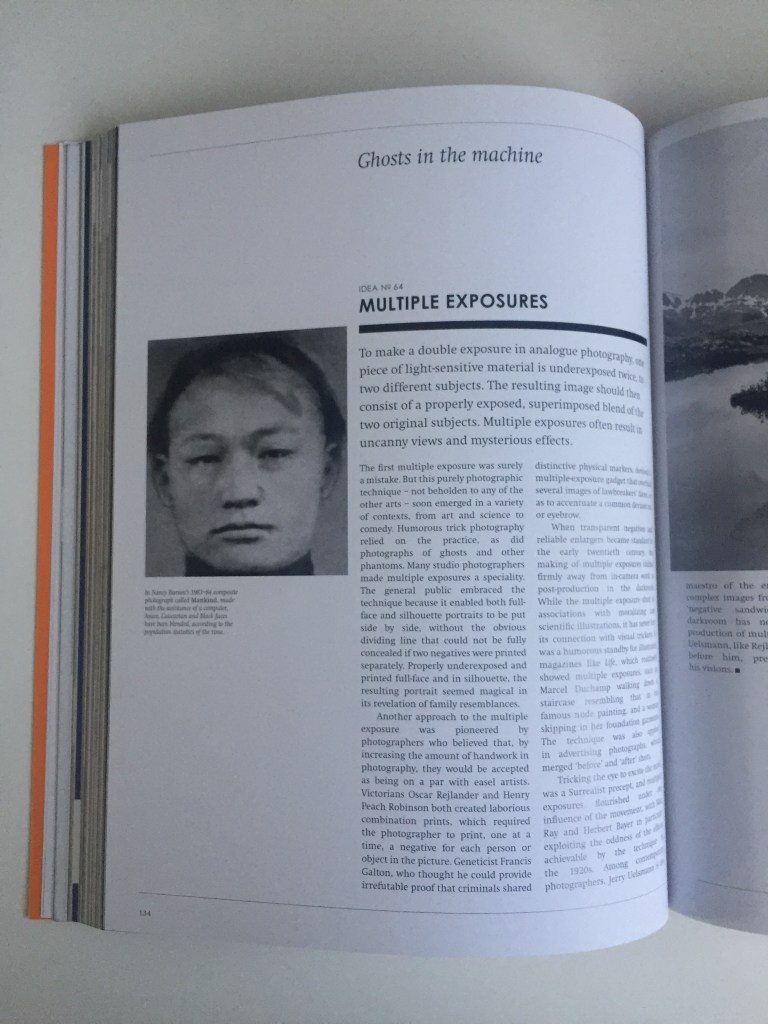
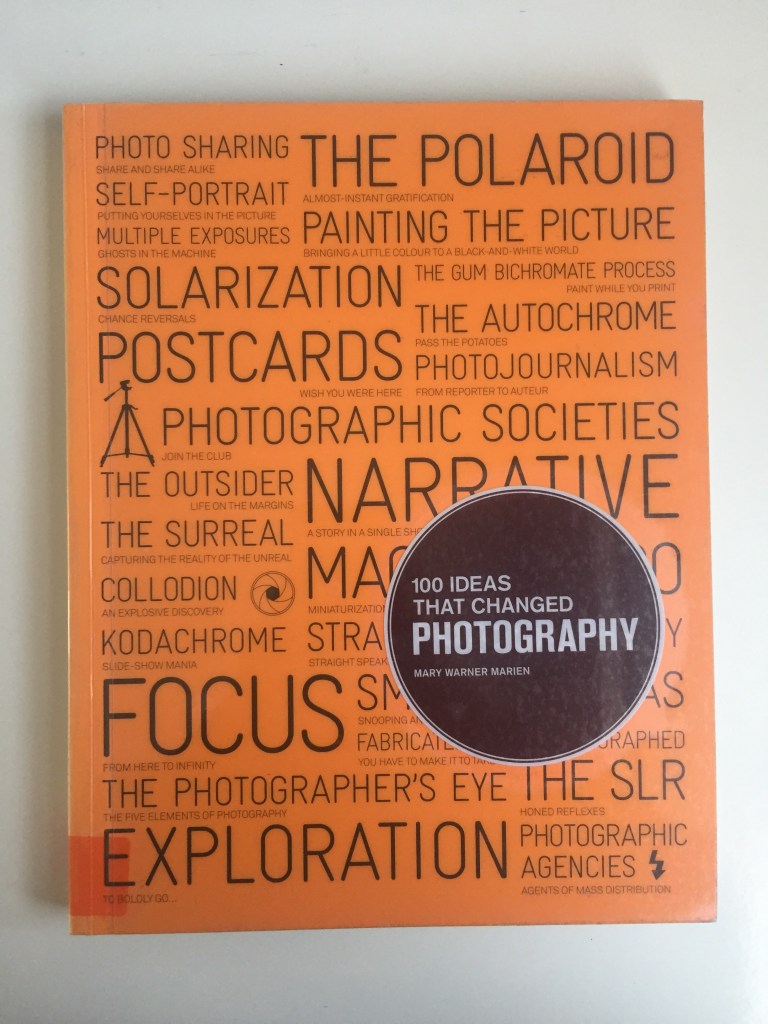
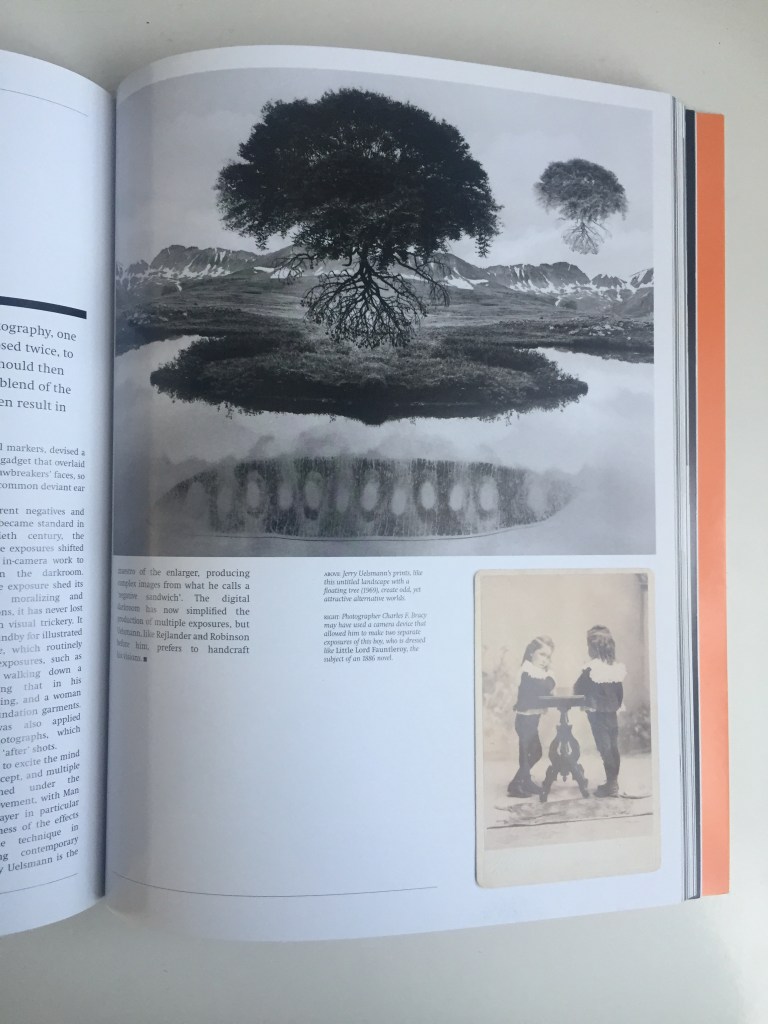
In the book above it talks about the authors experience and techniques she used in order to produce analogue multiple exposures and talking about how other people approach this method.
OTHER WAYS THAT CAN DISTORT OTHER PEOPLES PERSPECTIVE
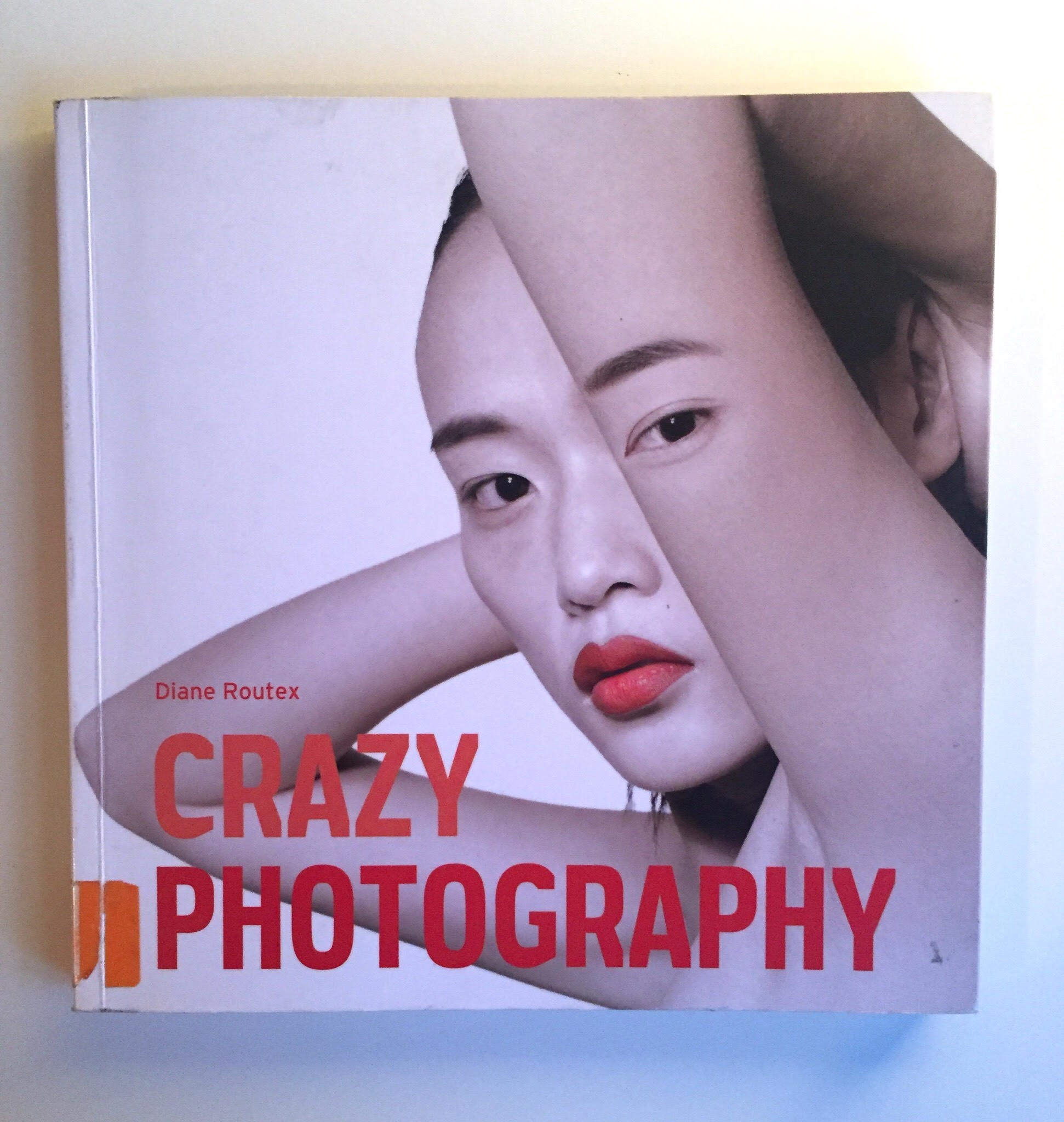
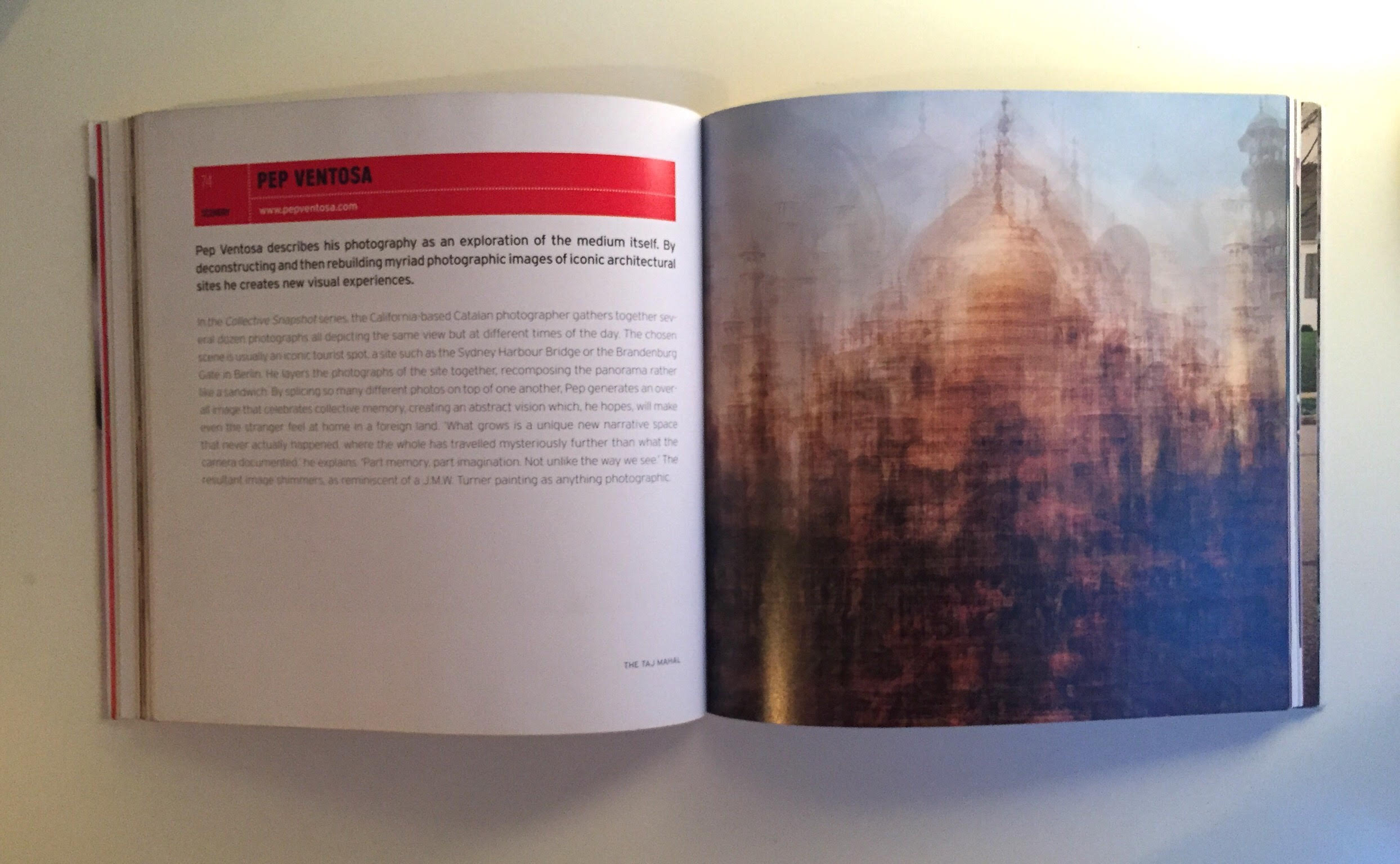
The first book I looked at was Crazy Photography, on page 74/75 Pep Ventosa uses the technique of layering multiple images over each other, each image having a low opacity. Even though this is not what I’m exactly doing, it has the same principle – multiples exposures, layering, opacity. By doing this he has created new texture, colours, shapes and a new building.
“Pep Ventosa describes his photography as an exploration of the medium itself. By deconstructing and then rebuilding myriad photographic images of iconic architectural sites he creates new visual experiences.” (Routex, 2012)
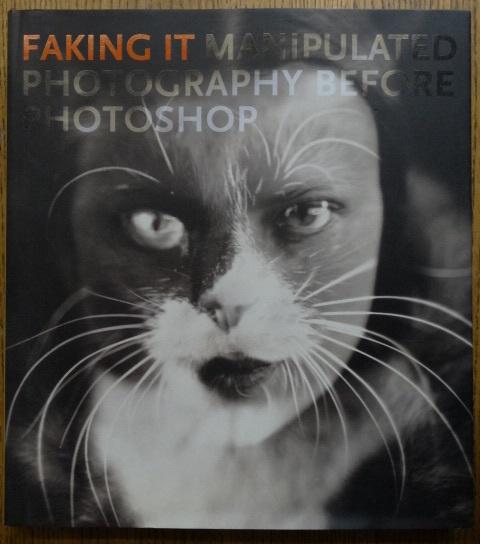
The second book I looked at was Faking It Manipulated Photography Before Photoshop. Fineman demonstrates that today’s digitally manipulated images originate from the earliest years of photography, encompassing methods as diverse as overpainting, multiple exposure, negative retouching, combination printing, and photomontage. She shows photography to be an inspired blend of fabricated truths and artful falsehoods.
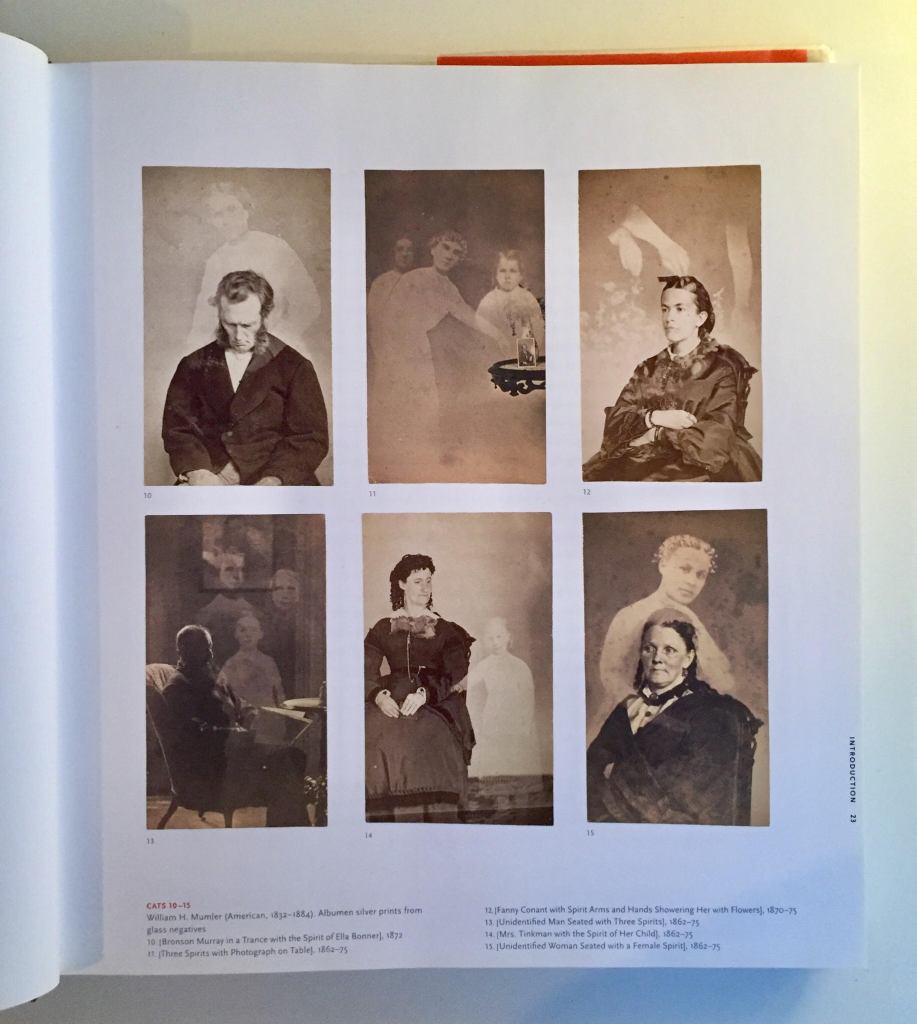
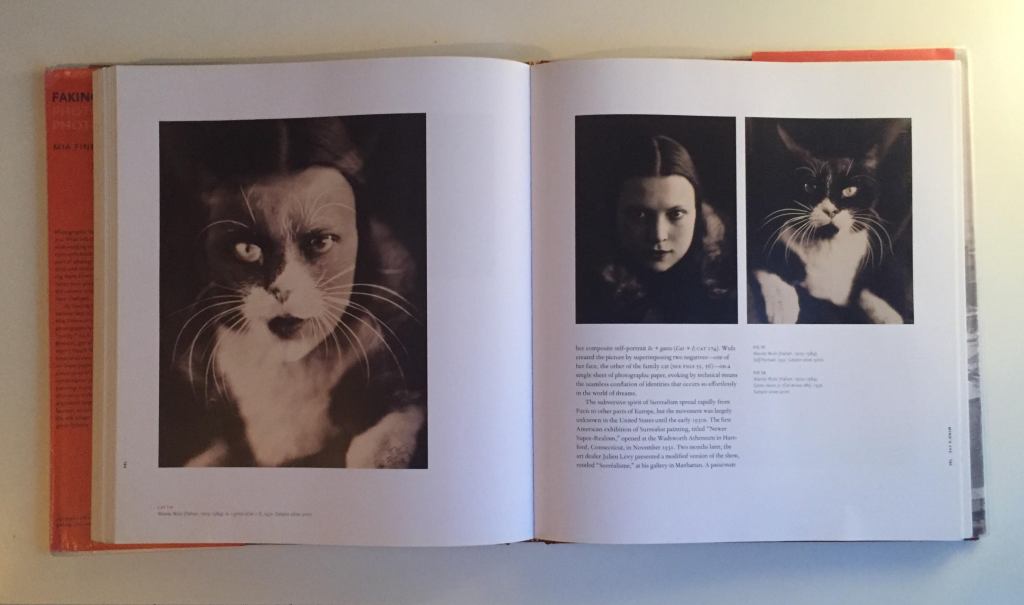
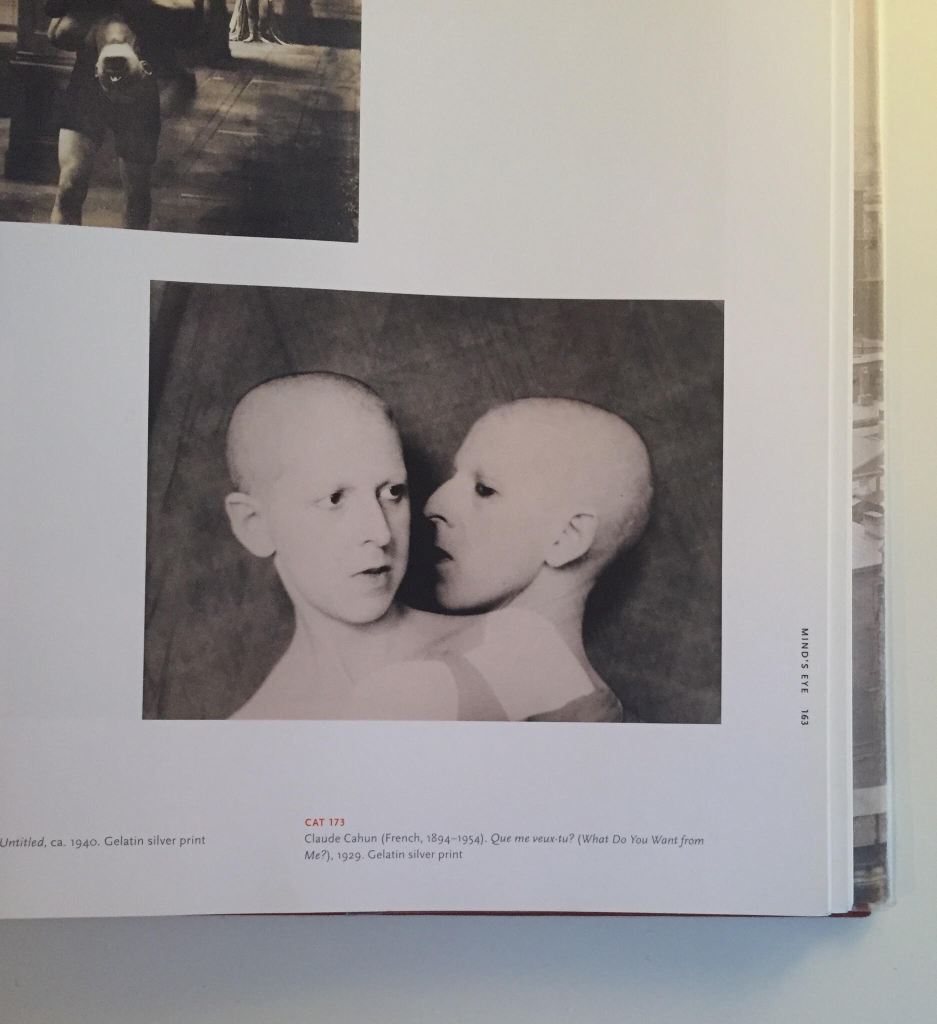
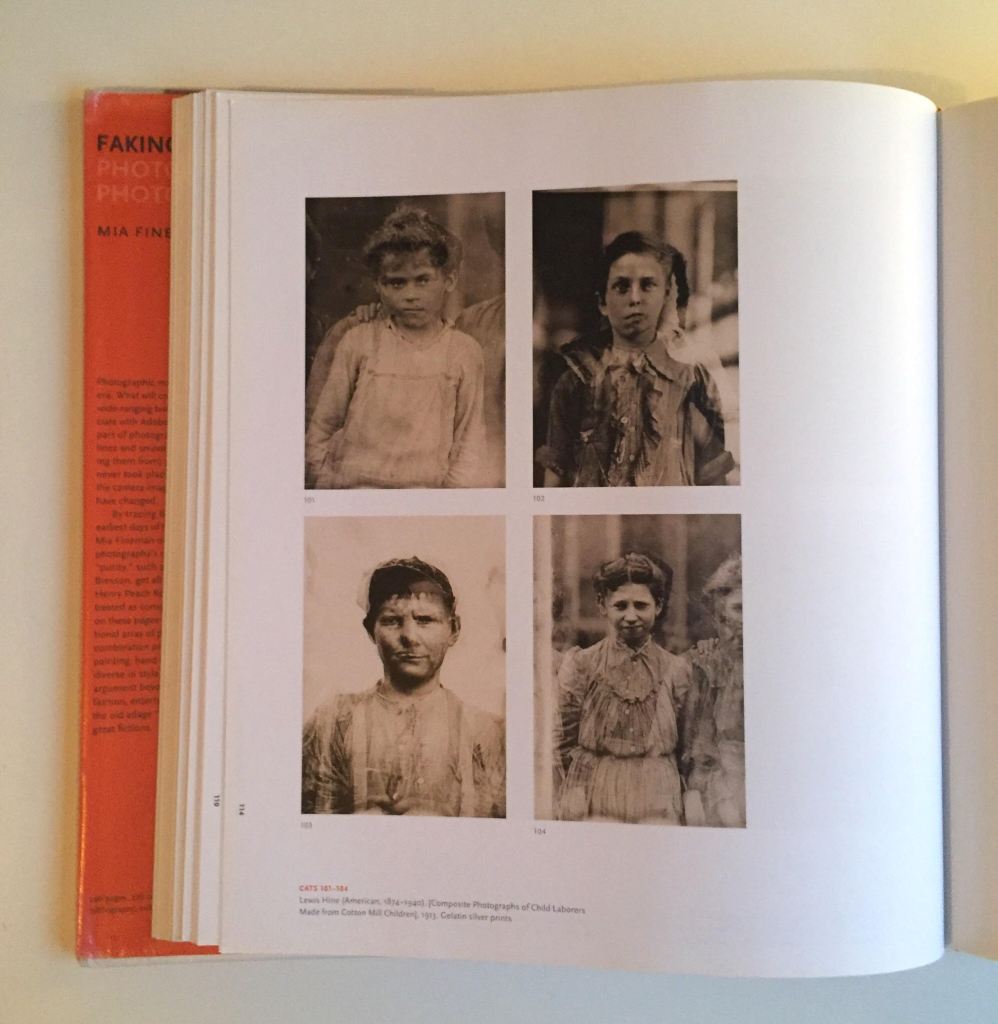
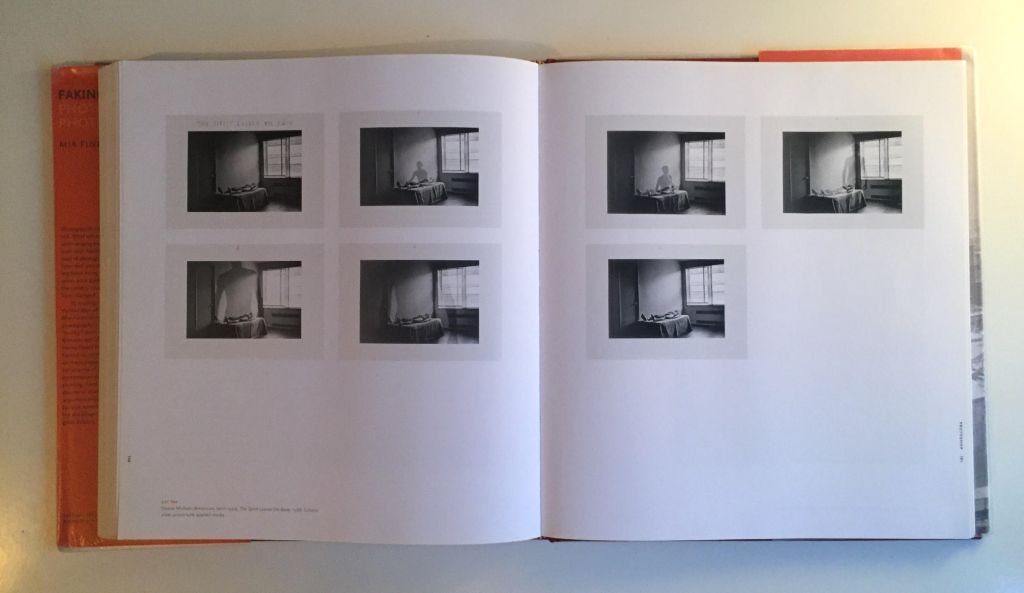
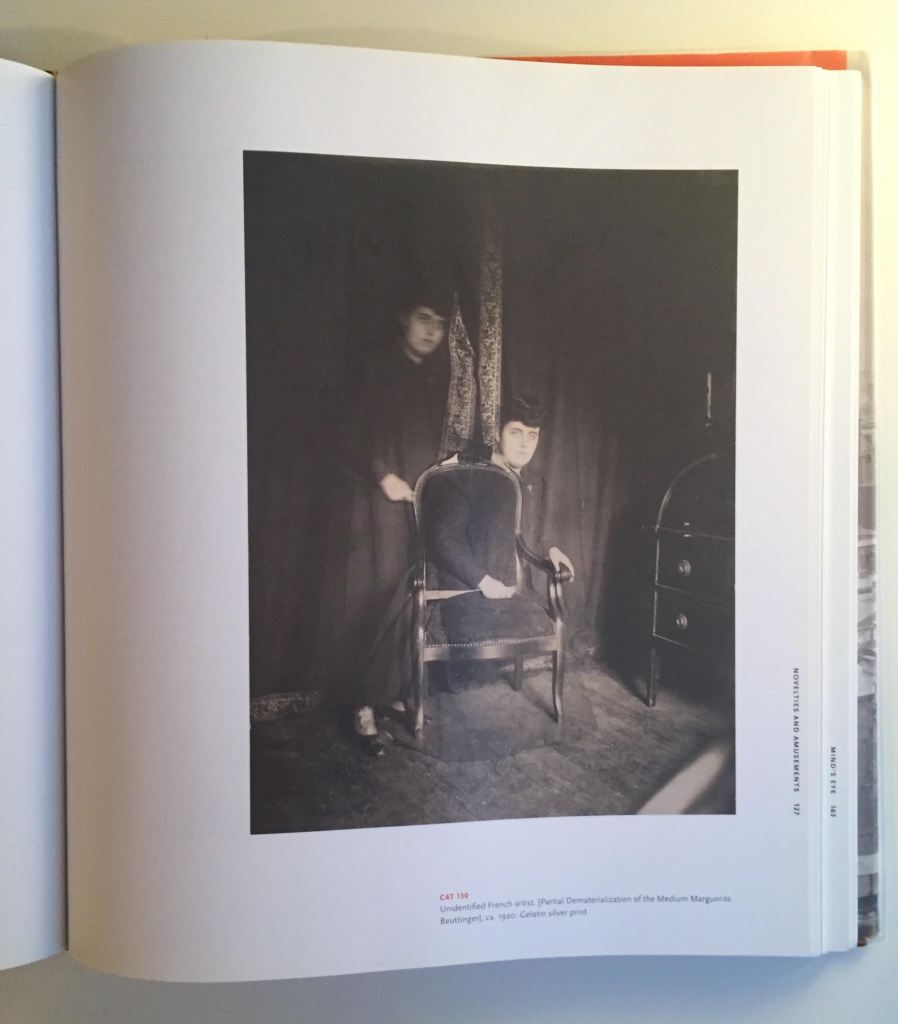
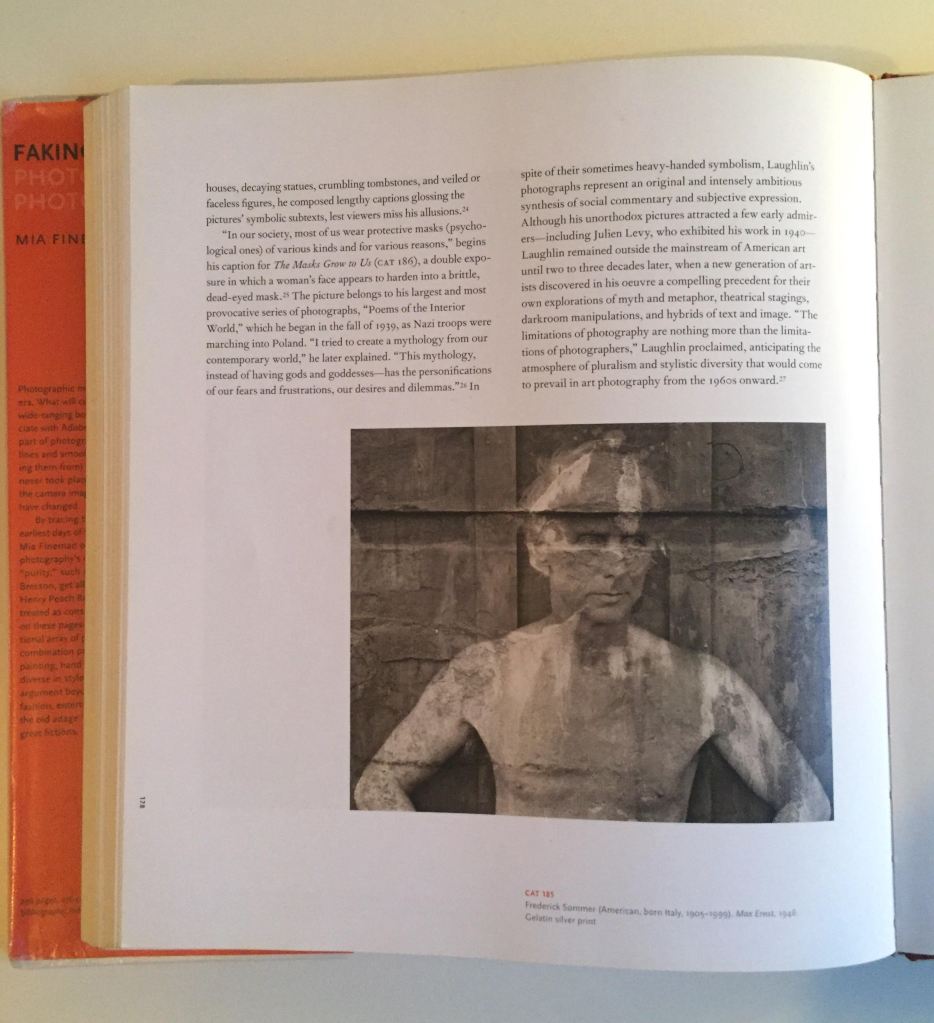
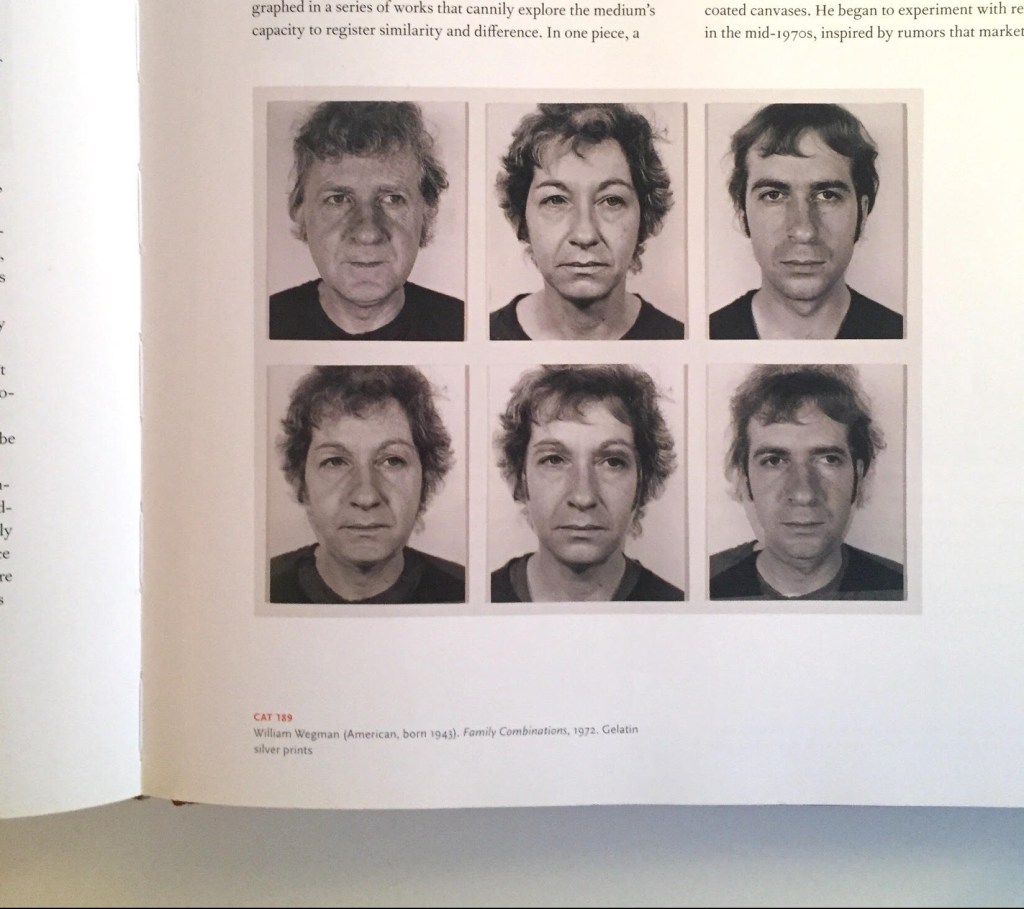
It’s exciting to see different artist take and perspective with this technique. This book was fascinating to look and read. It is full of impressive work, and at the back of the book, it defines how each image was made. For me, that is useful, because sometimes you wonder how they do put the image together or what other techniques they use.
The image where there are four children is by American photographer Lewis Hine, and is a composite photographs of child labourers made from Cotton Mill Children, 1913. “From 1908 to 1918 Lewis Hine photographed working children for the National Child Labour Committee (NCLC). His heartrending photographs of tiny, malnourished human beings engulfed by enormous machines were published in newspapers and freestanding posters and influenced the passage of several laws”. “Hine created each image by rephotographing several individuals portraits of children on a single plate; the result was a series of Frankensteinesque amalgams that barely disguise the disparity of their parts… composite photographs were used mainly to generate the average or typical appearance of a social type whether healthy or degenerate. Yet Hine’s composites show little concern for physical similarities. In one image, he went so far as to combine a photograph of a young boy who worked as a doffer with one of an adolescent girl deformed”. These images became “posters for the ‘NCLC’ with titles such as ‘Making Human Junk: Shall Industry Be Allowed To Put This Cost On Society?” (Fineman, 2012)
Claude Cahun is “openly grappled with her gender identity for the greater part of her life ad artistic career.” Her image above of the two baldish heads is her image called ‘What Do You Want From Me?’, 1929. Nevertheless, Cahun’s experimental photography and personal eccentricity resounded with the Surrealist taste for odd juxtapositions and unorthodox sexuality, and she remains one of the movement’s foremost figures. Doubling, especially of the eyes, lips, or head, is a recurring device in surrealist photography. Like her shaved head and unusual wardrobe, the doubled self was one of Cahun’s strategies for representing her struggle to come to terms with her own narcissism. This self-portrait exudes an almost erotic charge: the two Cahuns look in on each other like Siamese twins, or the dueling heads of a monster. The title of the work demands an elusive answer not only from the viewer but also from one Cahun to the other: ‘ What do you want from me?” (Fineman, 2012)
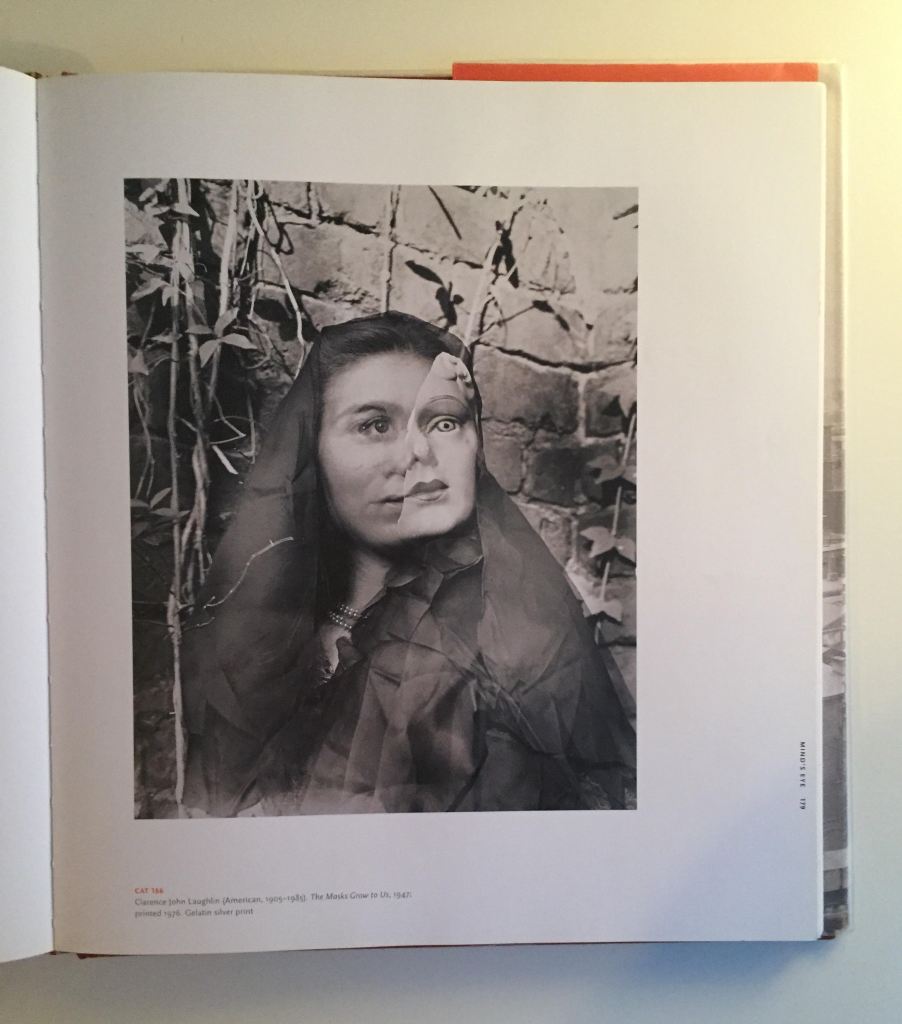
Clarence John Laughlin wanted “to be a writer himself but having failed to attract a publisher for his literary work, Laughlin turned to photography at the age of twenty-five.” The image of the women at the bottom left is Laughlin’s. “He found the technique of multiple exposure to be a fitting vehicle for his interest in signs, subtexts, and the commingling of visual and intuitive realities. In ‘The Masks Grow To Us, a young woman wearing a pearl necklace gazes upward while part of her face hardens into a glossy mask. As the exposures of the woman and the mask meld on a single negative, photographic process and allegory become one. ” (Fineman, 2012)
Laughlin wrote, “In our society, most of us wear protective masks (psychological ones) of various kinds and for various reasons. Very often the end result is that the mask grown to us, displacing our original characters with our assumed characters. This process is indicated in visual, and symbolic, terms here by several exposures on one negative – the disturbing factor being that the mask is like the girl herself, grown harder and more superficial.”
HOW DO YOU PRODUCE A MULTIPLE EXPOSURE IMAGE?
MAKE SURE YOU HAVE THE RIGHT EQUIPMENT
Not all DSLRs cameras have a multiple exposure setting; fortunately, my camera does. “Depending on what you’re trying to achieve, a tripod, a shutter release cable, a flash and plain white or black background (it could be a muslin backdrop or that empty wall in your apartment) might come in handy, too!” (CanonUSA, 2016)
KNOW YOUR CAMERA’S MULTIPLE EXPOSURE FEATURE
“While shooting double exposures is essentially just shooting two images in a single frame, different cameras handle this process differently. So, it’s important to familiarize yourself with how your camera’s multiple exposure function works. Read the manual and practice the process, if need be, before you go out and shoot.” (CanonUSA, 2016)
However, some Canon cameras allow you to take two or more exposures in one image, offering users more flexibility.
UNDERSTANDING AND SHOOTING DOUBLE EXPOSURES
“Now, before you start shooting, it’s important to understand how double exposures actually work. In the days of film, taking multiple shots in a single image usually involved snapping one frame, rolling back the film and taking another snapshot to overlay the original. In today’s digital age, we’re still overlapping images, but instead of re-exposing film, it’s simply a matter of blending data and pixels.
Technically, shooting double exposures with your digital camera is easy. Simply set your camera to Multiple Exposure mode, shoot your first layer (or select one from your camera’s memory card, if permitted), then shoot your second layer, and you’ve got your double exposure. The hardest part comes when you’re choosing, framing and positioning your two shots so that they blend well together into one image.
The first exposure or layer of your image serves as the base layer upon which elements of the second frame will blend into. The second layer is just as important as your base, and, in many ways, it can be the hardest layer to shoot. Sure, you can just randomly pick a subject, point and shoot, and hope for the best. But picking a great subject or scene, and working with your camera’s angles so that it fits perfectly and complements (or provides a striking contrast to) the base layer will yield much better results.” (CanonUSA, 2016)
DARK VS BRIGHT
“Darker subjects or scenes will blend more easily, while brighter or lighter subjects may blow out some details in your double exposure.
This is why silhouettes are fantastic for double exposures, as are busy urban scenes or colorful graffiti and street art. A sunny sky or an overly bright landscape as your base photo, on the other hand, might produce a washed out image. In fact, many photographers prefer to shoot darker scenes first and lighter scenes second.” (CanonUSA, 2016)
CHOOSE YOUR BASE EXPOSURE CAREFULLY
“As previously mentioned, many photographers (film or digital) who have mastered the art of double exposure tend to use a darker subject or scene as their base or first exposure. But this not a rule of thumb. In fact, your base exposure really depends on the image you are trying to create.
For double exposures that show movement or ghostly apparitions, you’re more likely to use the same scene for the both layers. The only difference is, when shooting the second layer, you’ll have your subject move out the frame or to a different position to get that translucent, ghost-like appearance. (A tripod is recommended for this type of photo).” (CanonUSA, 2016)
VIDEOS THAT WERE USEFUL
The video explains how particular environments can affect the overall image dramatically. And also what the different settings within the camera can change the look for what you are after. Even though most of the images produced in this video aren’t the concept I was going for, it was useful to learn the techniques and understand the different setting, so I am prepared for the upcoming shoots.
BIBLIOGRAPHY
CanonUSA (2016). Multiple Exposure Shooting. Available at: https://www.youtube.com/watch?v=KSTWPFnX1IU [Accessed 30 Dec. 2019].
Fineman, M. (2012). Faking It Manipulation Photography Before Photoshop. New York: Metropolitan Museum of Art, pp.23, 114, 127, 163, 164, 165, 178, 179, 185, 190, 191, 233, 247, 251.
Marien, M. (2012). 100 ideas that changed photography. London: Laurence King, pp.134, 135.
Routex, D. (2012). Crazy Photography. [Erscheinungsort nicht ermittelbar]: Vivays Publ., p.74.
Uy, M. (2015). How to take double exposure pictures in your camera. [online] TechRadar. Available at: https://www.techradar.com/uk/how-to/photography-video-capture/cameras/how-to-take-double-exposure-pictures-in-camera-1301761 [Accessed 29 Dec. 2019].
 SARAHLOCKYERUCA