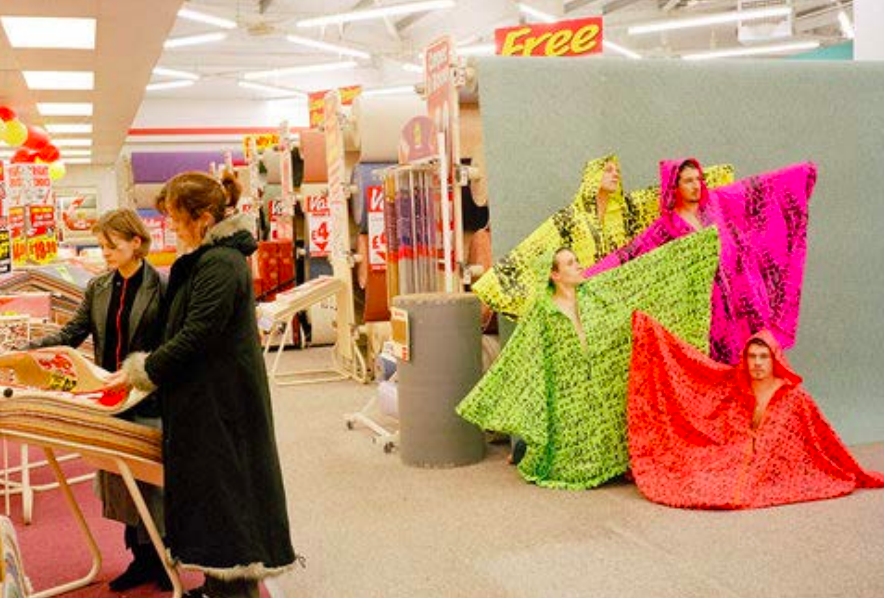
JASON EVANS – SMASH BABYLON MIND CONTROL , i-D, 2005
CONTRAST, ABSTRACT, FASHION, CULTURE, BRIGHT
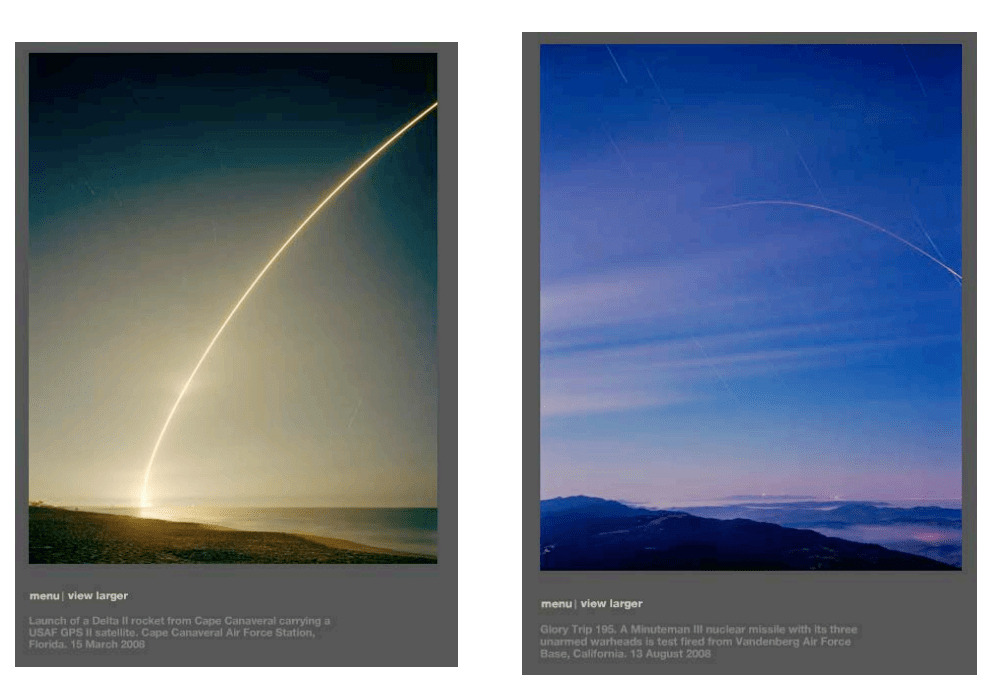
SIMON NORFOLK – FROM SERIES FULL SPECTRUM DOMINANCE: MISSILES, ROCKETS, SATELLITES IN AMERICA, 2008
NATURAL, SOFT, BEAUTIFUL, REALITY, DANGEROUS
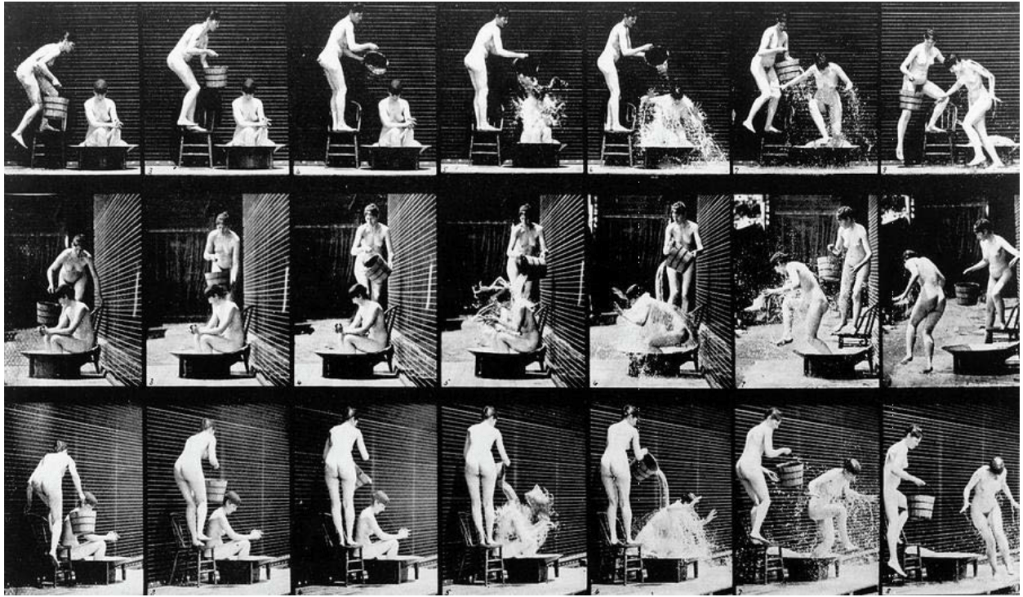
EDWEARD MUYBRIDGE
TIMELASPE, 180 DEGREES, PORNOGRAPHY?, REACTION
CHOSEN PHOTOGRAPH
Simon Norfolk has produced beautiful images, but they are not, because of the missile. Looking at these images the missile reminds me of shooting stars, especially with the dreamy coloured environment surrounding. At the time he took these images, it makes the sky and atmosphere look soft and calming for the audience. In reality, the ‘shooting star’ is a missile being launch. Simon has documented something as destructive, harmful, and dangerous look beautiful. He has made them look otherworldly like they are not supposed to be from this earth. It is an art piece of time.
The missile curve path, produces the leading line of the image, wondering where is this line leading to or is it going up in the sky further? As there is lots of negative space in this image, the line also breaks it up, giving the image more depth. The image itself is a juxtaposition, from the deadly missile and the peaceful environment surrounding it. I believe that Simon wanted to document this moment, showing what a missile can do to this beautiful earth, we live on, and why would we want to destroy it.
CHOSEN QUOTE
Steve Edwards:
“when we look at photographs we realise that the
image before us is tied to the thing it represents. Truth claims attached to
photographs largely turn on this recognition”
Photography: A Very Short Introduction, 84
Through
every photograph taken, there is always a reason or meaning behind it. I relate
to this quote because of the sense of representation. There are many ways to
represent a photograph, such as messages can be embedded through to the
audience, capturing reality, and genres etc. This representation behind the
image can help get the recognition of a photograph it needs, perhaps to convey
a powerful message. Thinking back on some of my work, I can see that I work
towards a meaning. Which helped shape the way I take photographs.
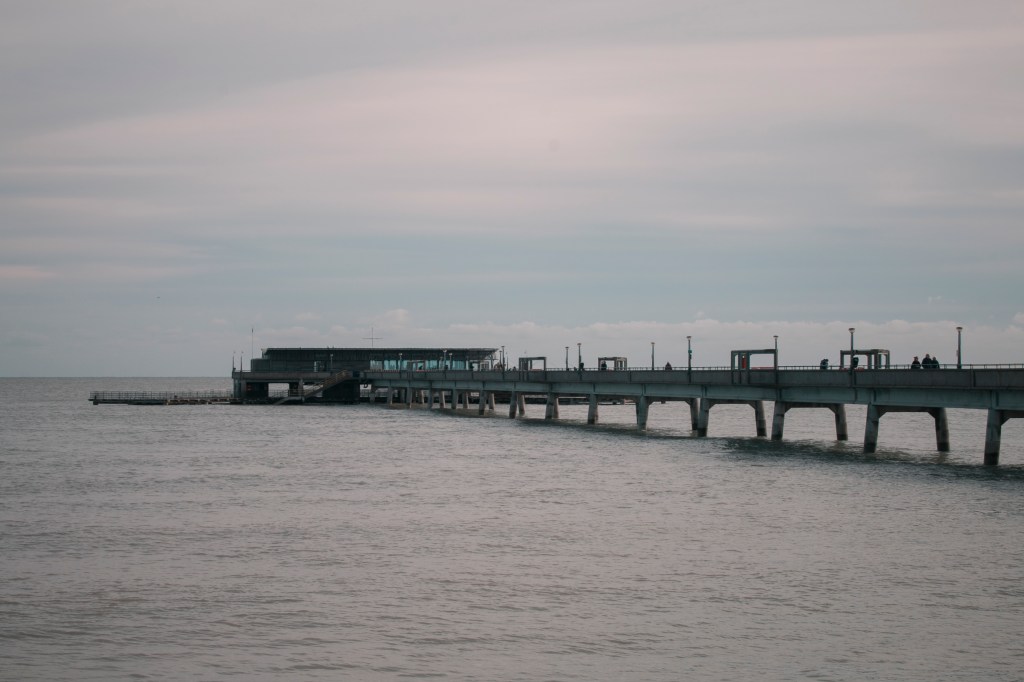
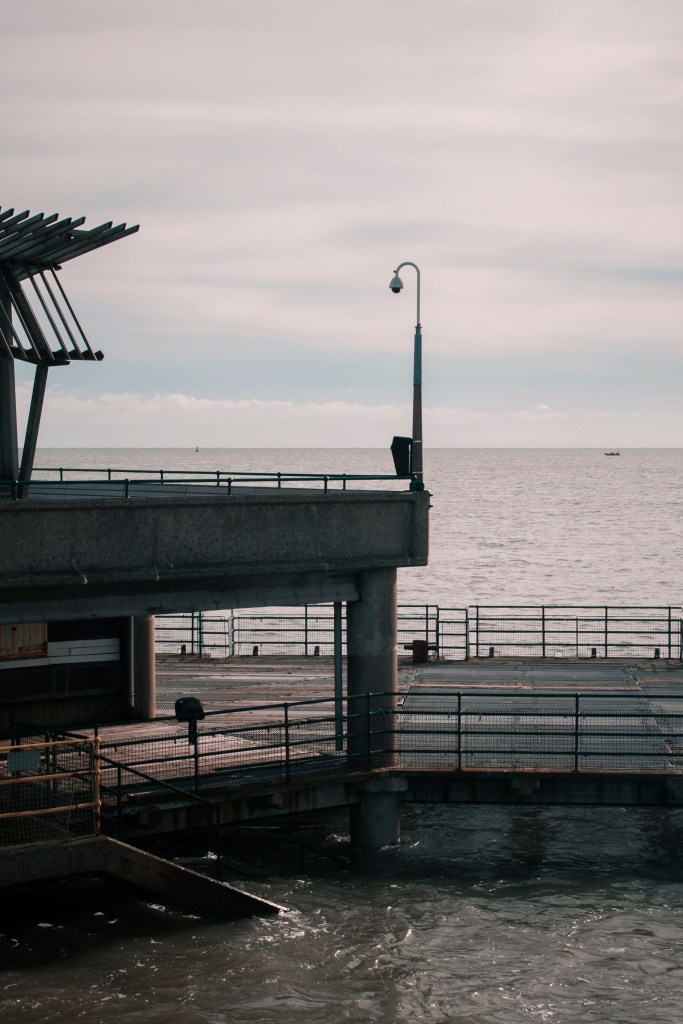
I plan to visit a local seaside town, this is because even after my experimental shoot 1, I really enjoyed taking images of the environment around me, if thats natural or man-made. But I quite like the in-between. The seaside, even after researching the photographer Marc Wilson and Carl De Keyzer, this inspired me even more to shoot this place and idea.
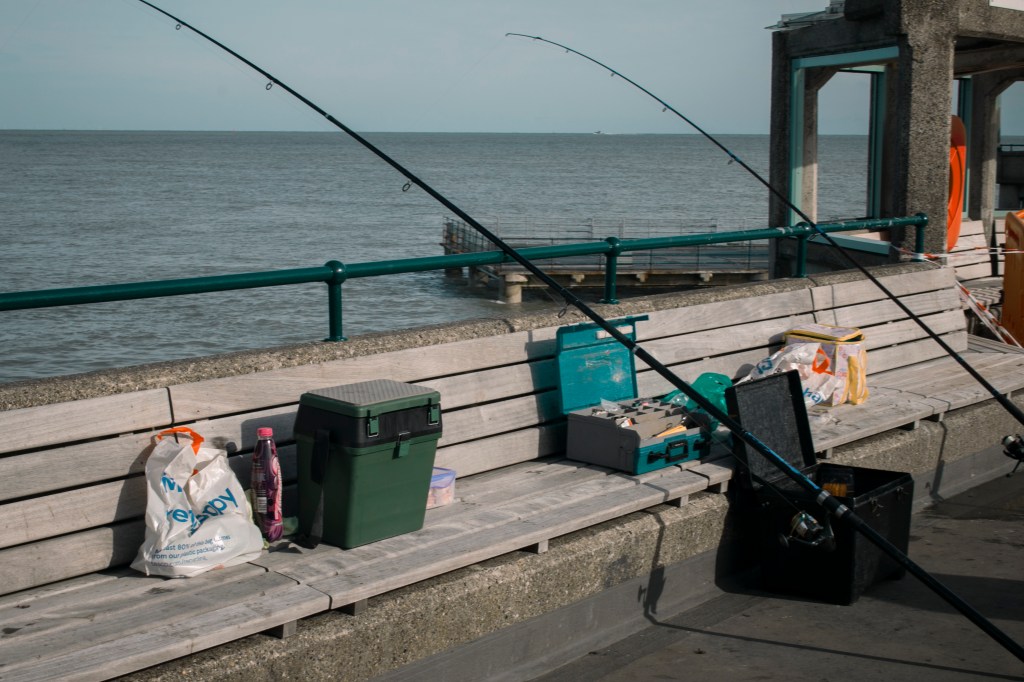
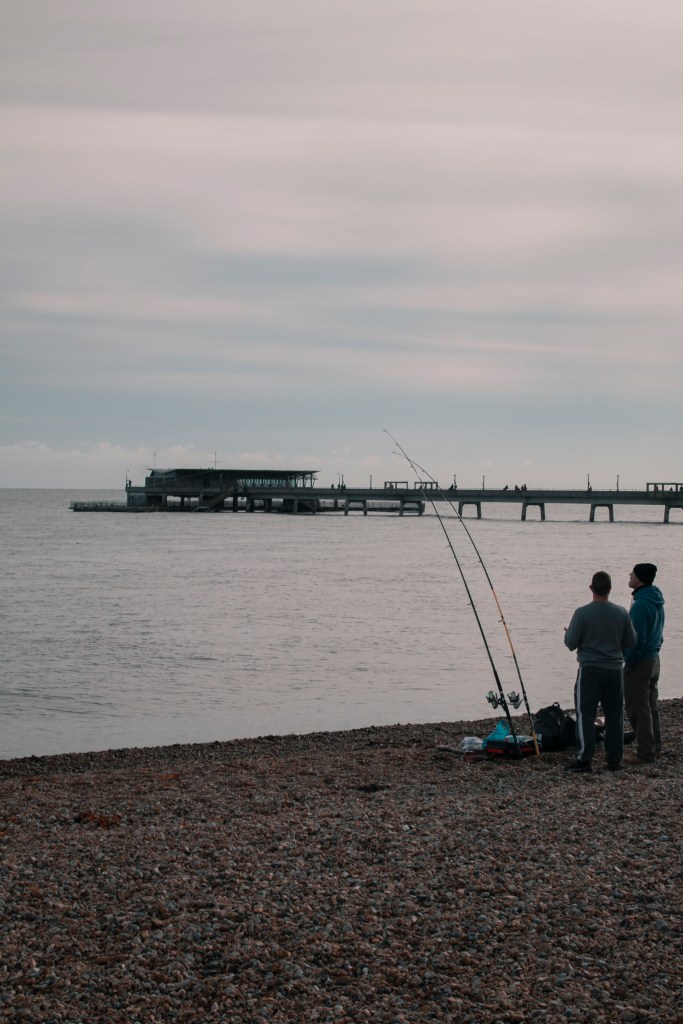
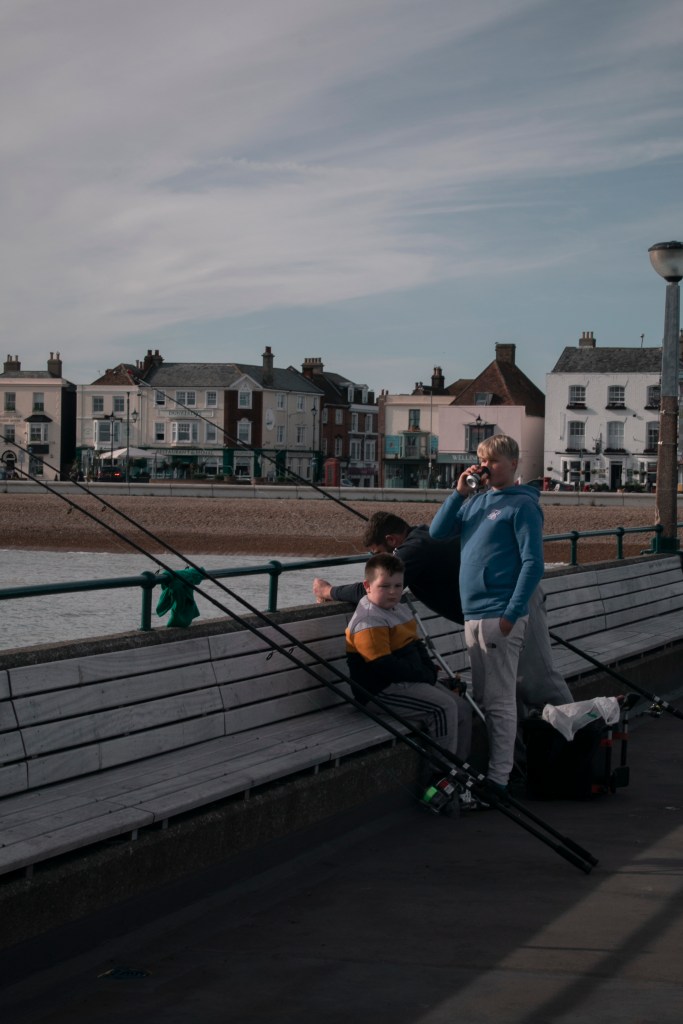
My thoughts are to shoot street style, but also artistic at the same time. Looking for patterns, shapes, lines, textures, reflection and even moments of the life of the locals (fisherman).
LOCATION
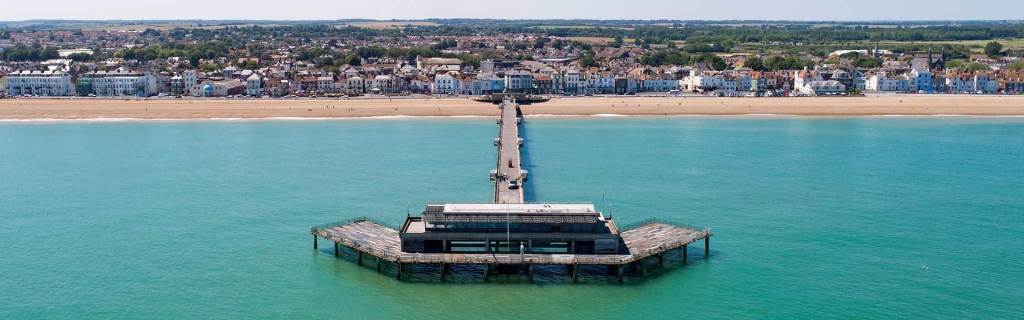
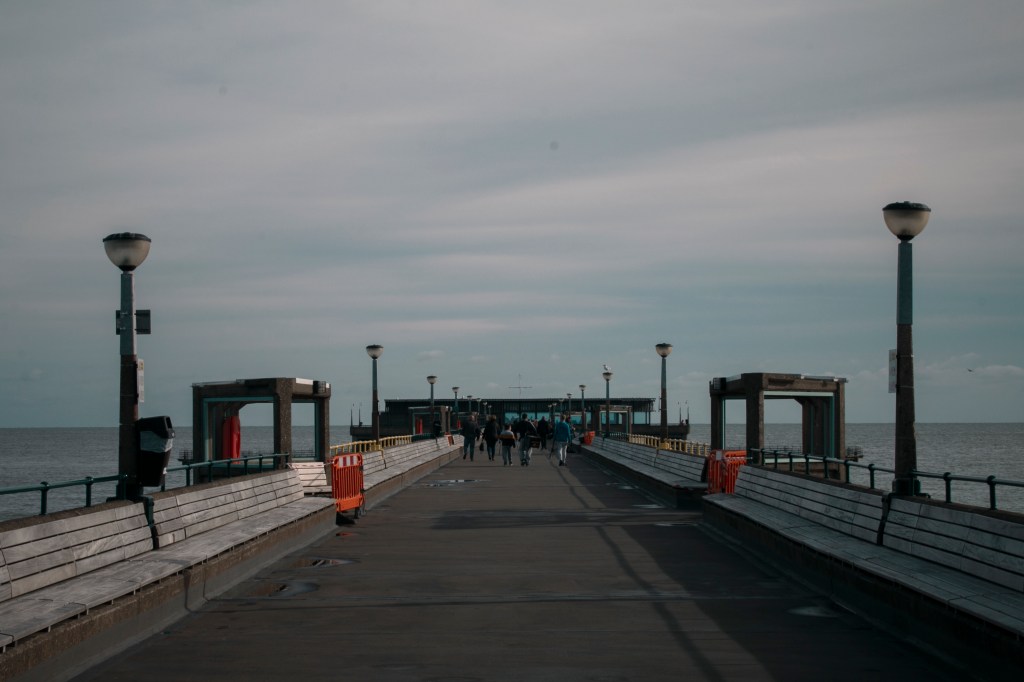
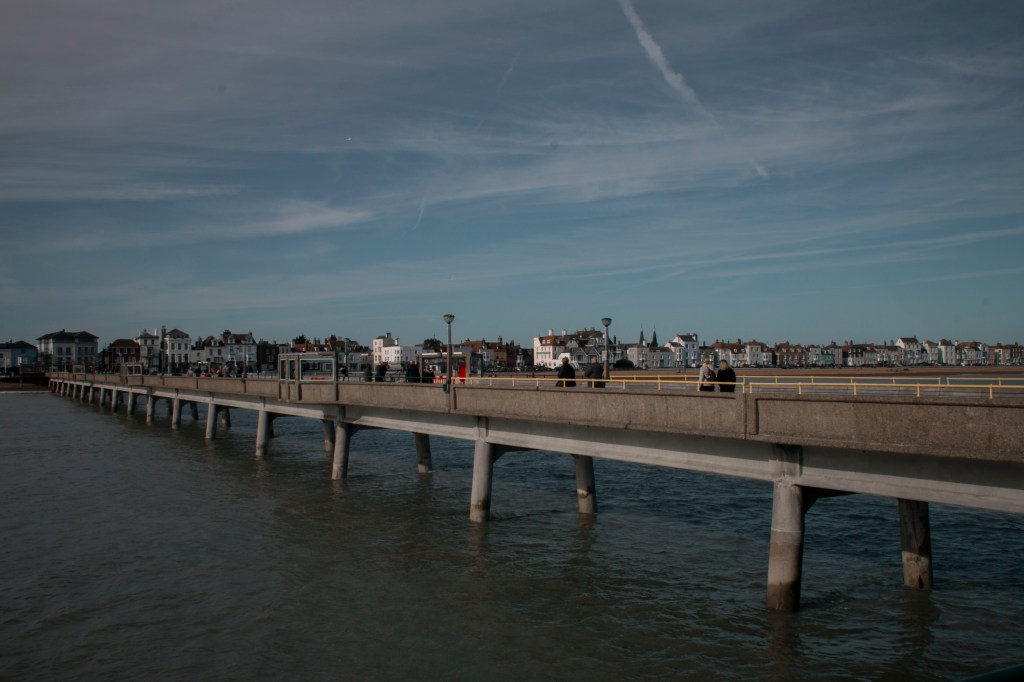
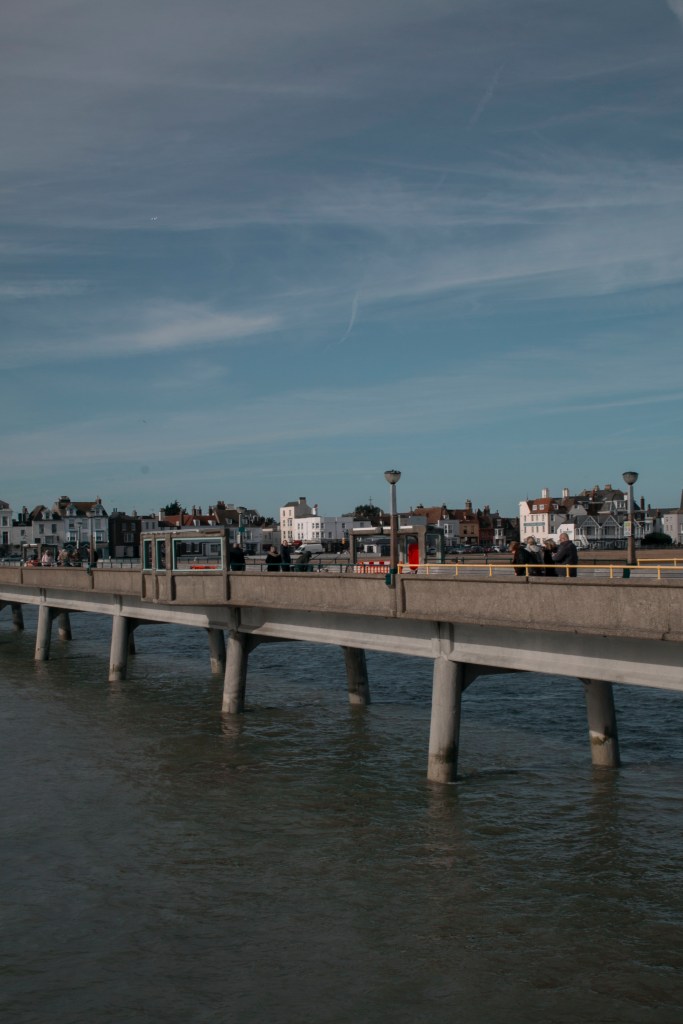
My chosen seaside town is Deal, Kent, and I will be taking the images on the weekend. Deal is mostly known for its fishing and mining past. Still, some of the remanence left behind could be interesting to photograph. Especially the pier, its pier is the home of local and family fishers, this is why I’m going on a weekend because the town and pier become busier and full of life.
EQUIPMENT
I will be using a Canon camera, along with bringing two lenses. One is the standard Canon lens and the other being the 70 – 300mm lens. In the last shoot (experimental shoot 1) bringing the 70 – 300mm, did come in handy in some shots, so thats why I’ve chosen to retake the lens.
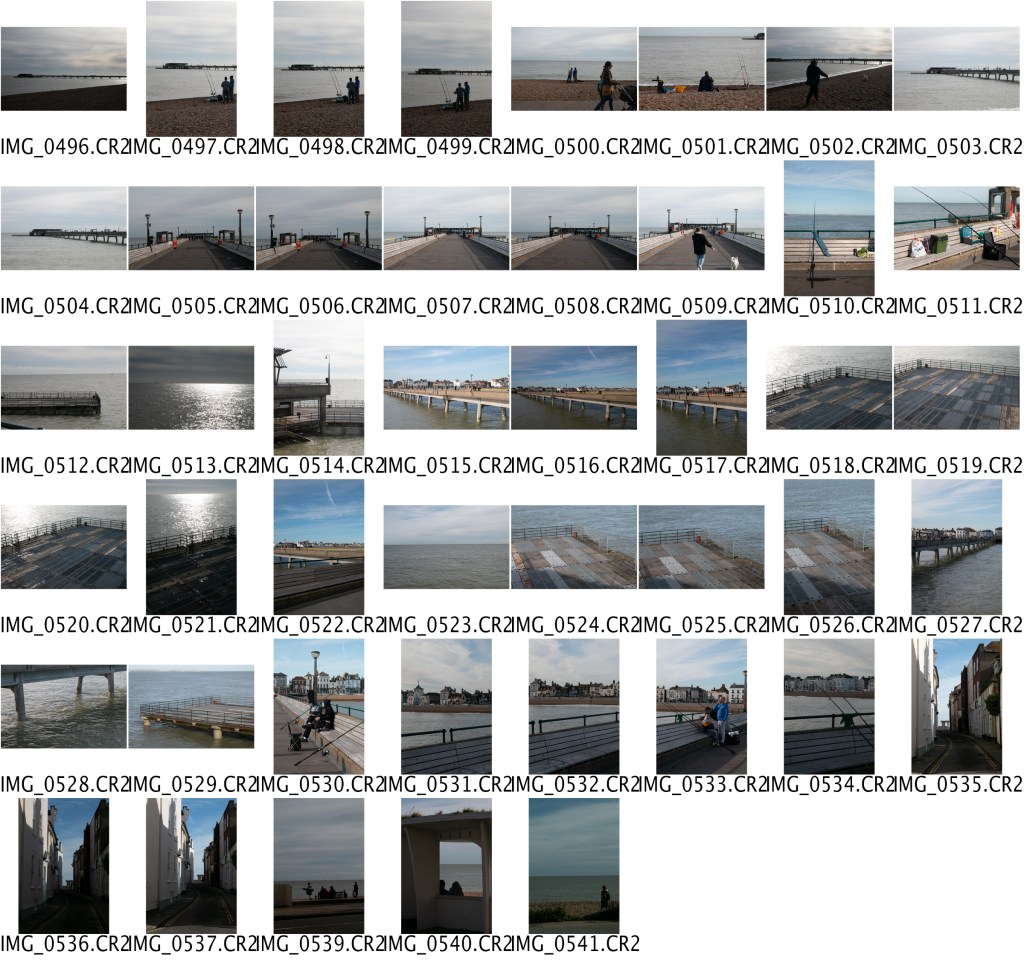
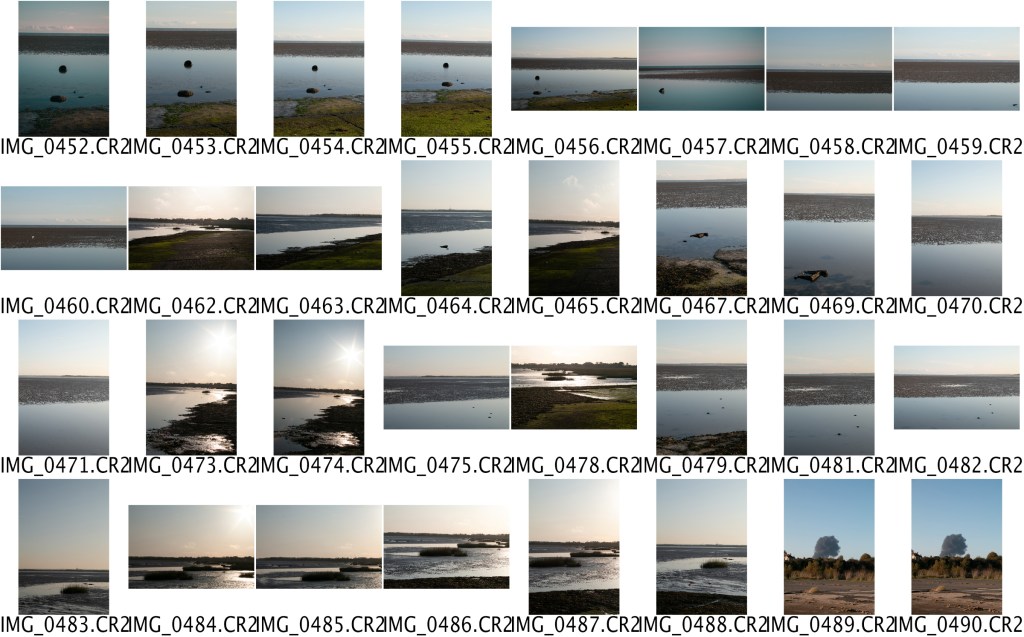
CONTACT SHEET
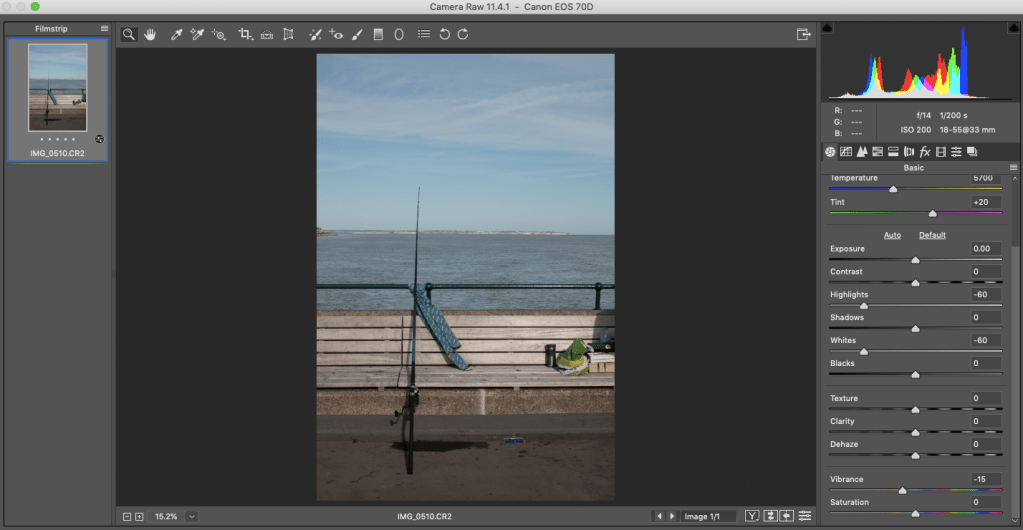
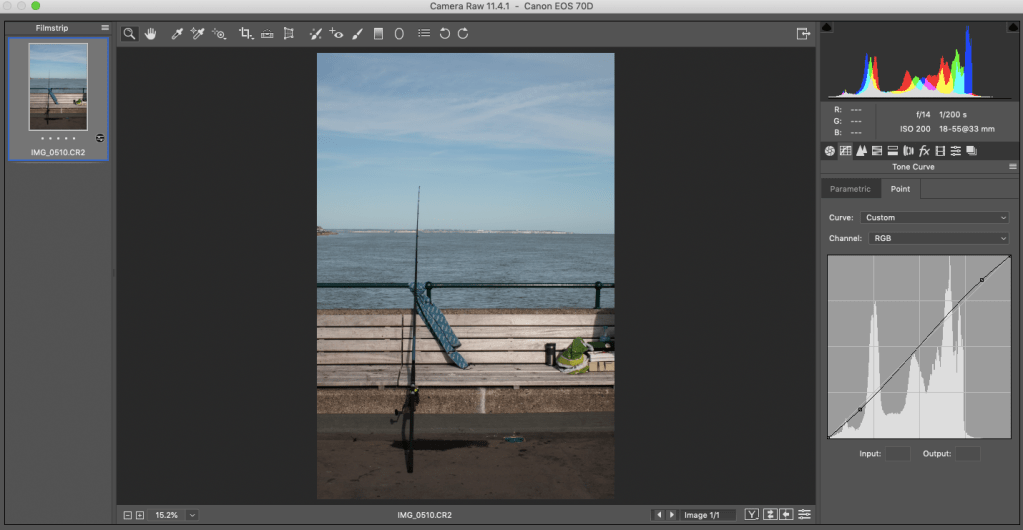
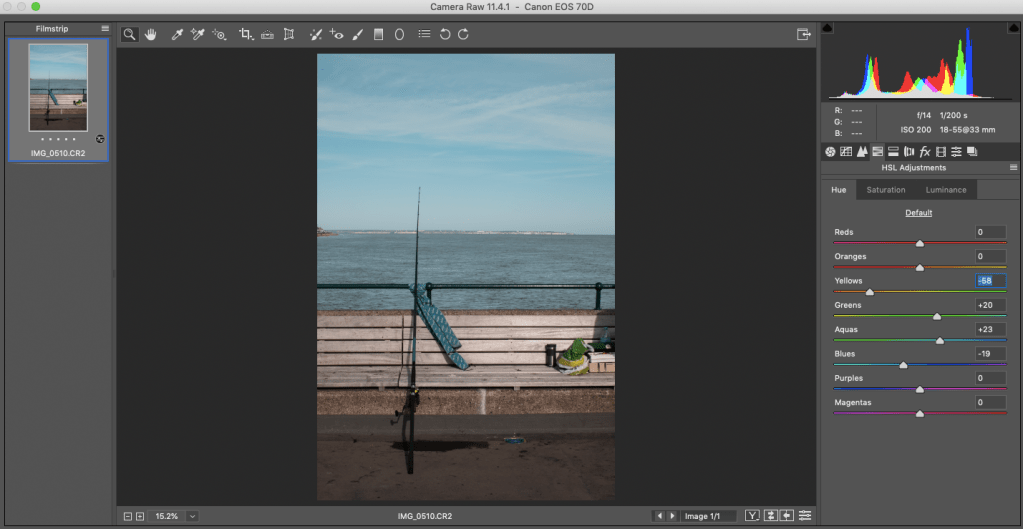
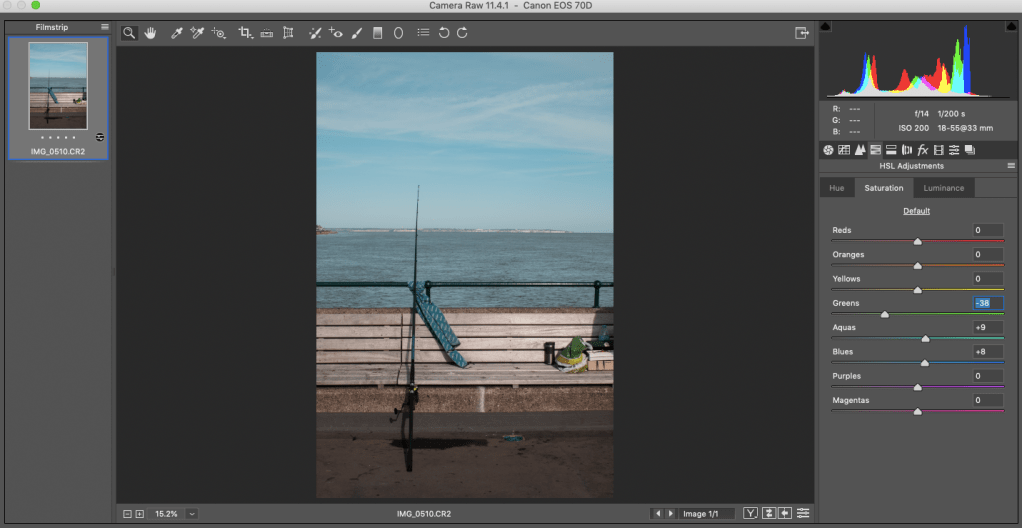
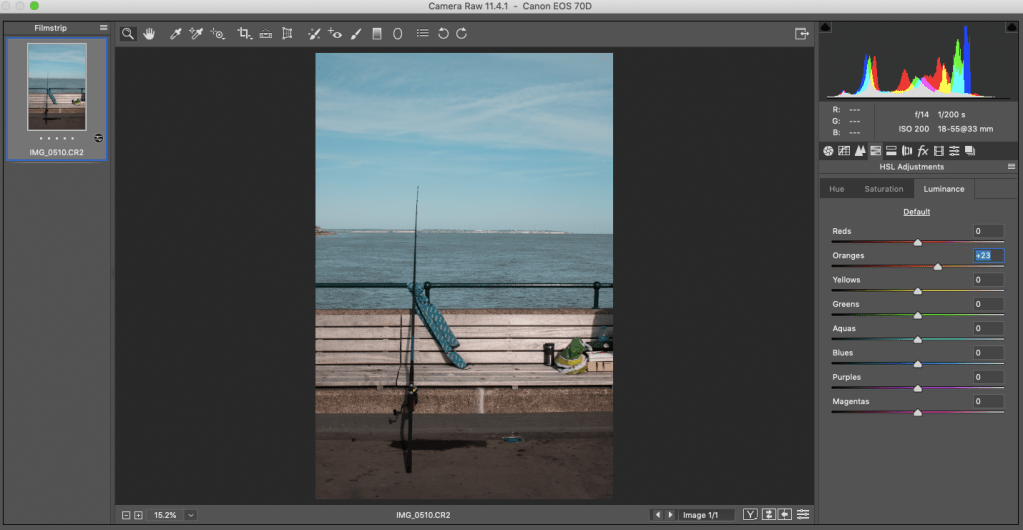
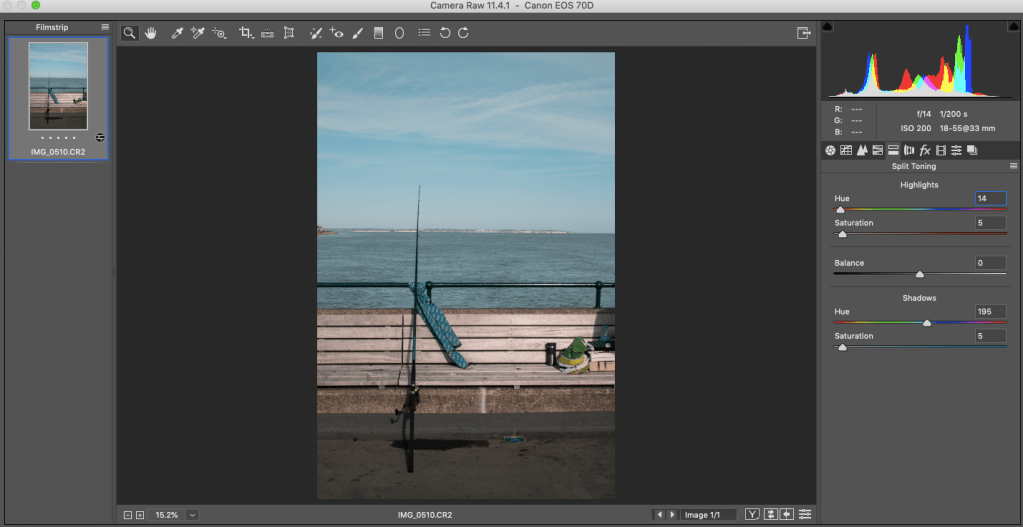
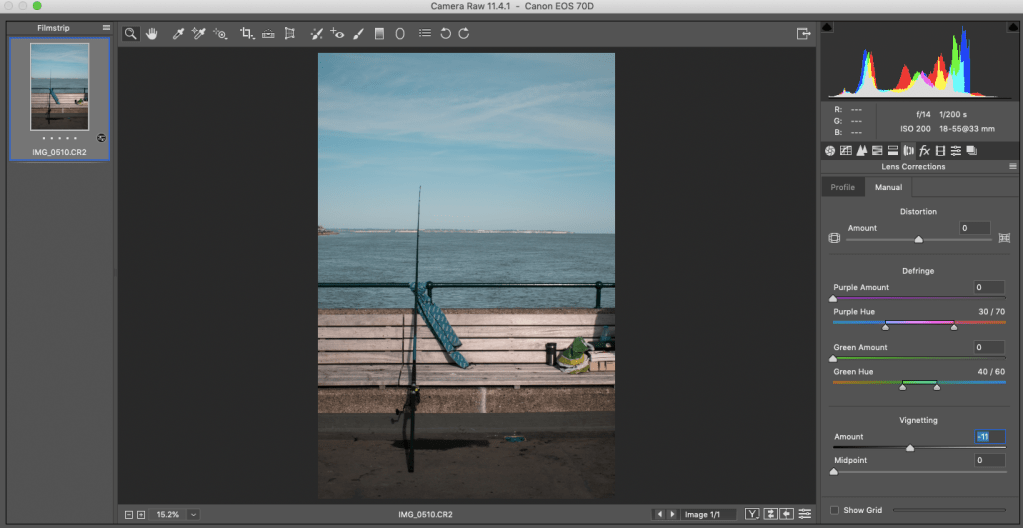
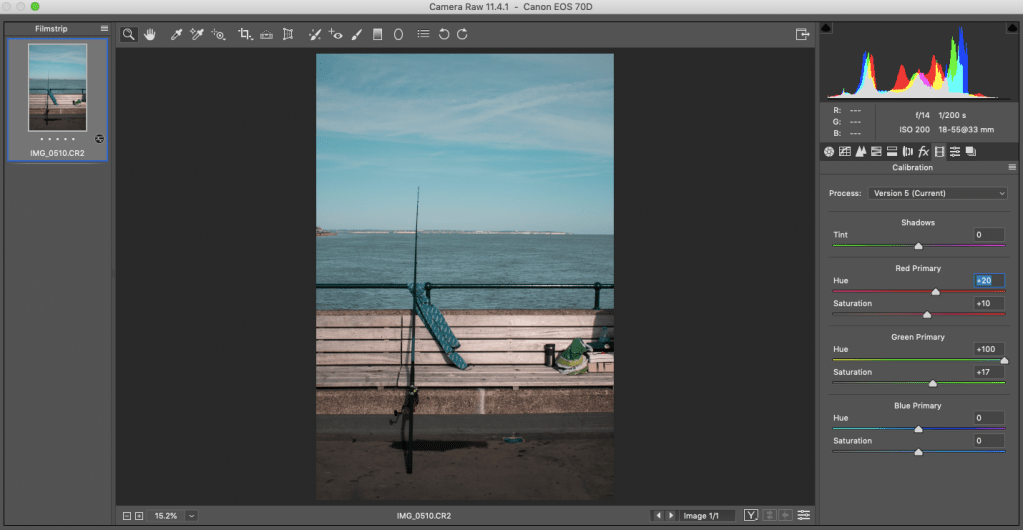
SCREENSHOTS OF EDITING
DECREASING THE HIGHLIGHTS, WHITES AND VIBRANCY
MAKING THE TONE CURVE INTO A SLIGHT ‘S’ SHAPE, TO ADD CONTRAST
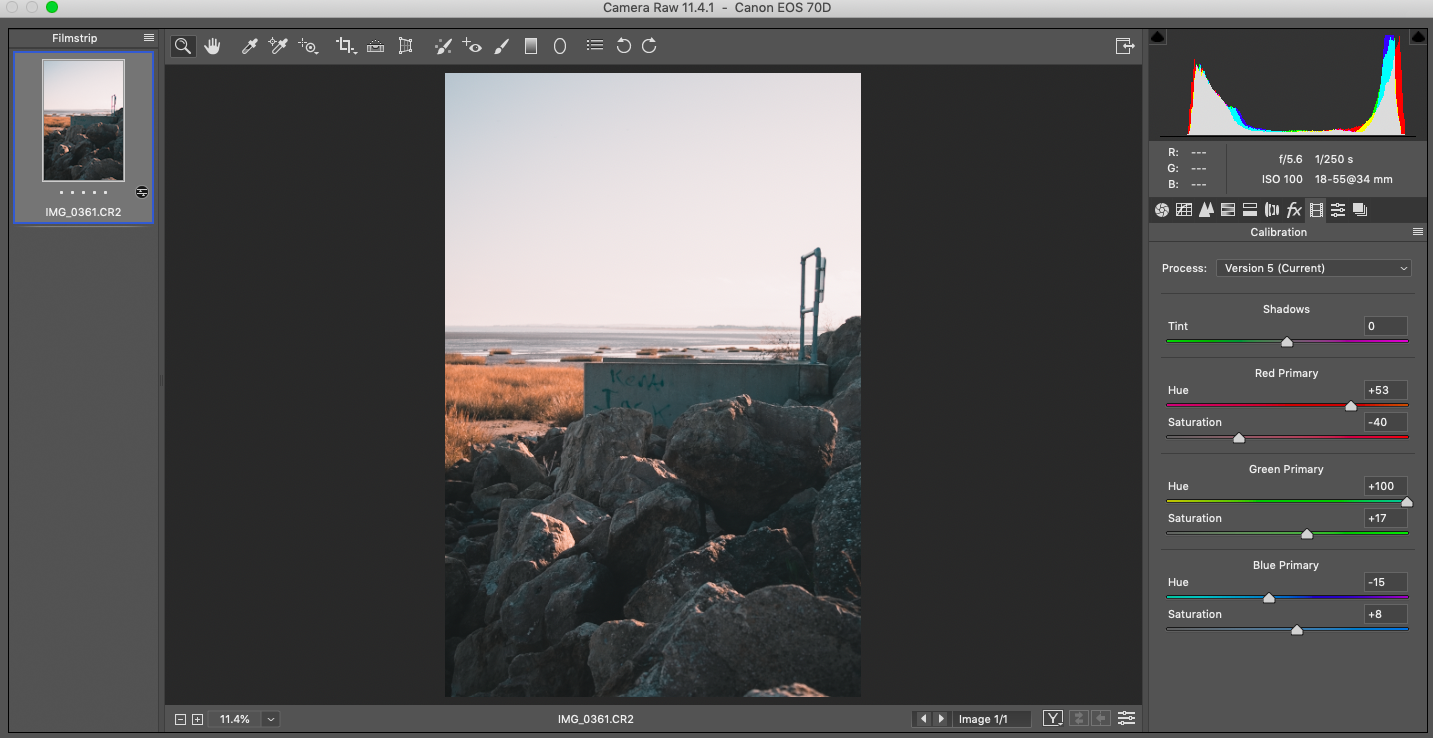
ADJUSTING THE HUE ADJUSTMENTS
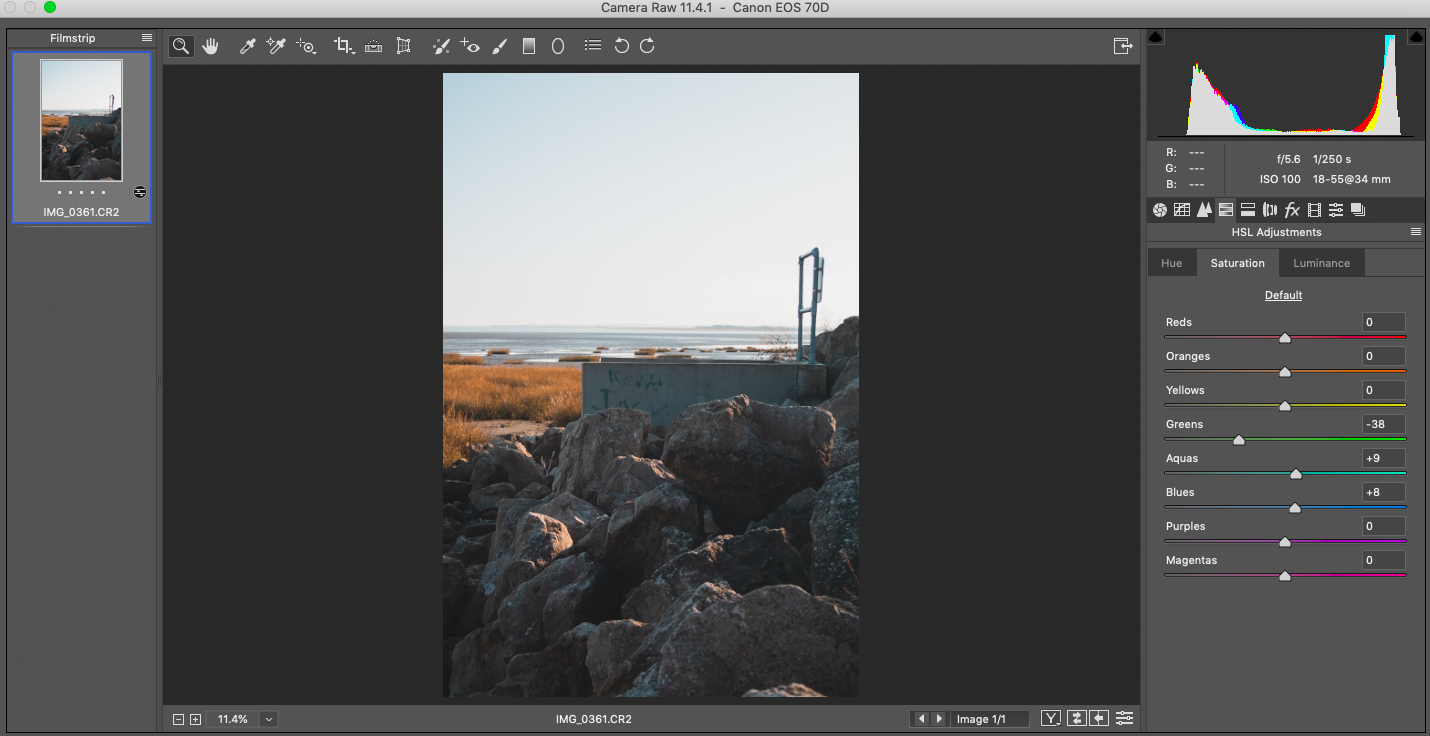
ADJUSTING THE SATURATION ADJUSTMENTS
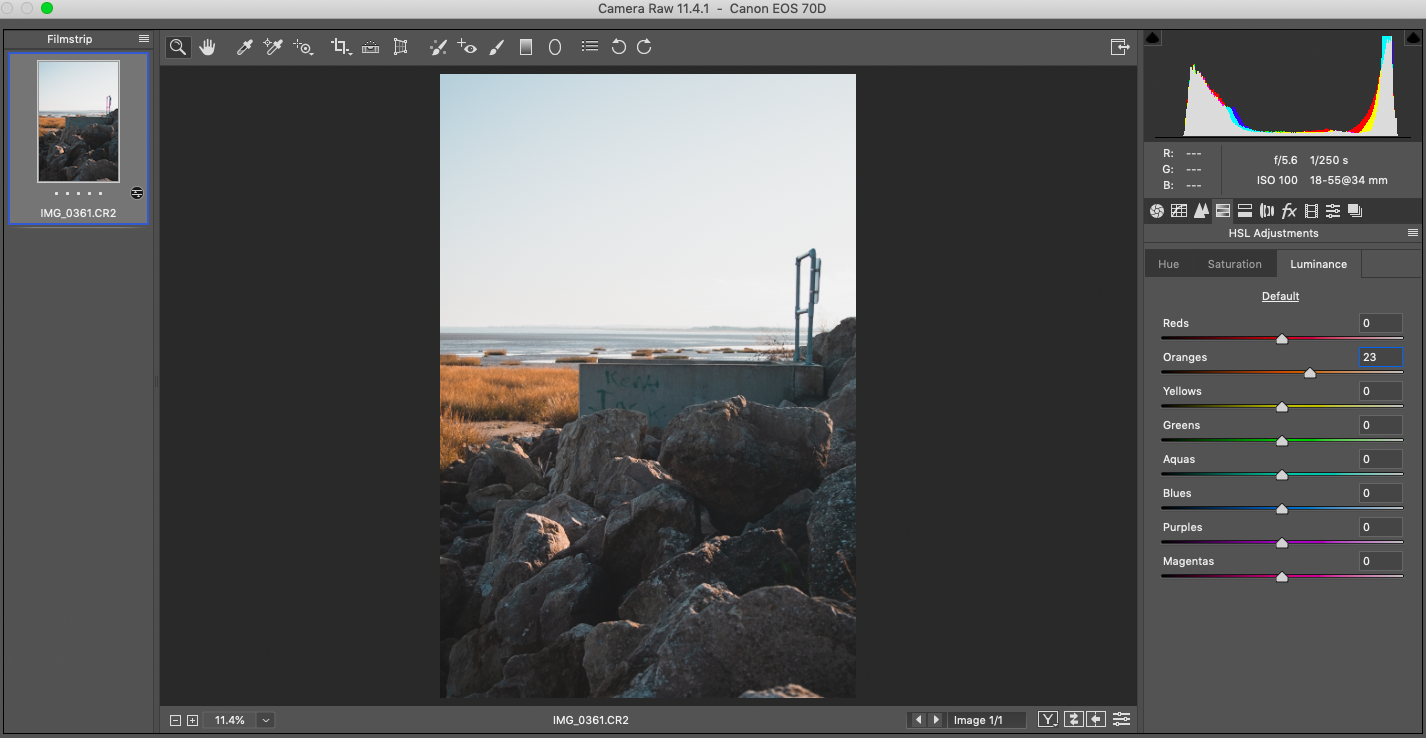
ADJUSTING THE LUMINANCE ADJUSTMENTS
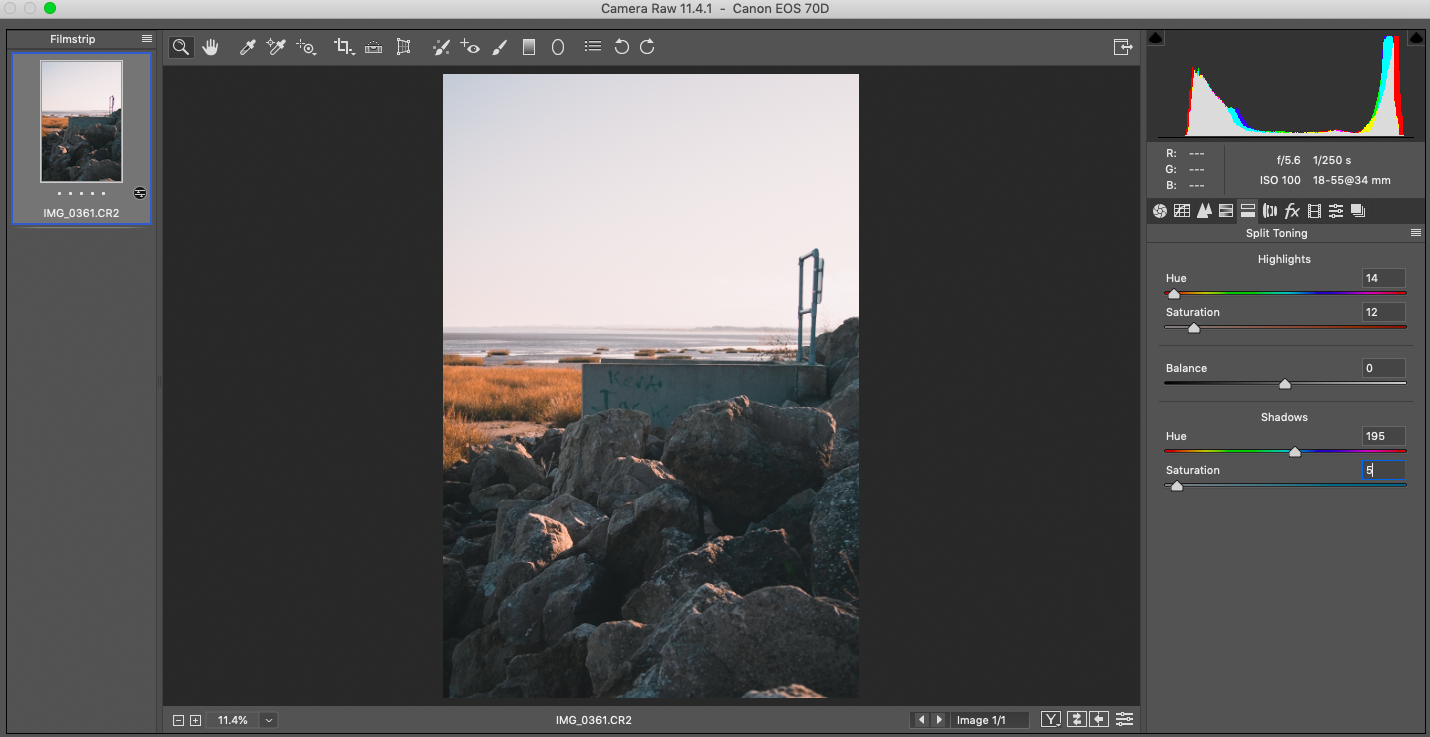
ADJUSTING THE SPLIT TONING HIGHLIGHTS AND SHADOWS
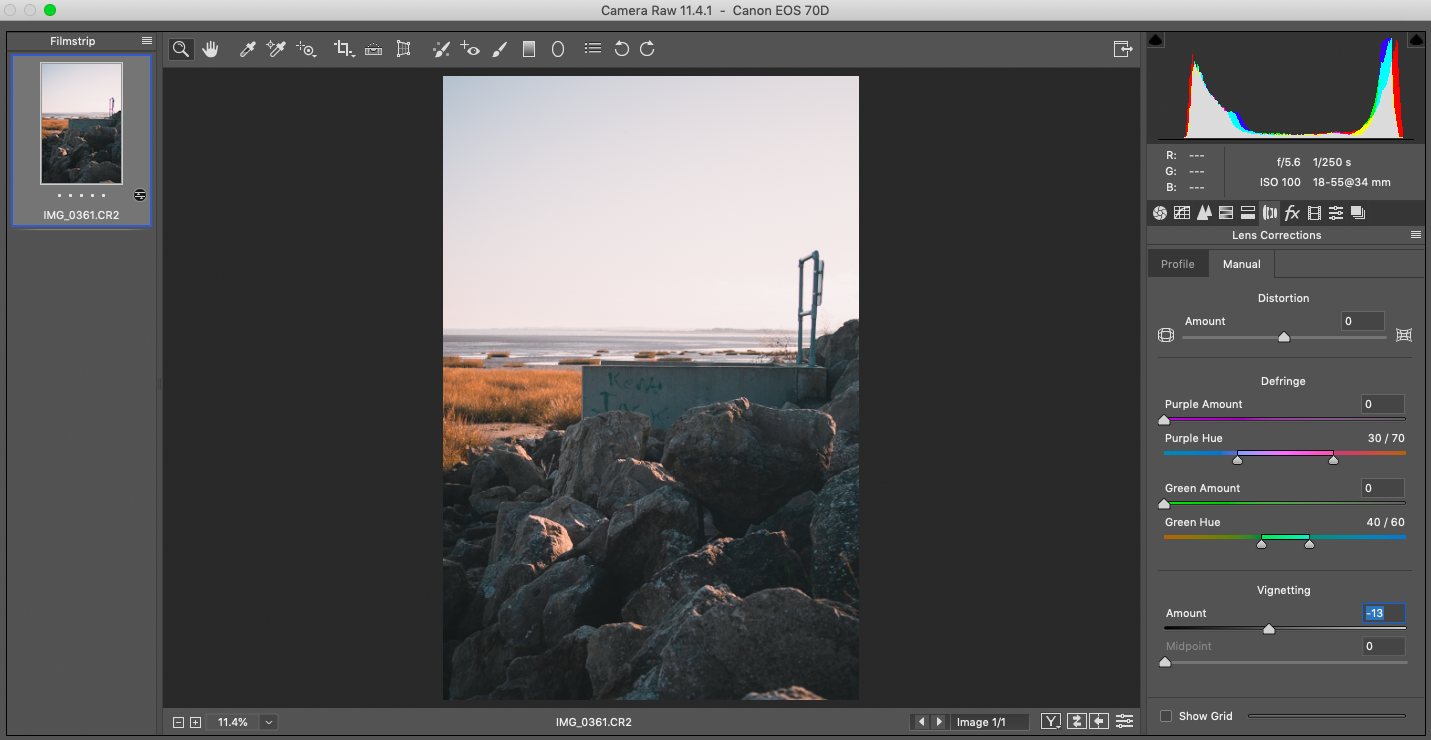
ADDING VIGNETTING
ADJUSTING THE CALIBRATION RED AND GREEN PRIMARY
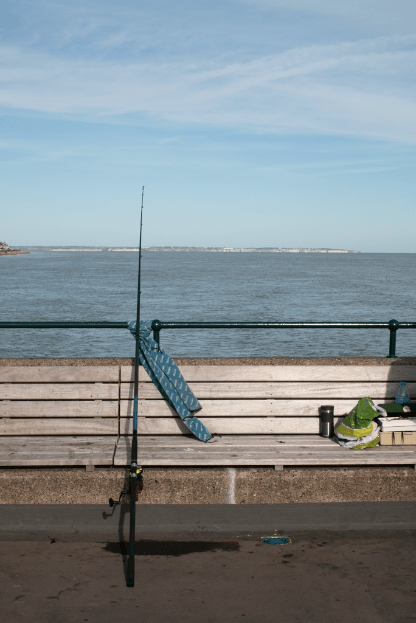
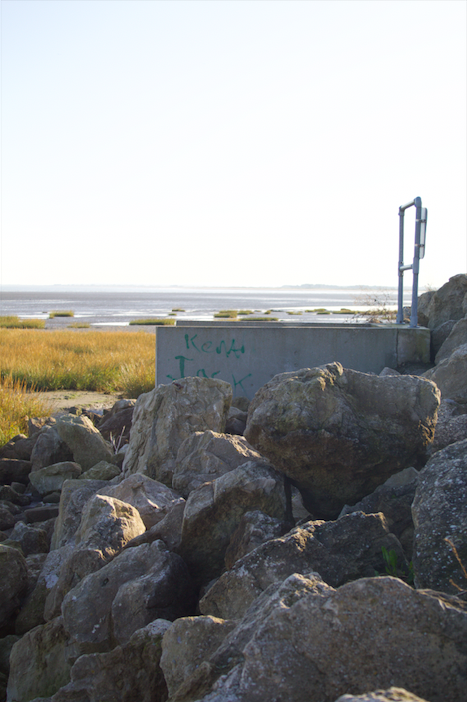
BEFORE
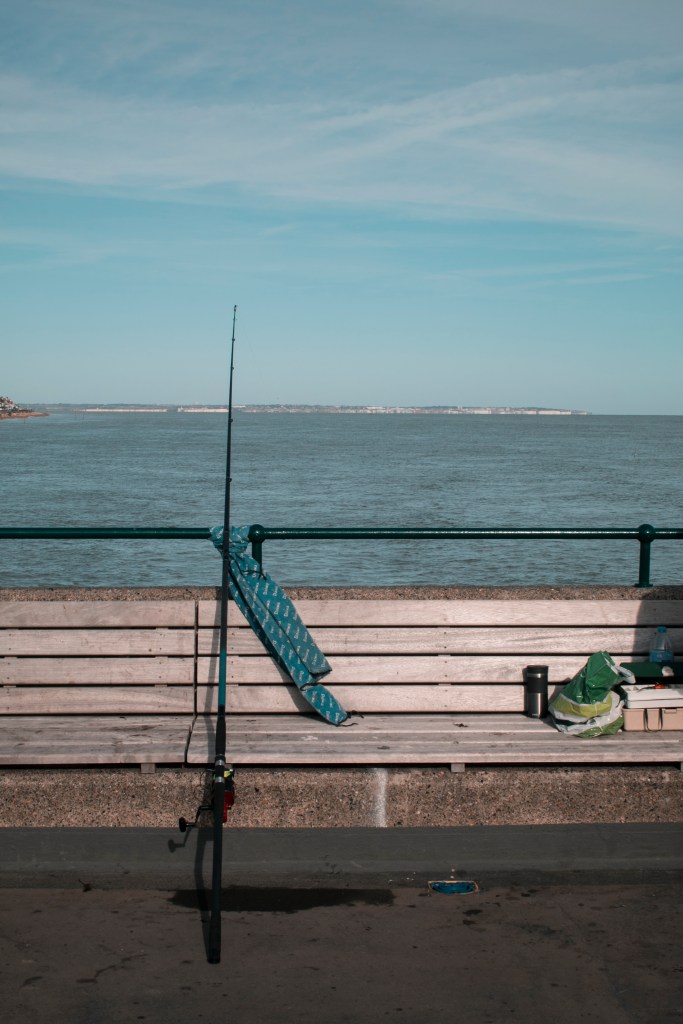
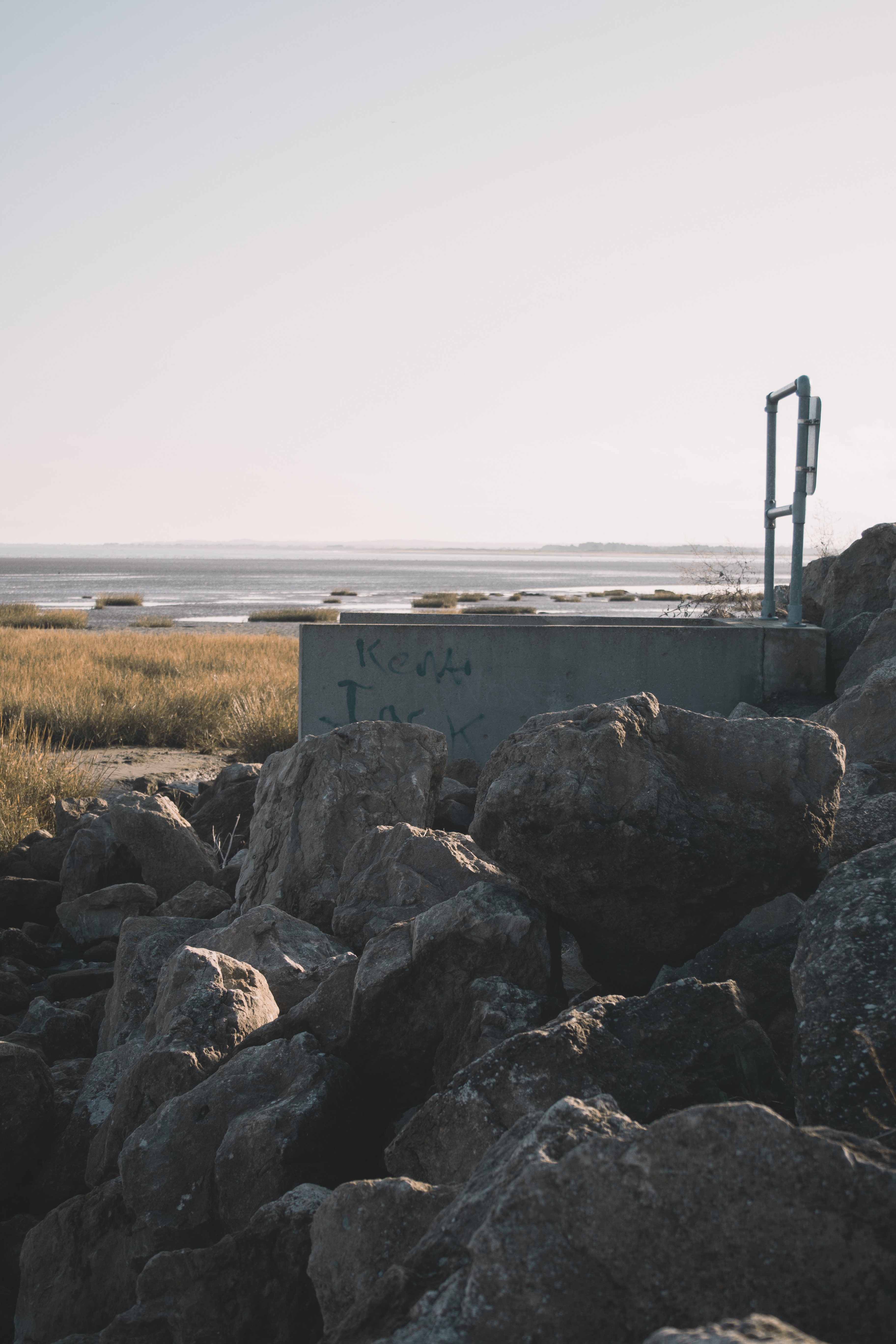
AFTER
THIS IS THE SAME EDITING PROCESSES AS BEFORE IN THE EXPERIMENTAL SHOOT 1. I LIKE HOW THEY TURN OUT SO, I DECIDED TO TRY IT AGAIN, AS THIS LOCATION HAS A LOT MORE BLUE WITHIN IT.
RESULTS
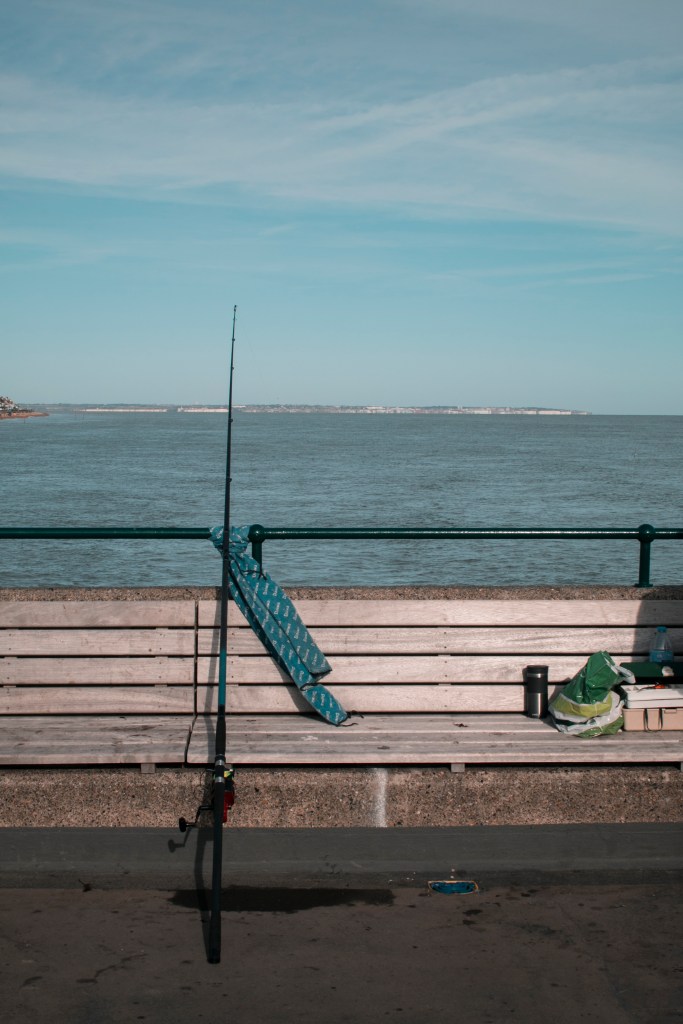
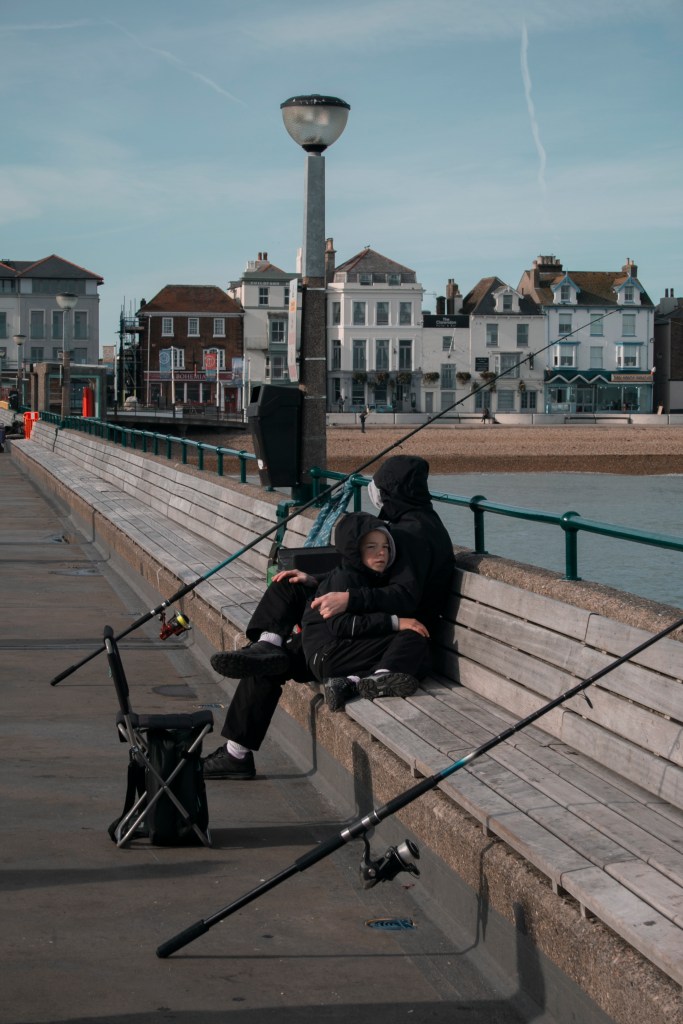
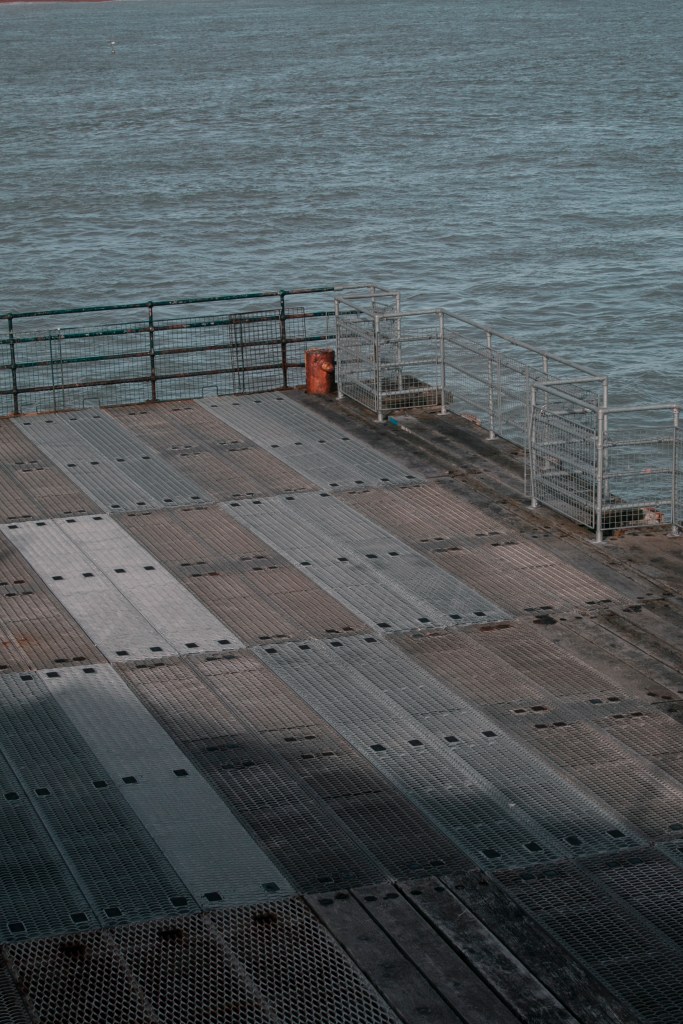
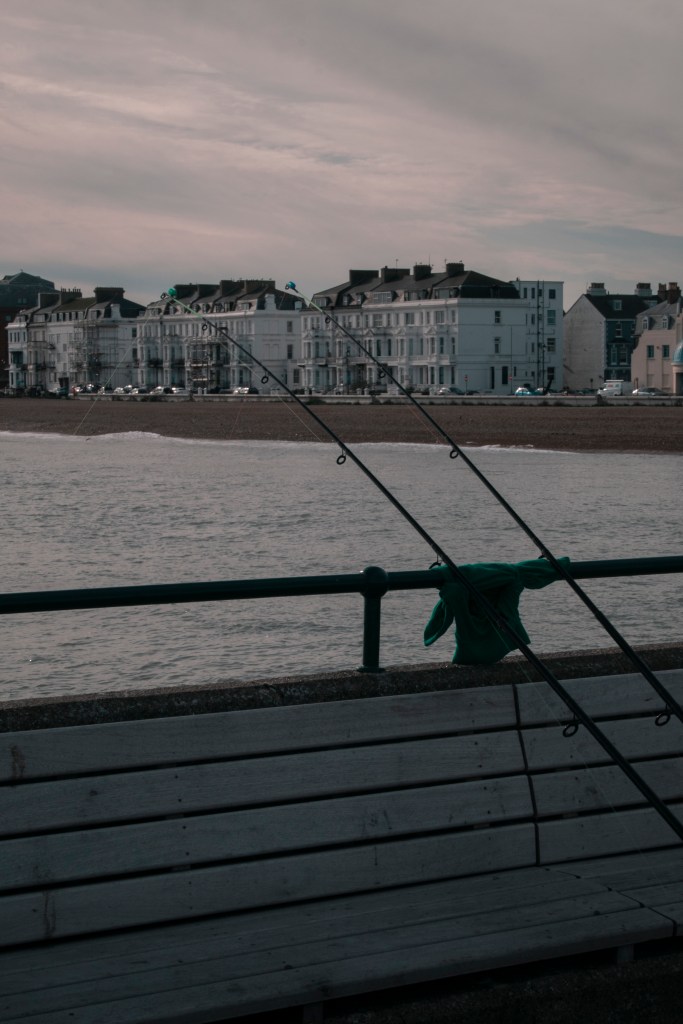
When I got to Deal, I wasn’t sure if I made the right choice in location, but in the end, it worked out better than expected. Some of the photos above stand out more than others. I didn’t have as many final images as the Pegwell Bay shoot, but I think I managed to get some great photos. I did try to convert some into black & white, but I felt that it lost the liveliness and story of the environment that surrounds. I would want to go back to the location on a similar day, and weather and try to get more images of people, like the fisherman.
When showing this shoot to fellow peers, one of their favourites (and mine), was the boy hugging his dad. It was almost like the barrier between the rods is their space. This was taken while going off the pier and thought it would make a charming image. The images have warmth, from the boy hugging his dad, but also the bonding experience between the two shows the character of this environment.
As I never really practise doing landscape photography, I wanted to go out and try to produce some images, to get an idea of what to except for further shoots. I plan to take inspiration from the photographers I research, and looking for formal elements – such as shapes, textures, lines, colour etc.
LOCATION
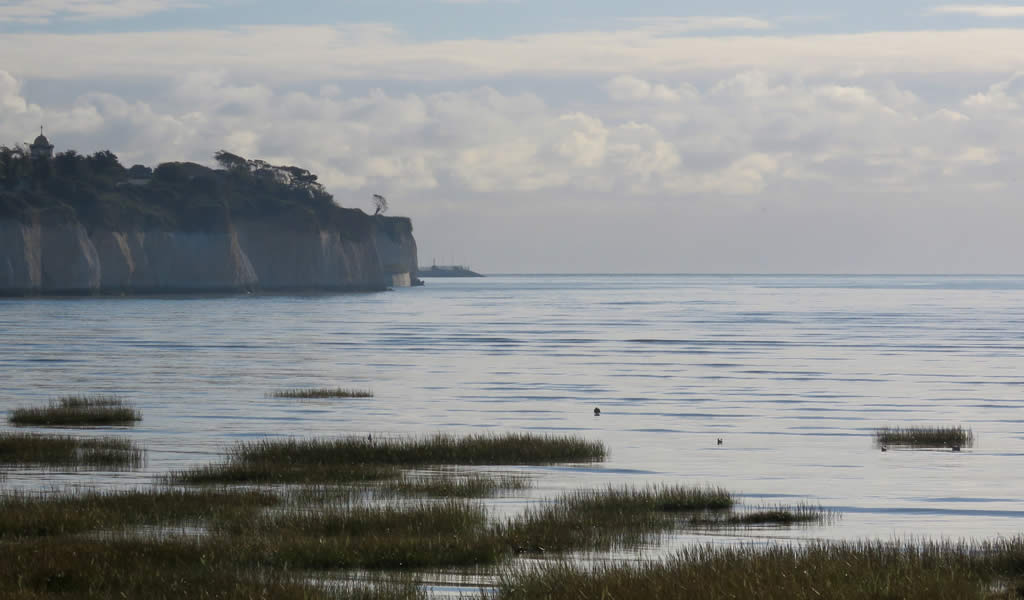
The location I’m planning to go to is Pegwell Nature Reserve & Hoverport. It’s rural and has a lot of life. You can get to a different height within the walk, allowing me to have a high and low point of view. The hoverport part of the reserve was close in September 1982, so most of the area has been taken over by nature and the natural environment. This is like the war structures in Marc Wilsons work.
WWW.VISIT RAMSGATE.CO.UK
EQUIPMENT
I will be using a Canon camera, along with bringing two lenses. One is the standard Canon lens and the other being the 70 – 300mm lens. I’m bringing the 70 – 300mm because some parts of the nature reserve are fenced off and I could use this zoom lens to get closer through the camera. I’m also bringing a tripod just in case I want stability/extra support.
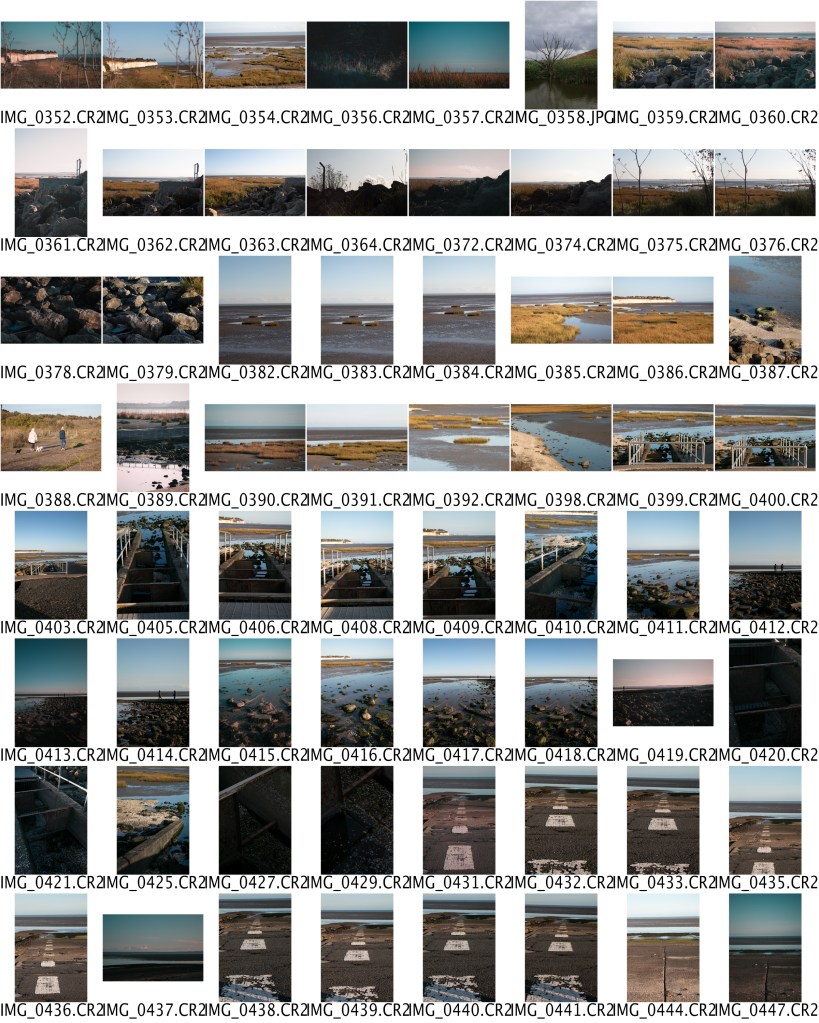
CONTACT SHEET
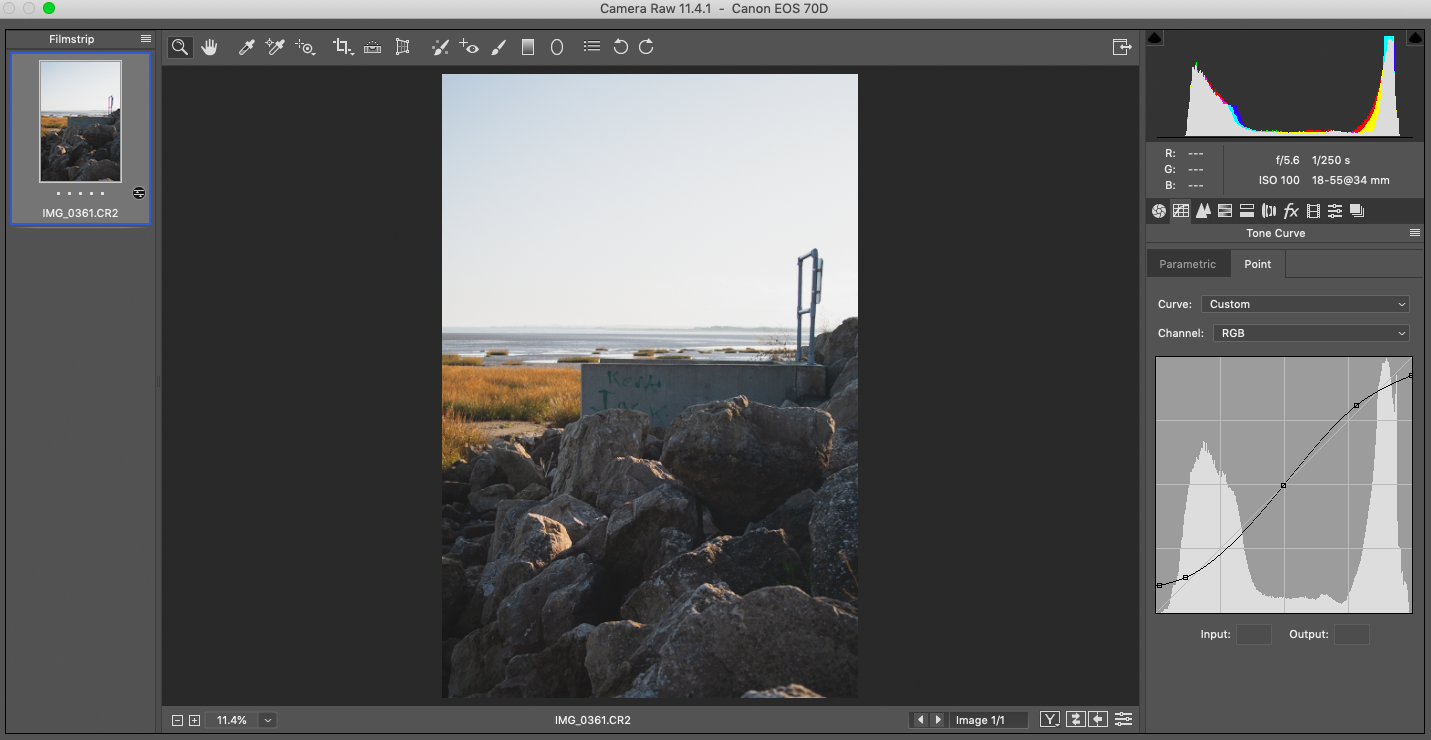
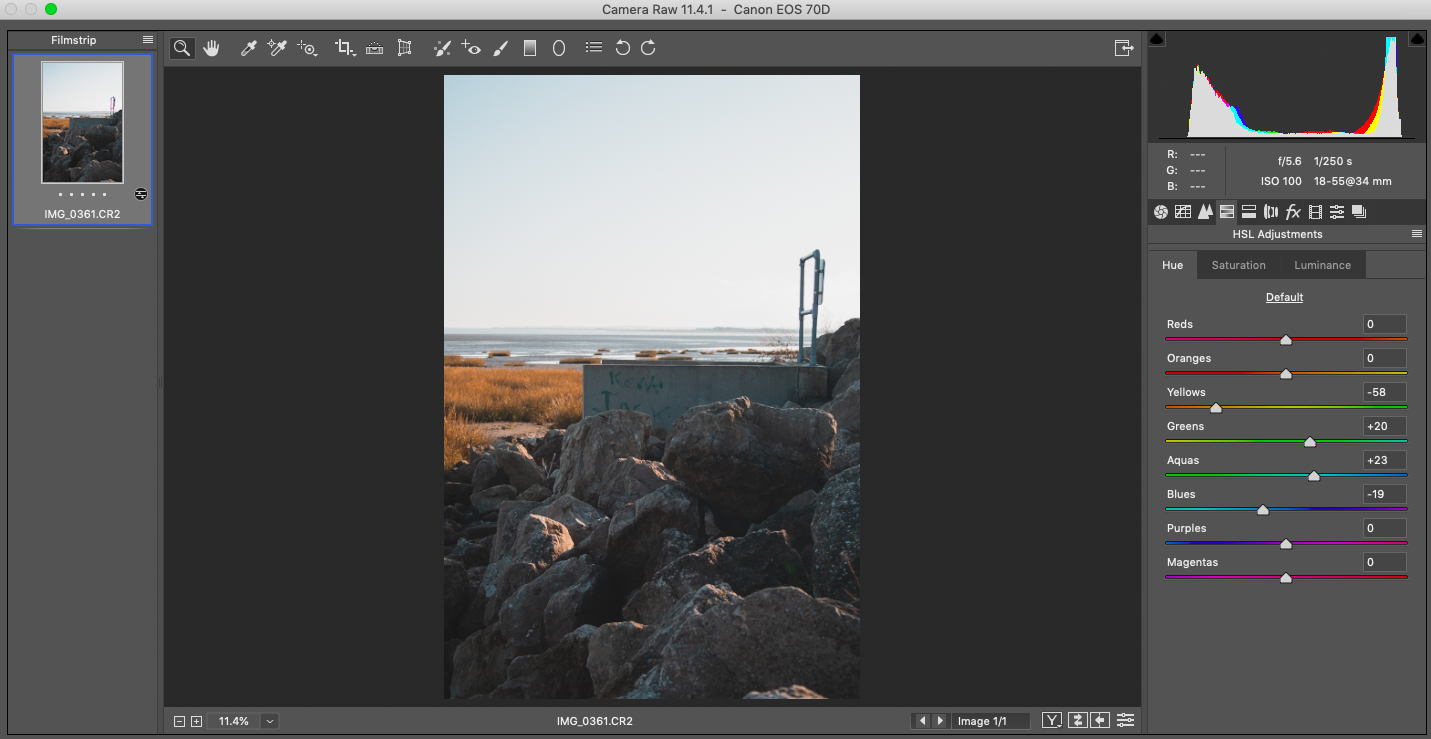
SCREENSHOTS OF EDITING
DECREASING HIGHLIGHTS, WHITES, AND VIBRANCE
MAKING THE TONE CURVE INTO A ‘S’ SHAPE
ADJUSTING THE COLOUR HUE
ADJUSTING THE COLOUR SATURATION
ADJUSTING THE COLOUR LUMINANCE
ADJUSTING THE SPIT TONING HIGHLIGHTS AND SHADOWS
IN LENS CORRECTION, ADJUSTING THE VIGNETTING
IN CALIBRATION, ADJUSTING THE RED, GREEN AND BLUE PRIMARY
BEFORE
AFTER
I DID THE SAME EDITING TECHNIQUE FOR ALL OF THE OTHER IMAGES, BUT SOME ADJUSTMENT ARE SLIGHTLY DIFFERENT THAN OTHERS. ALSO IN SOME I TURN INTO BLACK & WHITE AFTER I DID THIS EDITING
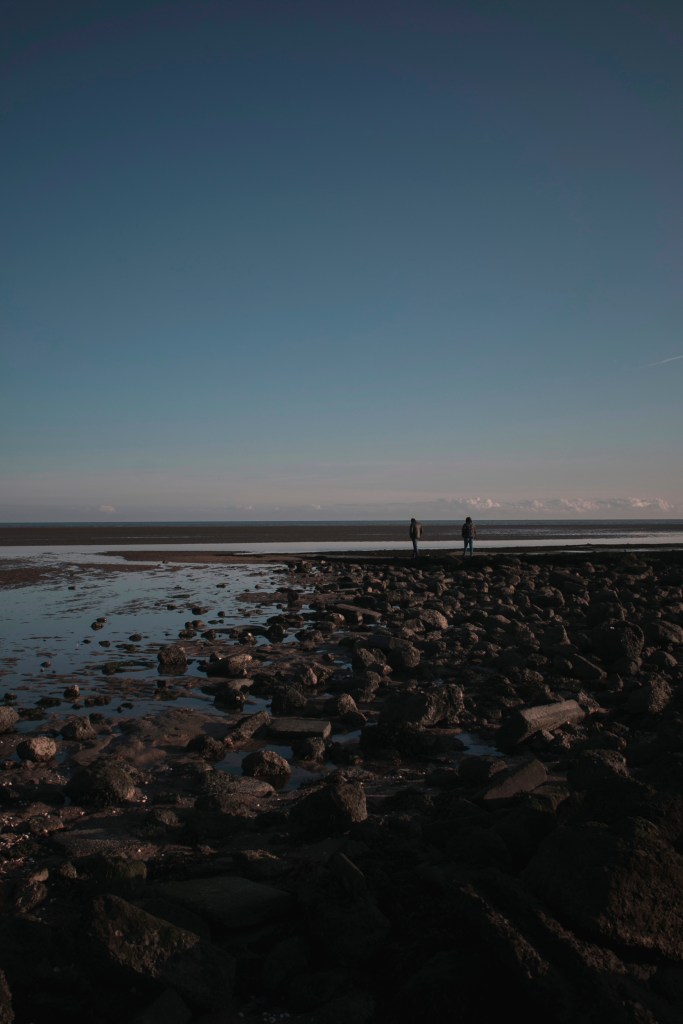
RESULTS
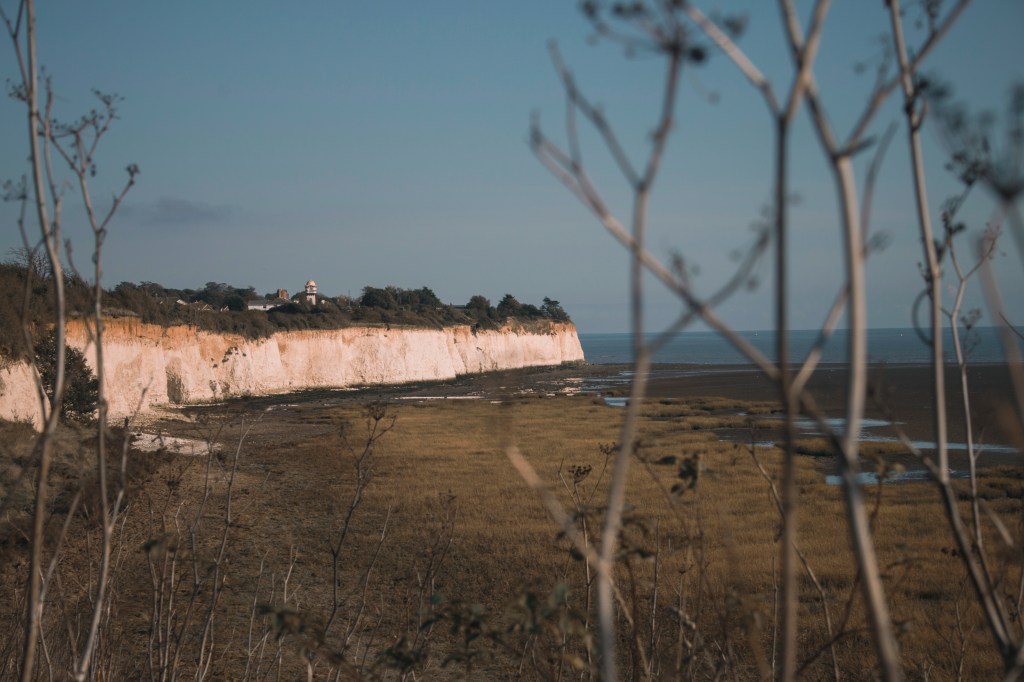
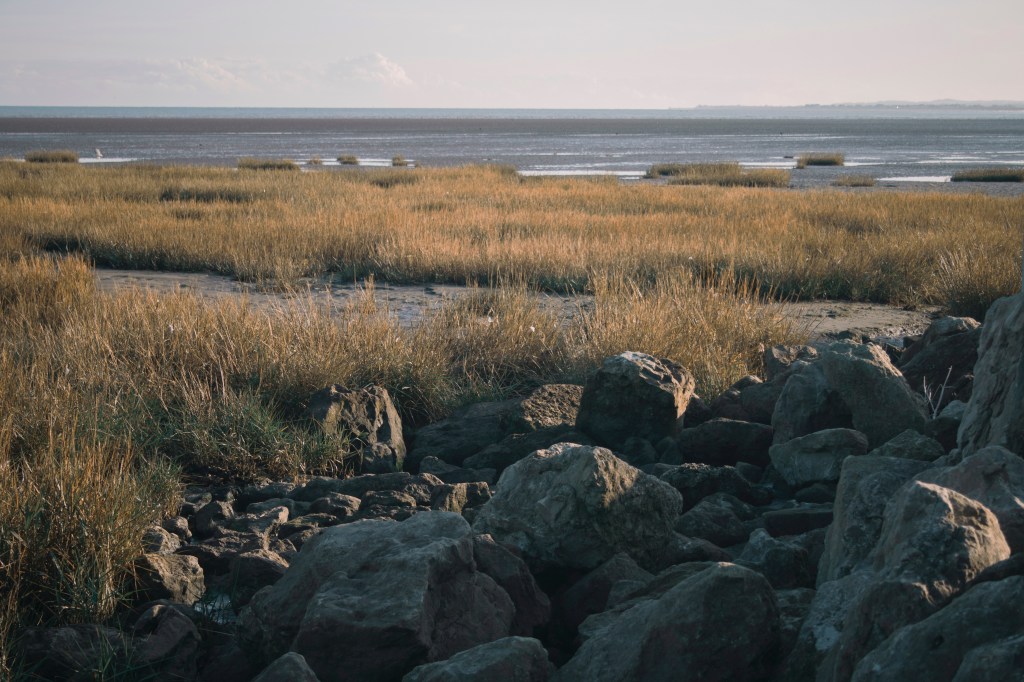
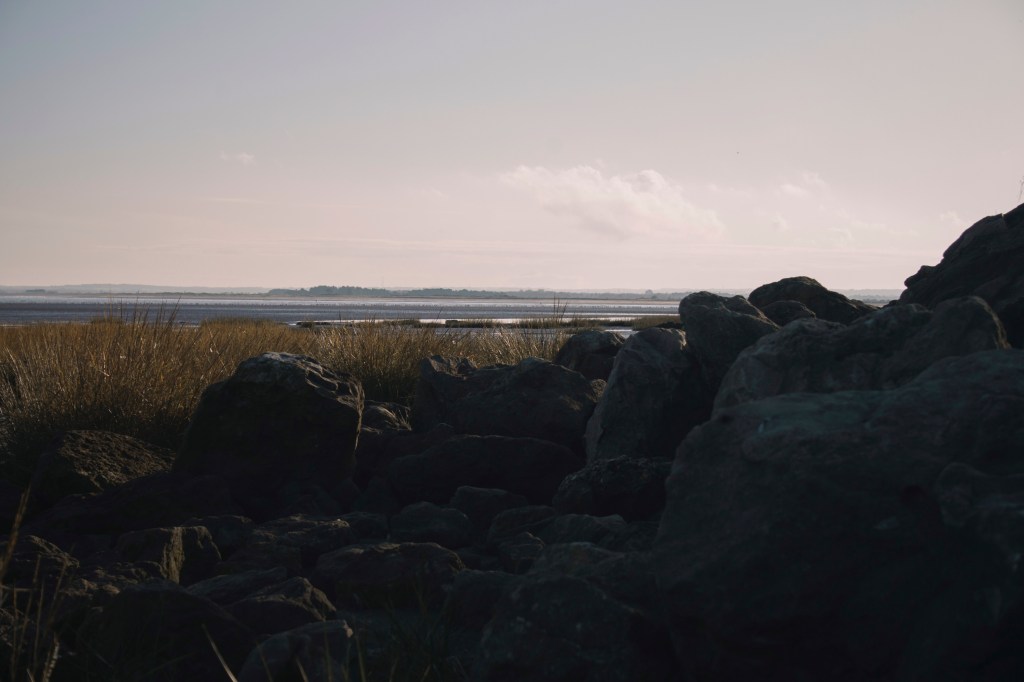
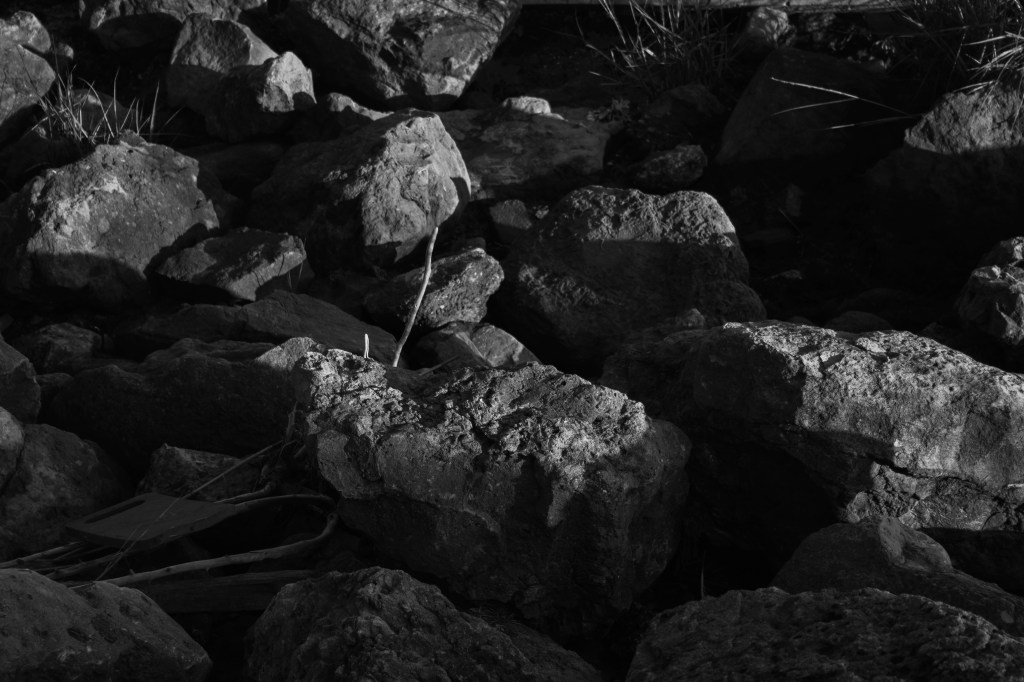
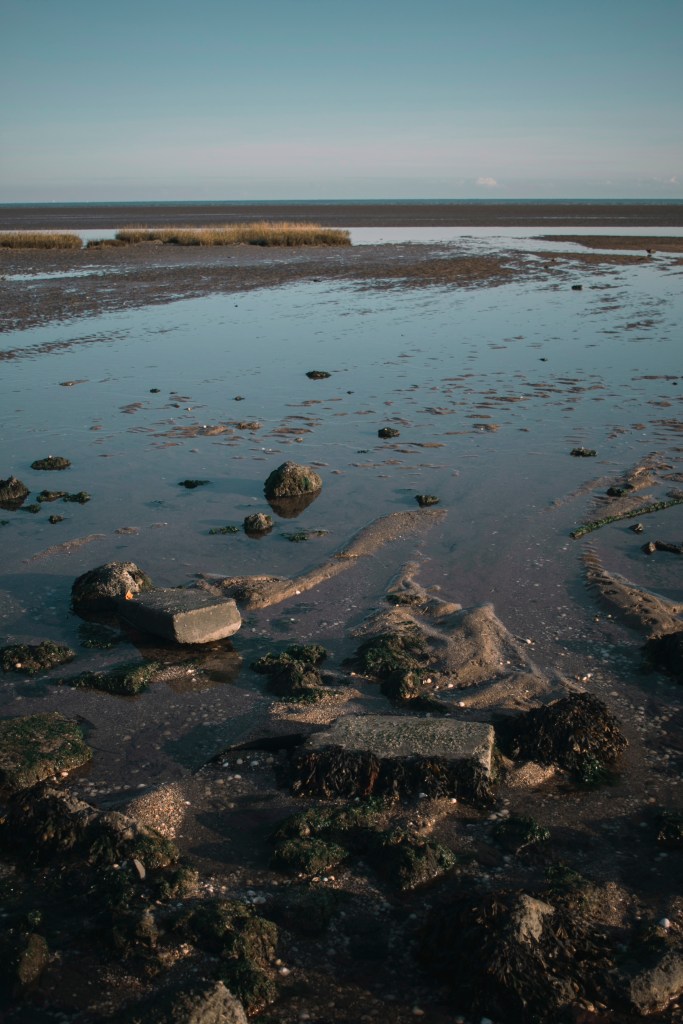
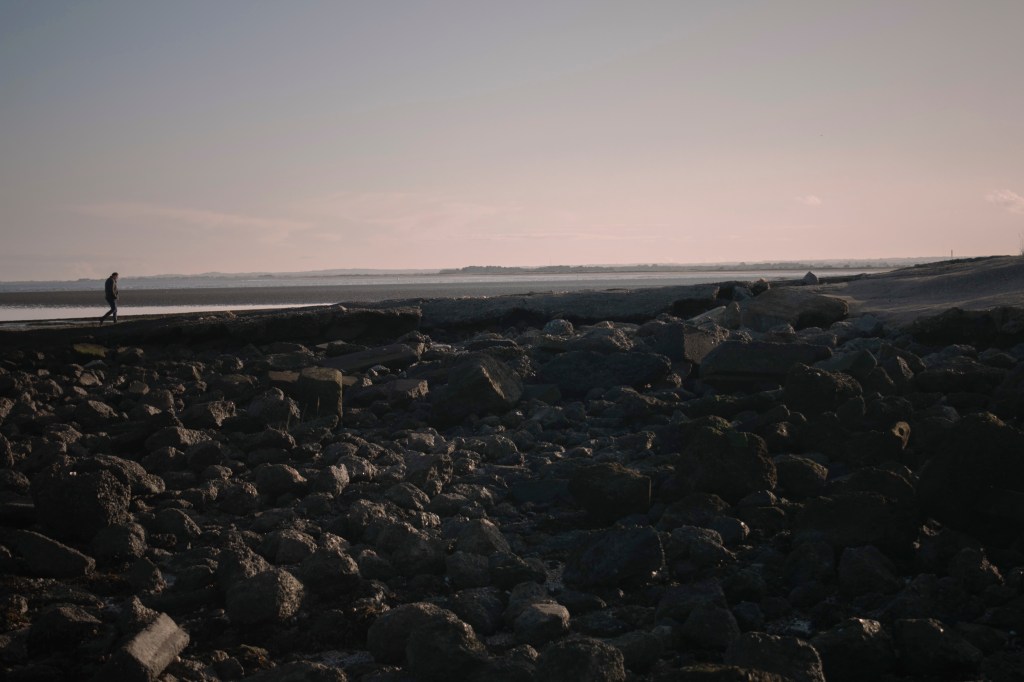
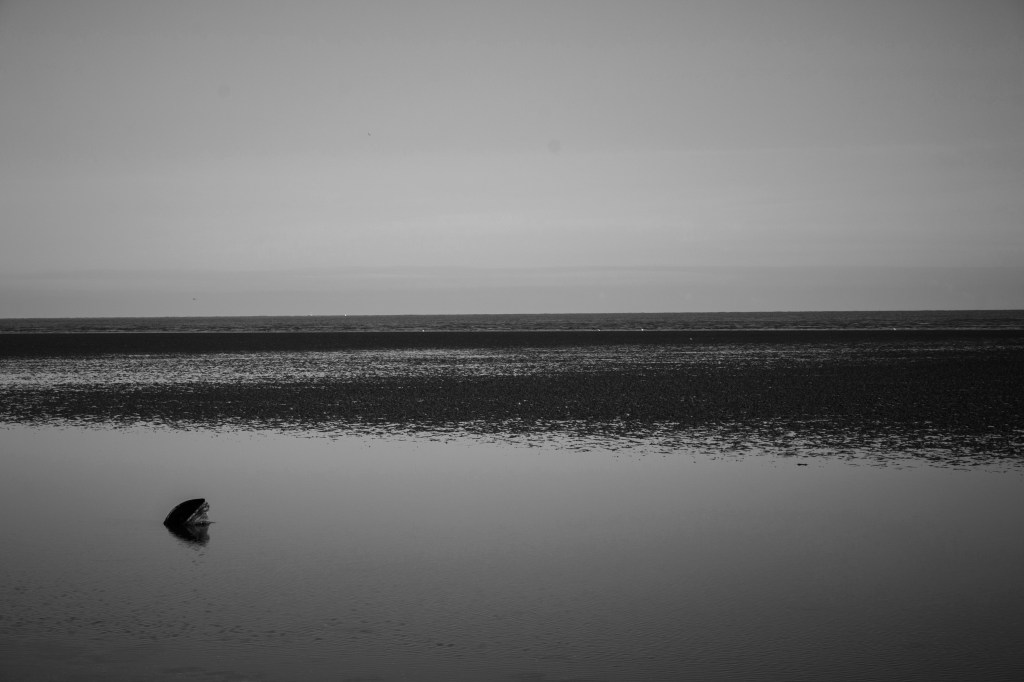
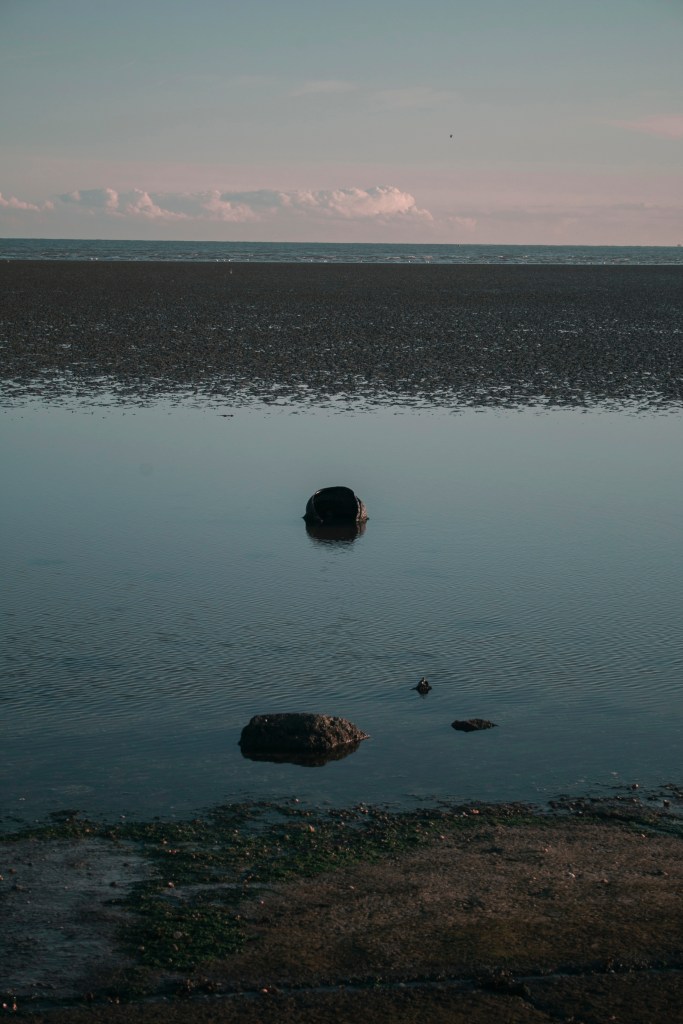
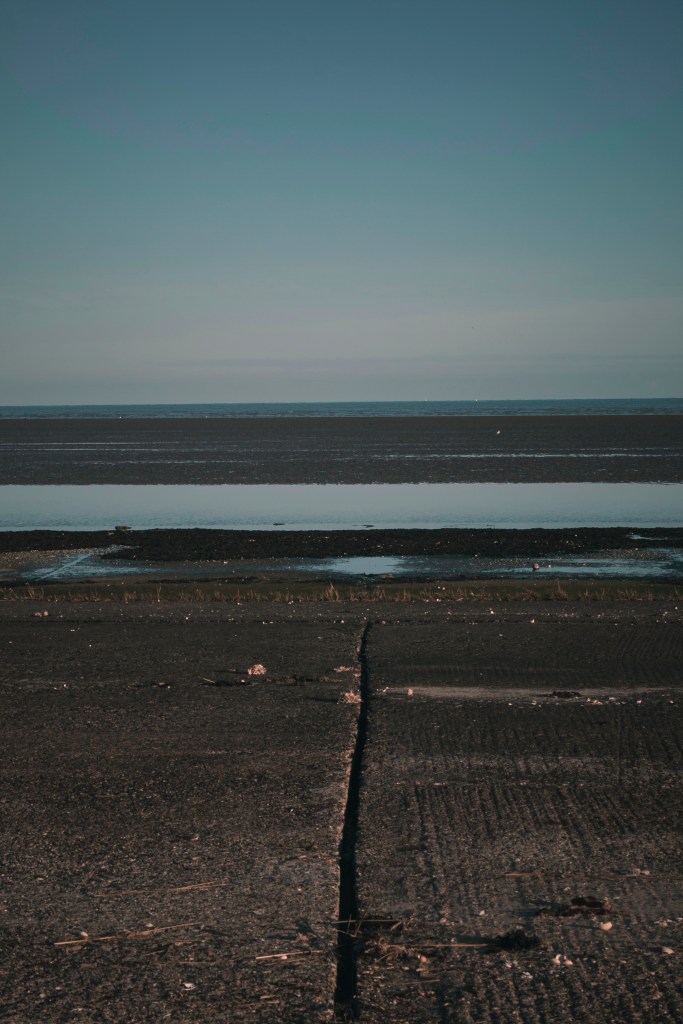
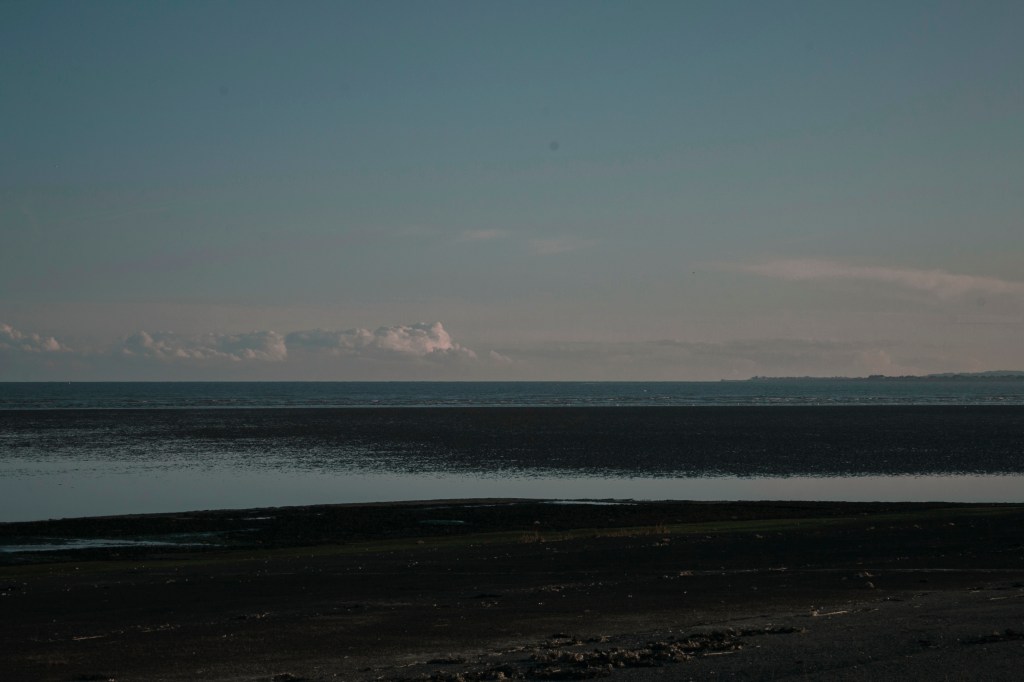
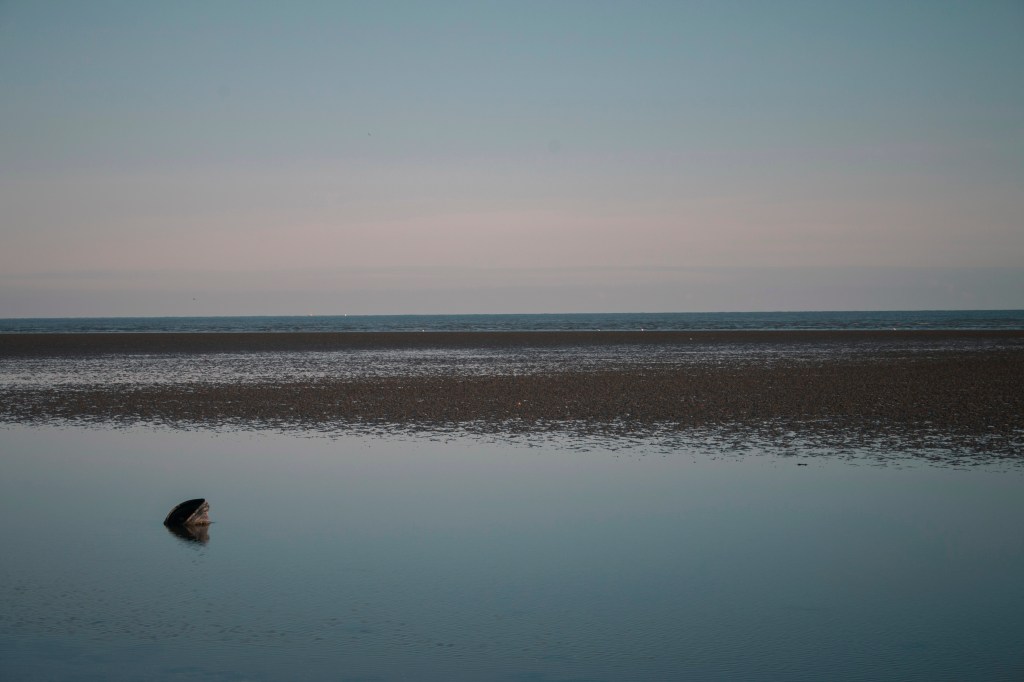
Overall the experimental shoot went well, though not all of these photos are landscapes, they are involved with the environment around them. While shooting, I was looking out for texture, reflection in the water, simplistic objects, and shape etc. On the day of the shoot, I went in the late afternoon, so the lighting would be softer and dimmer. And this works out nicely with some of the images.
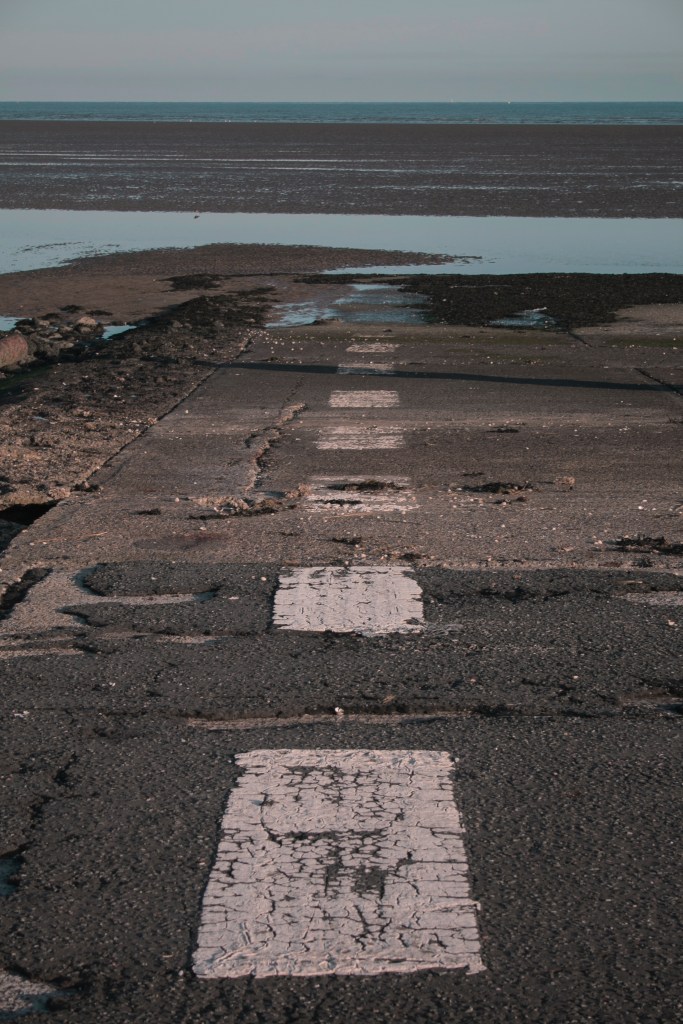
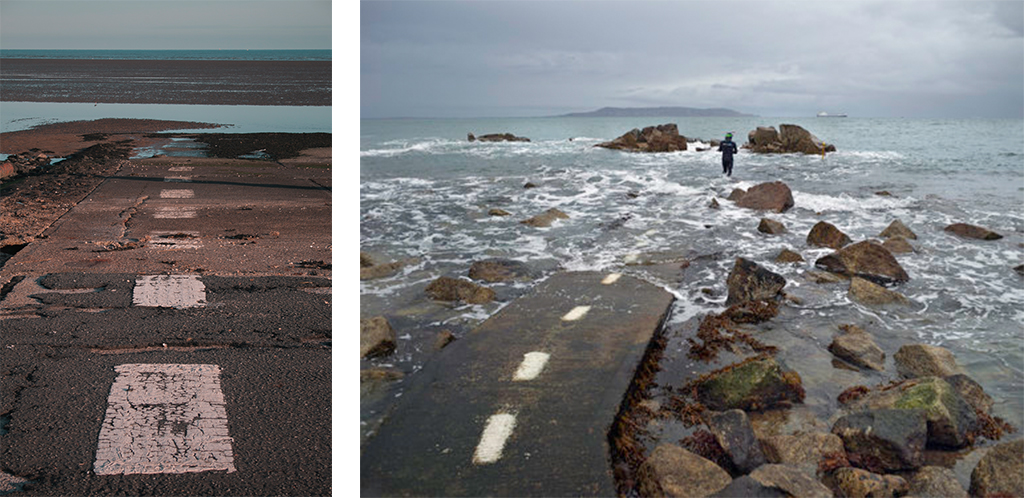
It was only after editing this image and went back over my research, I coincidentally noticed that it was a bit similar to Carl De Keyzer image ‘Sandycove, Ireland’.
The painted lines were some of the remains of the hoverport, which looks like that in De Keyzer image that that road was the remnant of something.
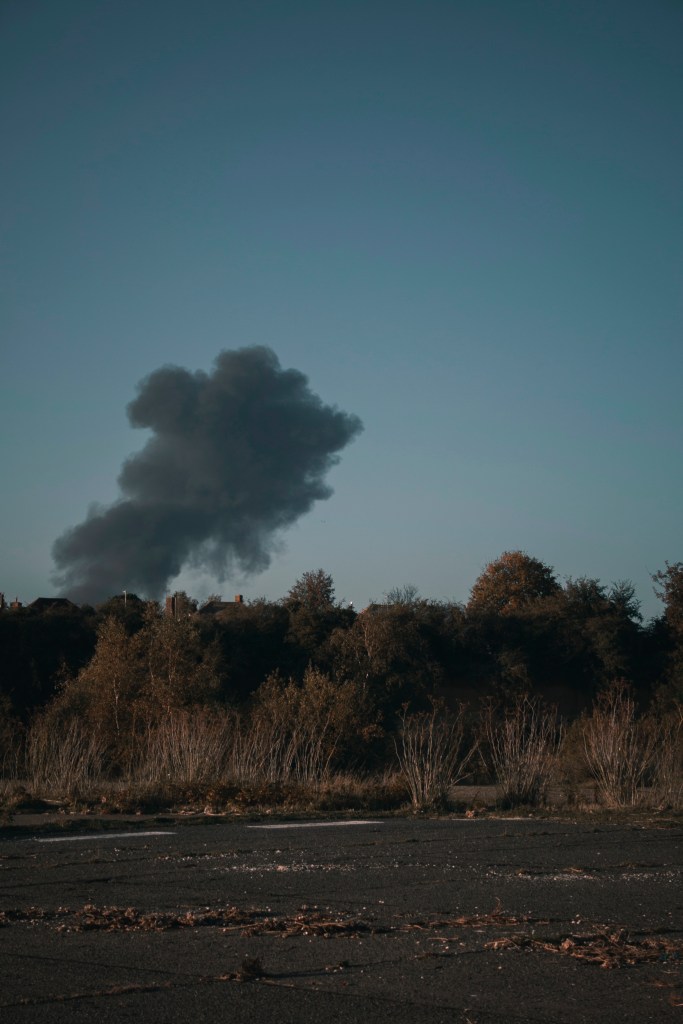
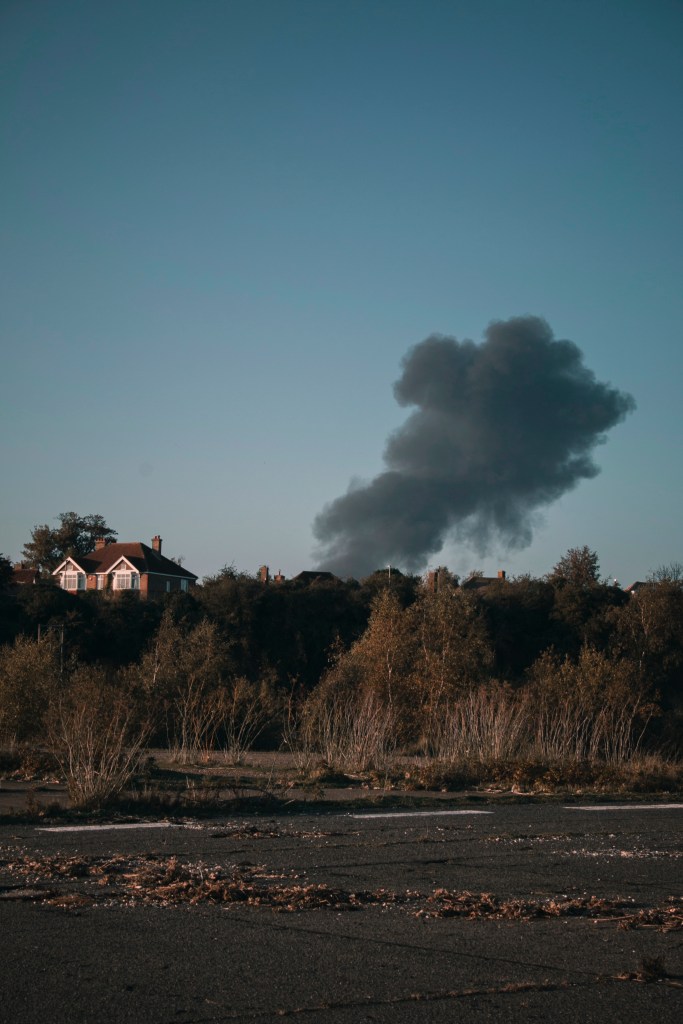
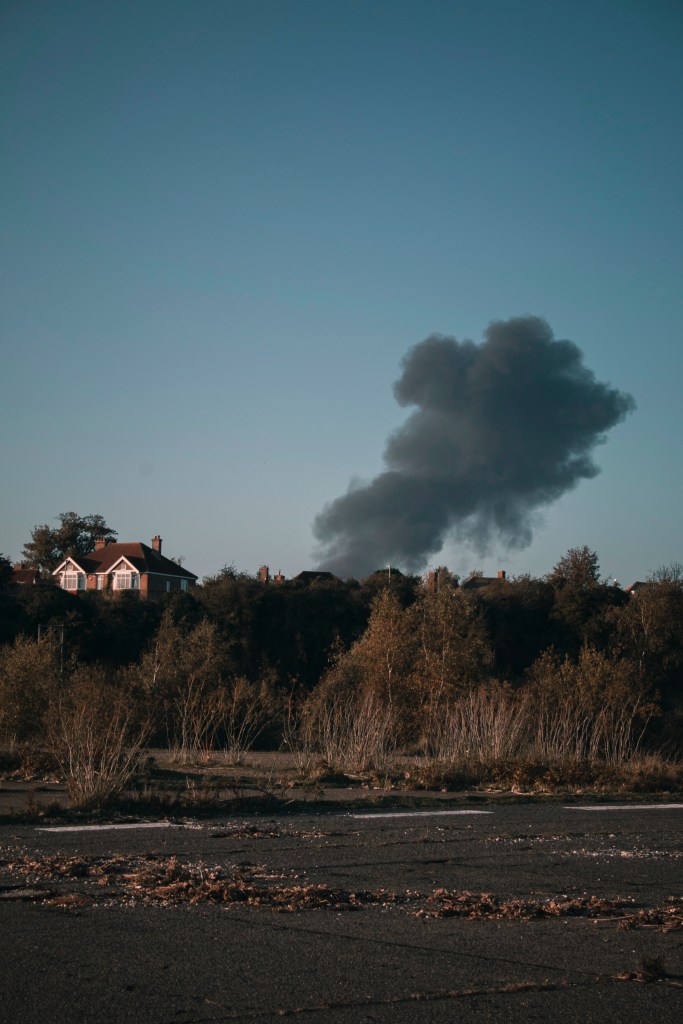
This is one of my favourite images from this shoot, the fact I got this image was by luck. I was on my way back to the car, finishing with the first shoot, and noticed this. The sky was clear, and the smoke got more prominent but also going away fast as well. So I quickly got this shot, not thinking that it was a big deal of an image. But while editing it, I began to see a story and character within it, and the use of negative space in the sky, I feel really works, drawing your eye to the smoke.
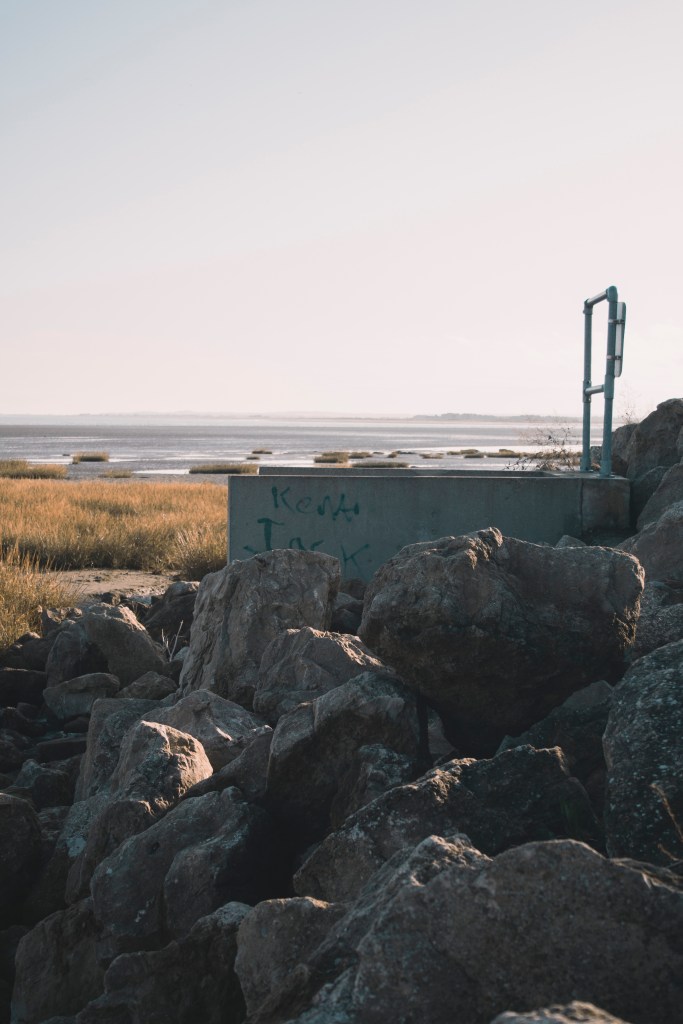
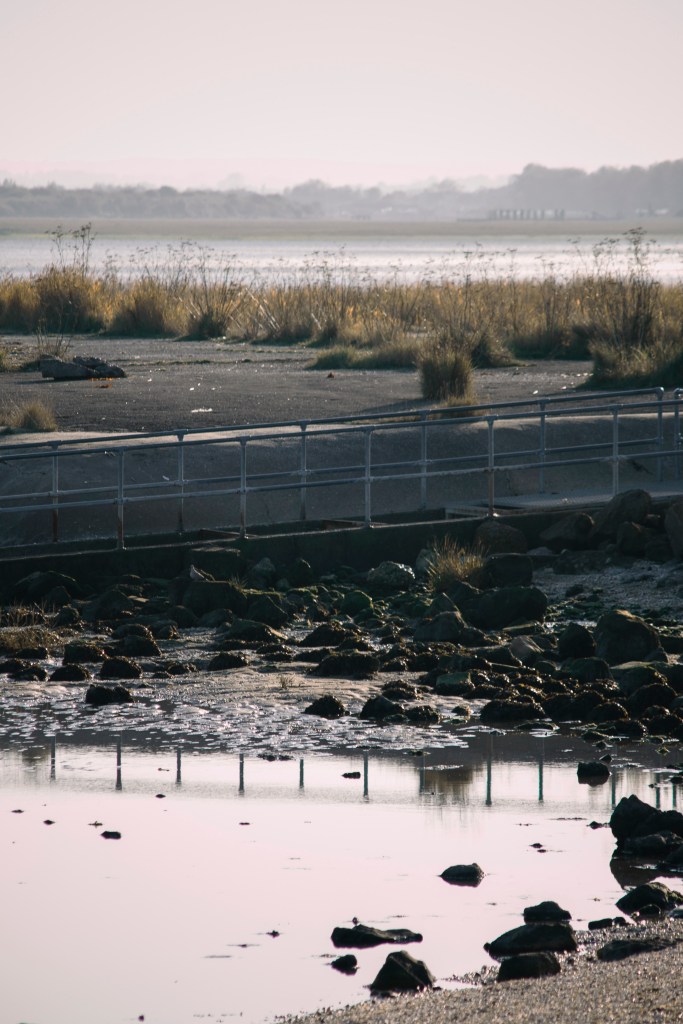
Some of the photos I took obviously didn’t work out, for example on my contact sheet it shows some images of a bridge/drain thing, with metal bars around it. I wasn’t sure if it was part of the hoverport or draining, but it was abandoned and had decayed over the years. But at the end of shooting at different angles and heights, it didn’t work out.
I have three initial ideas to take the theme environment, from looking at research, creating mind maps and mood boards. I have taken inspiration from different photographers that have shaped my creative process along.
IDEA 1 –
LANDSCAPES
My first idea has taken inspiration from the two photographers that I researched, Marc Wilson and Carl De Keyzer. Both of these photographers have a similar theme about them, a seascape environment. I like the idea of my four final photos having a related link between them.
Traditionally landscapes are photographed in the rural sides of the planet, for example, the countryside. Not meaning cites untouched areas. On the other hand, areas that have been touched by man, but the environment has taken over it, or decayed it away over time. Like Marc Wilson work with the Military structures, where the coastal environment has slowly deteriorated away from the object. Even to find something similar to the idea that the natural environment has taken over if you give it time.
The two locations I’ve thought of trying, a rural coastal nature reserve area and the other is a seaside pier. The nature reserve is one idea because it is untouched and preserved in its natural form. The other is a pier location, this could be interesting because this has people interaction, but the beauty of the sea and a natural form still.
IDEA 2 – ENVIRONMENTAL
PORTRAITS
Taking inspiration from Niall McDiarmid, environment portraits are something different. Photographing a person can tell a story and say a lot from the environment around them. Through this idea, it can show a person life or their way of living, and it could be a great idea to show what people can be like in that particular area. Or my local area. For this concept, I would have to think about the location, and what type of people I want to photograph.
IDEA 3 –
PLACES
My third idea is title places, this covers a broad spectrum of areas. Place could be a home, or it could be an outside building, so the architecture. To me, if I went with the idea of photographing the outside of a building, I would do it in the style of street photography. Looking for all the critical aspect of the environment around me and using formal elements to make the images even better.
On the other hand, if I photographed someone inside their home, it would be more relaxed, and I wouldn’t want to staged anything. I would want to keep it real and exciting to the viewer. The person I could photograph could be the elderly or family. It also doesn’t have to be people in the photograph; it could be peoples possessions. A series of shooting someone’s possessions could make up a story, and the audience starts to build up an idea of what these people like, has, and what their environment is like.
If I have time, I would like to explore and do a test shoot for each idea, so this will allow me to get an idea of what area I would like to go down for my final four images. I think all three concepts are broad and different and can be challenging in their own way. For each idea, I would have to plan carefully about locations, equipment etc. So far from looking at inspiration and researching other photographers, I am leaning towards idea 1.
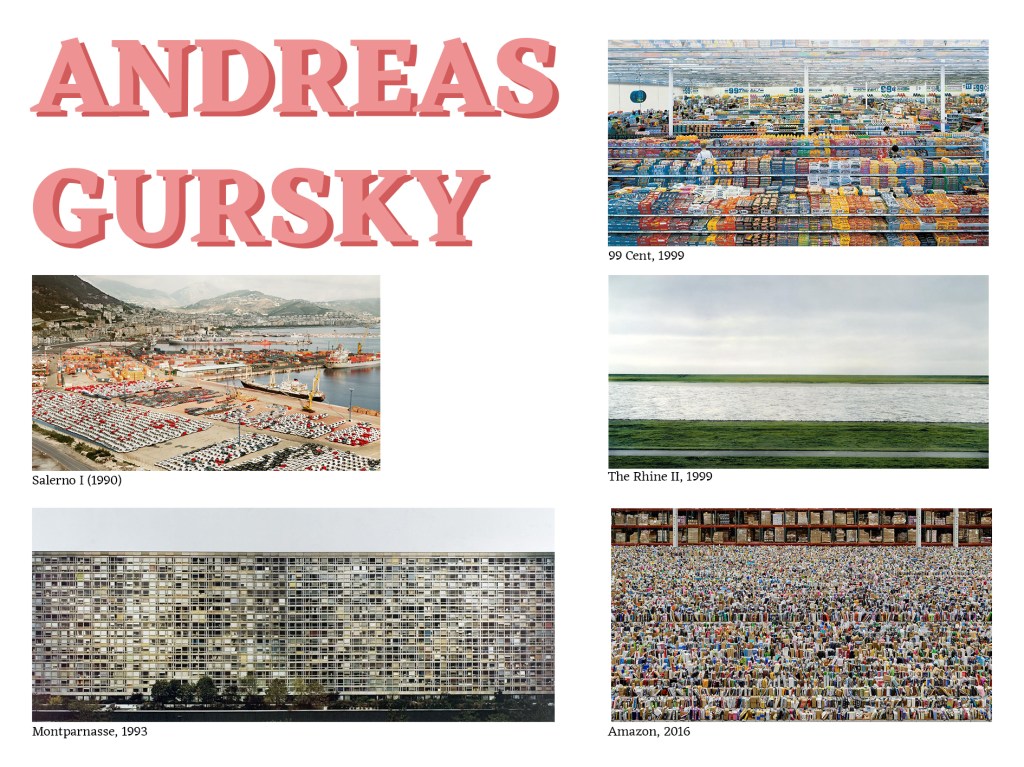
German photographer Andreas Gursky is best known for his large-format landscape and architecture photographs. Gursky uses a high point of view and finds places to photograph with mass consumption, as you see in the images above. For example, the photograph ‘Amazon, 2016’ uses mass consumption, where Gursky digitally stitches and layered together photographs to create one big image. The attention to detail, even to the smallest items, makes a big difference. It makes the viewer’s eye pulled in to look at everything, and this makes it slightly overwhelming.
In another photograph of Gursky, ‘Montparnasse, 1993’, Gursky took the 750 flats from a hotel lobby from the other side of the street, in which he used the same technique of stitching together photographs to create one big one. This image produces so many shapes, almost beehive-like, but when you look closer and see the individual cluttered interesting lives happening, it produces a “beautiful confection” (The Art Channel, 2018). The scale of architecture, landscape, and an urban scene in the modern world, draws your eyes to the individual windows, and you start to see how people fill up these spaces. This image is including an enormous superstructure, which fills up the entire space and horizon of the image. From the viewpoint Gursky took the photo, he plays with perspective, which helps emphasis the image.
The photo ’99 Cent, 1999′, is an “inventory of our
consumerism” (The Art Channel, 2018). As Gursky increased
the colours of the image, it makes the image more bold and powerful. It reminds
me of looking at the candy shop pick ‘n’ mix wall when I was a child. It’s an
impactful image because the eye doesn’t know where to look, because of all the
bold colours, shapes and rows. To me, it is estranging, but so nostalgic at the
same time.
What is interesting is that Andreas Gursky says
“I’m not interested in individual lives. I’m interested in
the way we live; we work, we consume, the way we move through
spaces” (Andreas
Gursky).
You see that within his work, it’s simplistic but busy at the same time. I would want to try to take photos from a high viewpoint, to try to capture different peoples living environment.
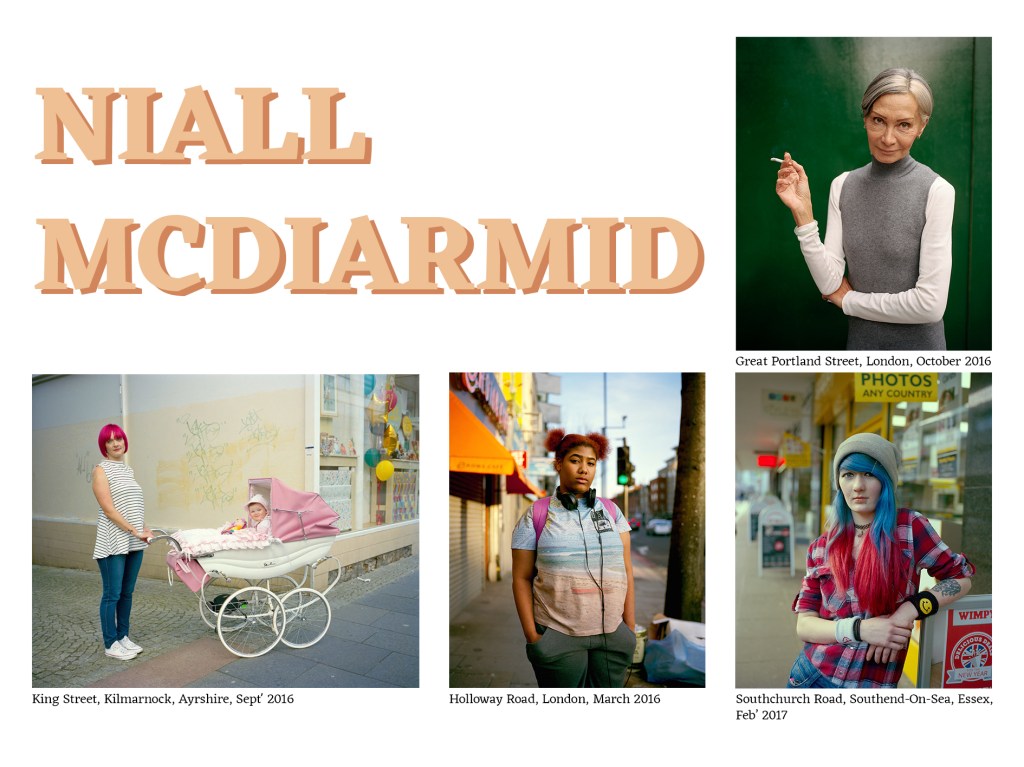
Niall McDiarmid is a Scottish photographer, where he documents “the people and landscape of Great Britain” (En.wikipedia.org, n.d.). In his work the arrangement of colours with the people are fascinating, even sometimes it happens by chance. For example, in McDiarmid book ‘Crossing Paths (2013)’, the image above ‘Southchurch Road, Southend-On-Sea, Essex, Feb’ 2017′. In an interview with McDiarmid, he mentions that when he took this image, it was by chance, McDiarmid asks the girl to stand there, with her parents behind him, McDiarmid said he couldn’t miss this opportunity with a girl who looks cool like this. What’s quite ironic is that the word ‘photos’ at the top, but also the word ‘wimp’. Implying that she is not a wimp, she is fierce from the way she looks. In this image, the colour palette works well, from her outfit and hair to match the sign. And the yellow smiling face image matching the rest of the building. In most of his photos, the subject is always looking down the barrel of the camera. With their personality, stare and look. He is always looking for a pop of colour, whether if it’s in the foreground or the background. What’s interesting is that none of the subjects seems to feel awkward; they seem comfortable. Because McDiarmid never wants the subjects to pose, he wants them to act themselves. Even if that’s through a blank face, not smiling or frowning, their personality comes through. Their personality comes across in his photos, again in the photo above ‘Holloway Road, London, March 2016’, even though she is not smiling and has a blank face, you can see and feel the attitude come through. From the outfit, the way she is standing and her background.
McDiarmid style and eye for spotting the people and placing them in their environment, is inspiring, the photos are clean looking, in where he must have used a lower aperture, to separate the subject from the background. However, I like it how he hasn’t put the aperture too low, where you can still see the background and work out where they are. It’s having the confidence to ask people to photograph them, and not taking too much of their time up.
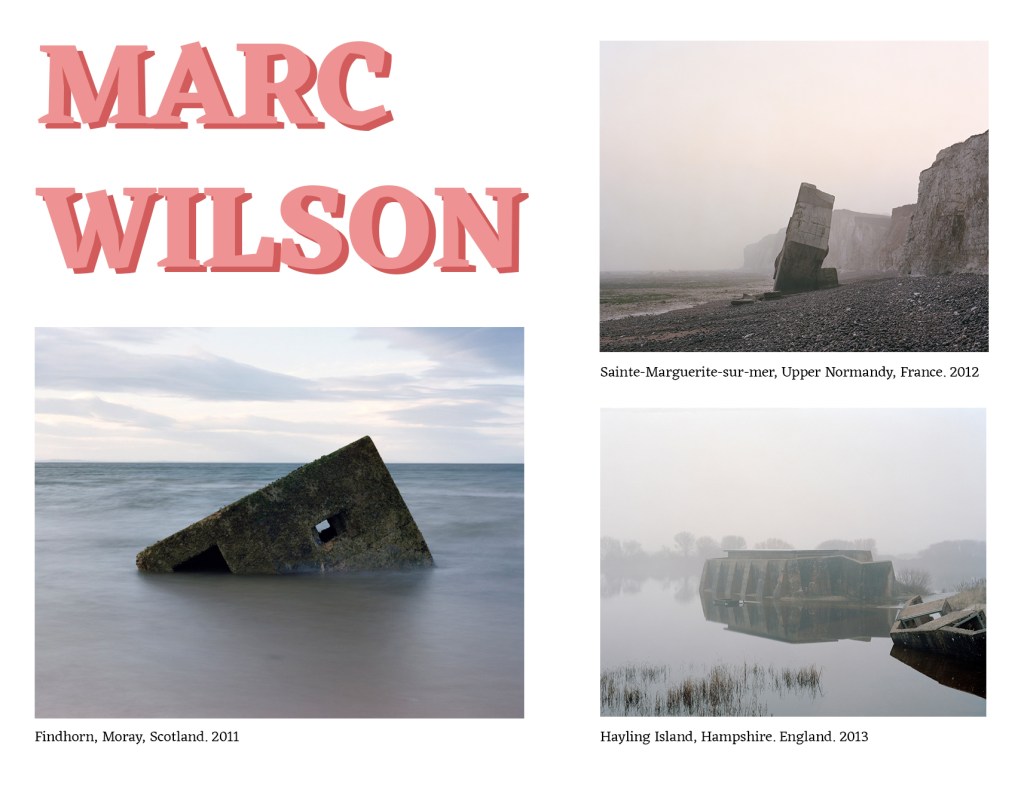
English photographer Marc Wilson photographs and “documents the memories, histories and stories that are set in the landscapes that surround us.” (Marc Wilson Photography, n.d.). When Wilson works on his documentary projects, he spends a long time creating them, the images above are from a book called ‘The Last Stand’, which Wilson completed in 2014.
“Marc tells stories through his photography, focusing at times on the landscape itself, and the objects found on and within it, and sometimes combining landscape, documentary, portrait and still life, to portray the mass sprawling web of the histories and stories he is retelling.” (Marc Wilson Photography, n.d.).
In the images above, I mention they are from ‘The Last Stand’, they all have a military aspect to it. As time passes, these military structures become more and more critical. They were constructed over 50 years ago and for a different purpose. Because as time passes, the memories of structure/history disappear, and the lives that were involved all start to pass away.
“It works like this that becomes more important each day.” (Marc Wilson).
To shoot these images, Wilson used an old large-format film camera, and when he takes the photos, he waits for the perfect condition. This condition is a soft, subdued light, not a sunrise or sunset because he doesn’t want to add any “extra drama” (Marc Wilson) to the image. Because the structure (subject) itself doesn’t need more drama to it. In most of his pictures, you can see that he also shoots in foggy, sea mist conditions or a “very flat soft grey light, early in the morning so there are no people about” (Royal Armouries, 2013).
But what’s interesting is that these man-made defences sit quietly in the environment. Some are in better condition than others and slowing decaying away from their surroundings. But all structures have become factors of changing the landscape around them. Wilson has produced images that make the structures look calm and beautiful, even though thats not what they were intended to be used for, for war. Wilson wants these images to become a permanent photographic record of the past. To each structure has a history of stories to tell, “one of unfulfilled defiance or one of tragedy” (Shetland Arts, 2016).
Findhorn, Moray, Scotland, 2011, (found in the image above), is really simplistic and a beautiful picture. My first thoughts are that it is really calming, even though that structure was not used for that (juxtaposition). It is calming because Wilson has used a long exposure, so the sea/waves have become milky and soft. Making the texture of the war structure stand out even more. Both a rough, jagged object against a delicate, gentle sea wave really works. Even the shapes produced, for example, the horizontal line in the background that breaks the sky from the sea, and the triangle shape created from the war structure. However, even though his images are simplistic, I think going simple is sometimes more beautiful and picturesque.
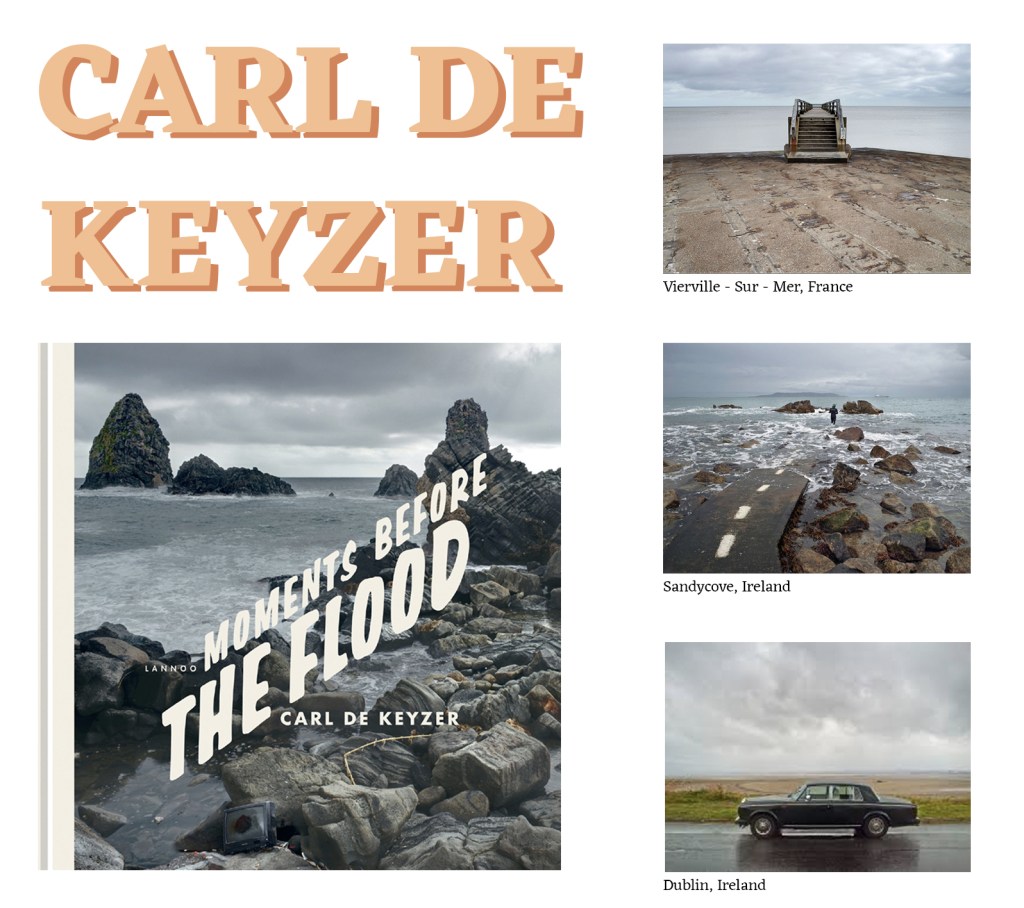
Carl De Keyzer is a Belgian photographer, and his project ‘Moments Before The Flood’, (shown in the image above), shows his journey along the European coastline. De Keyzer had travelled more than 82,000 miles and visited more than 5,000 locations, for this project, resulting in a big success.
The series is about how he “examines how Europe copes with hard to predict threats – that is rising the sea level” (fotofestiwal, 2015). This is due to climate change. But De Keyzer also researches different prevention strategy of the coastline over the years. And how Europe will cope with the potential floods in the future and now.
As you can tell for De Keyzer books, his projects are not composed of single images, but he prefers a collection/series. This is what I’m working towards, creating a set of 4 images. On the other hand, they all connect/links together because of the coastal/sea theme. Which tells a story and makes it interesting at the same time, what is something I want to do within my work.
Carl De Keyzer work does remind me of Marc Wilson in some ways. They both involve or have the sea/coast in their images. For example the picture above ‘Vierville – Sur – Mer, France’. But the big difference between the two is that Carl De Keyzer images have a sign of life. Not all of his image has people in them, but people possessions. For example, the picture above called ‘Dublin, Ireland’, even though it is simple, it has a sense of life and journey.
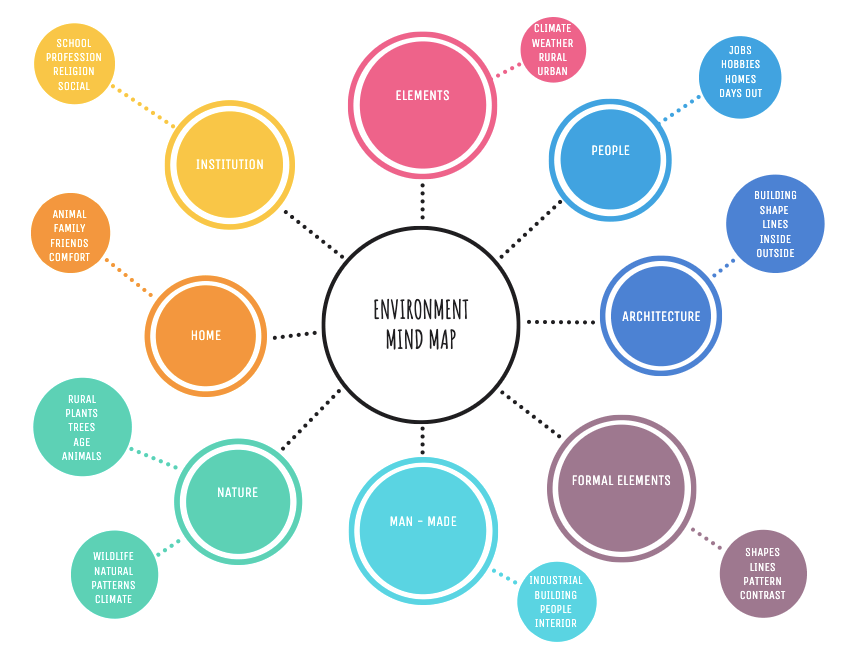
To start off generating ideas, I have created a mind map and mood board, for my first initial thoughts on the theme of ‘environment’. For the mind map, I thought about living and natural environments. Then from the mind map taking certain words, e.g. people, architecture, man-made and nature, and finding photography in the style of these words for the mood board.



 SARAHLOCKYERUCA