As this project has the task of creating our website, I am going to use the research I used of layout and design to create my own. I am using WIX to design my site on, and I aim to make it clean and simple. Below are videos I used to help me create it, along with workshop tutorials to help.
SCREENSHOTS
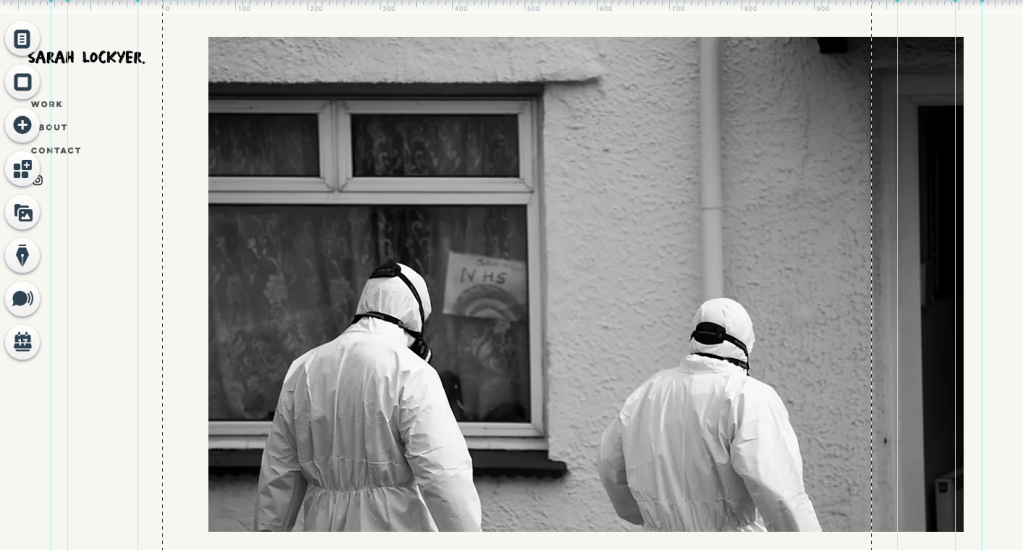
After a lot of changes and layout designs, I finally finished the initial layout, below are screenshots of the different pages.
FRONT PAGE LAYOUT
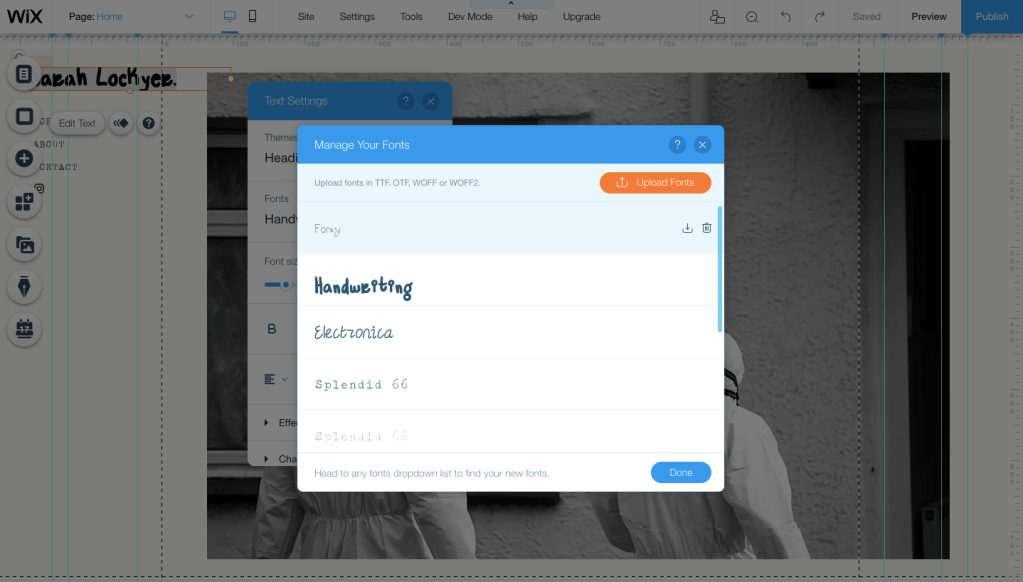
UPLOADING FONTS TO MAKE THE HEADINGS STAND OUT
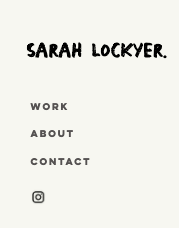
FINAL SIDE BAR
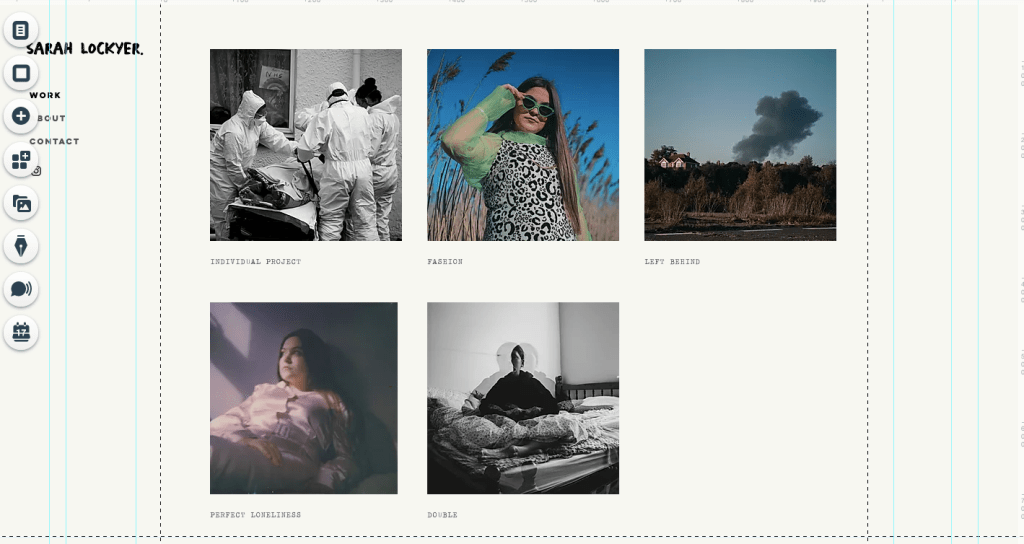
LAYOUT OF WORK PAGE
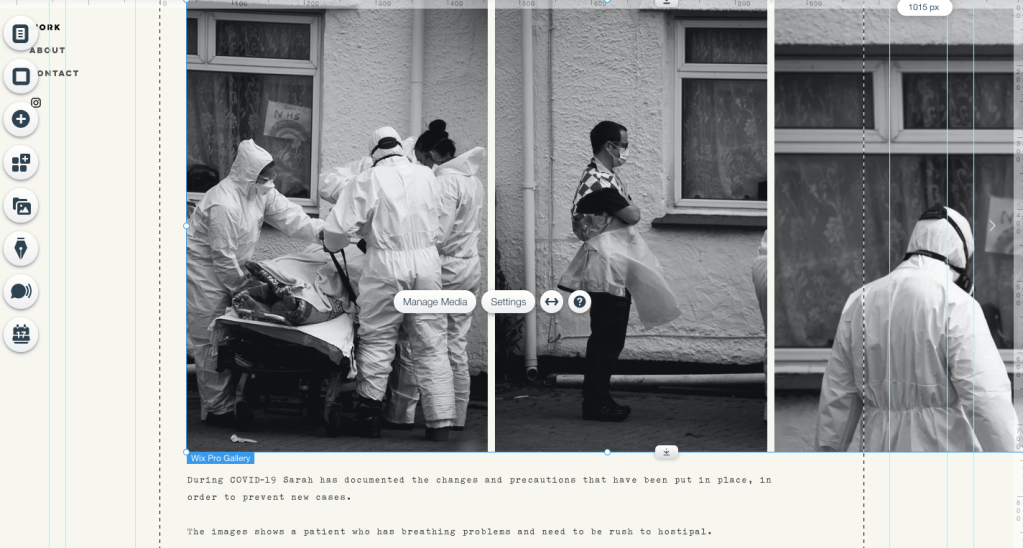
LAYOUT OF PROJECTS PAGES
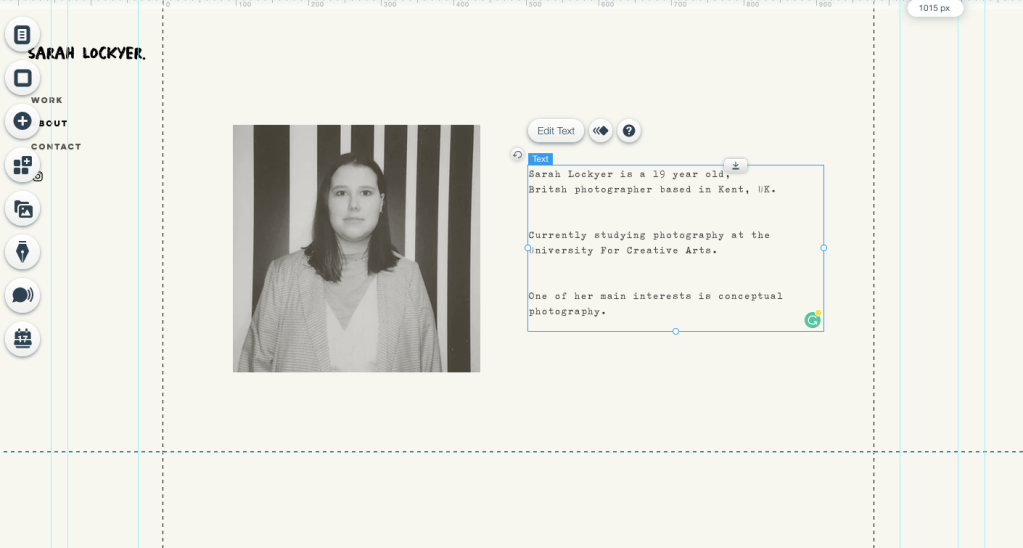
ABOUT PAGE
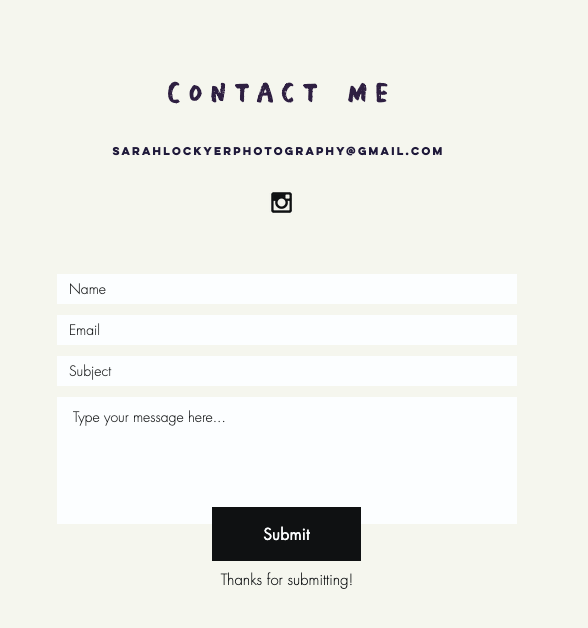
CONTACT PAGE LAYOUT/DESIGN
EVALUATION
Overall building this website was reasonably easy to do; WIX is a great tool to use for beginners. However, as I am perfection, it was hard for me to complete my site, or be happy with the layout. I restarted my site layout over and over, then remembering in my research that the simplistic sites were different better in my eyes. This is what leads me to my final website. Another problem i encounter was choosing what images to put on the site, as I have a project from uni, but also personal projects that I have done—but also deciding how many to put up, what to show.
Researching another photographer website helped in this project, giving me ideas, but also do’s and don’t’s of sites. In the end, I am happy with what I have achieved, not just with my website, but also with my work progress over the past year, allowing me to present my work on a professional website.
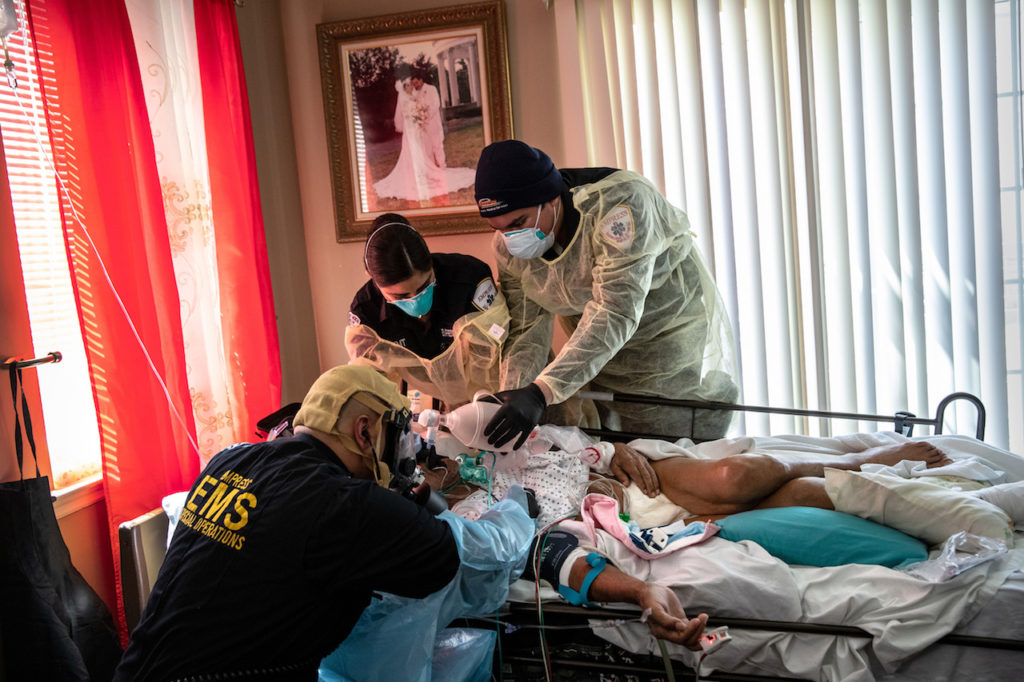
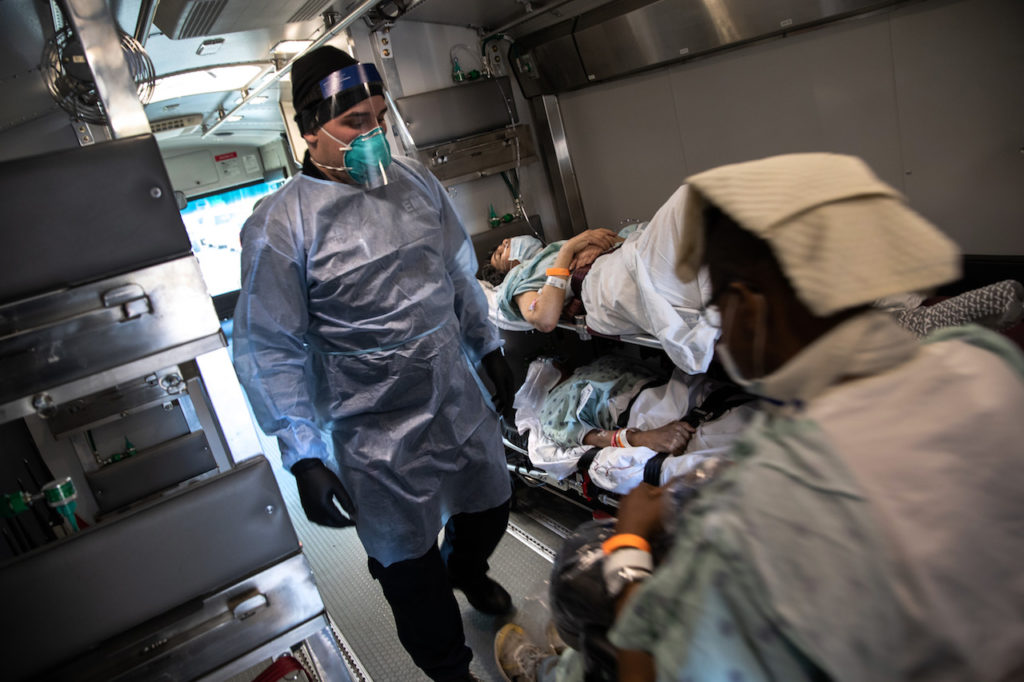
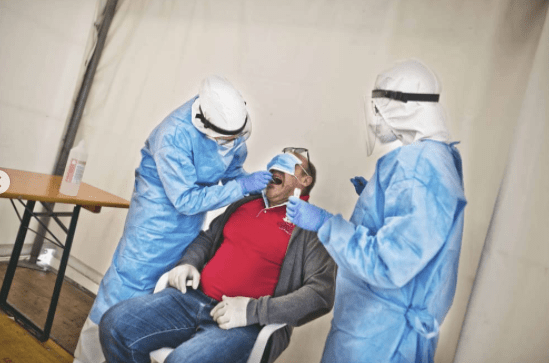
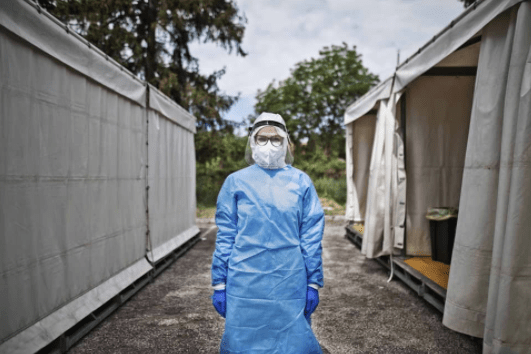
John Moore is the Special Correspondent photographer for Getty Images and was one of the first photographers to cover the 2014 Ebola outbreak. Through this Moore said that “I learned a skill set that I never expected to use in my hometown,” he says, as he reflects on the process of covering the coronavirus outbreak in New York.
It was a helpless and horrible situation, but Moore felt it was important to document, and through it, he learned how to best protect himself and others on the frontline of an outbreak — “A skill set that I never expected to use in my hometown, but here we are,” he says.
“Over the past week, the state of New York has rapidly become the epicenter of the coronavirus (COVID-19) pandemic. At the time of writing, there have been over 200,000 confirmed cases and 14,000 deaths, 12,000 of which have been recorded in New York City. Moore, who is a special correspondent for Getty Images, has been covering the outbreak in the suburbs of the city, in his hometown of Stamford, Connecticut, and Yonkers, New York. “There is a saying that when New York coughs, the suburbs get a cold,” he explains. “There are many brave journalists doing important work in New York City, so I’ve tried to concentrate on peripheral areas that are also highly affected, but under-covered in the media.”
“It’s our job to find ways to tell stories, even with the restrictions in place, and to do it in a way that respects humans as individuals”
I believe in the statement above when documenting someone as tragic and serious as this; you still have to record it in a way that is tasteful and respectful. When I do my images, I would want to have this in mind when shooting, but also trying to achieve the best I can to tell the story to the viewer. The camera angles Moore uses allows the viewer to see whats is happening in the image, but shooting in such a way, that you only see parts of the patient. Like the feet and arm. Bringing the focus back onto the doctors and nurses.
VITTORIO AULENTI
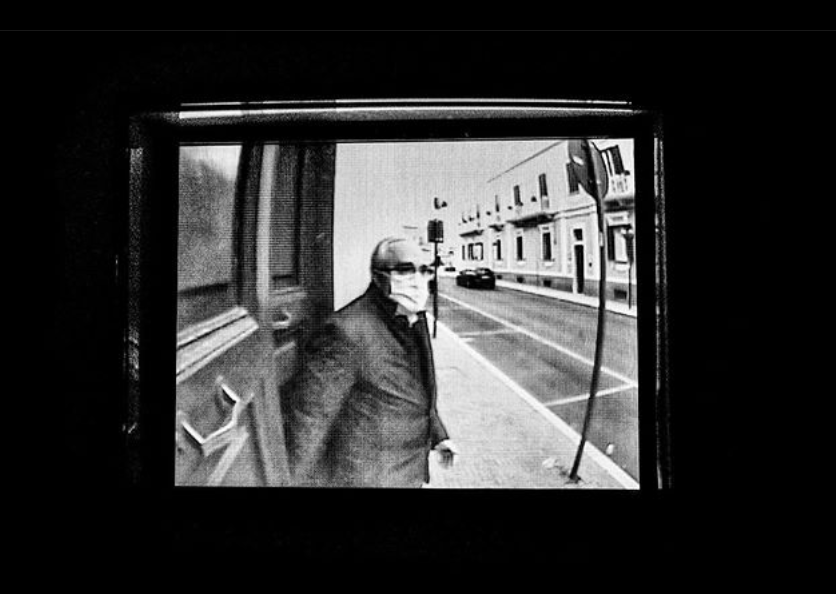
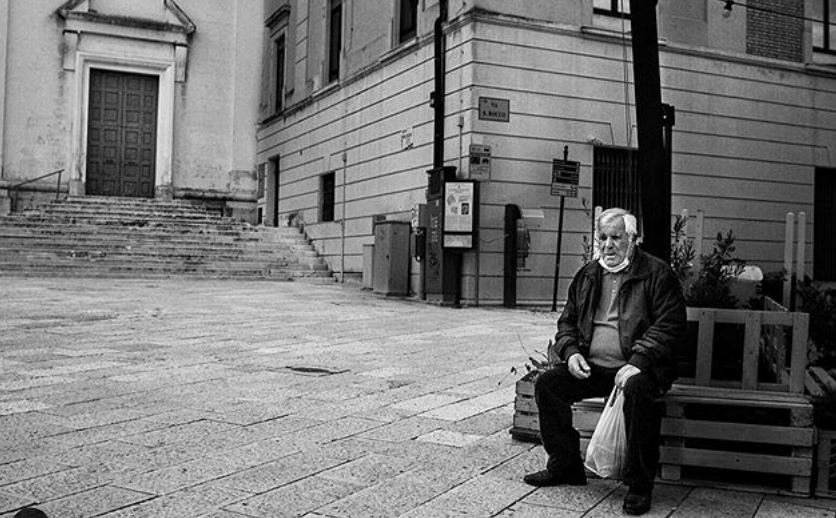
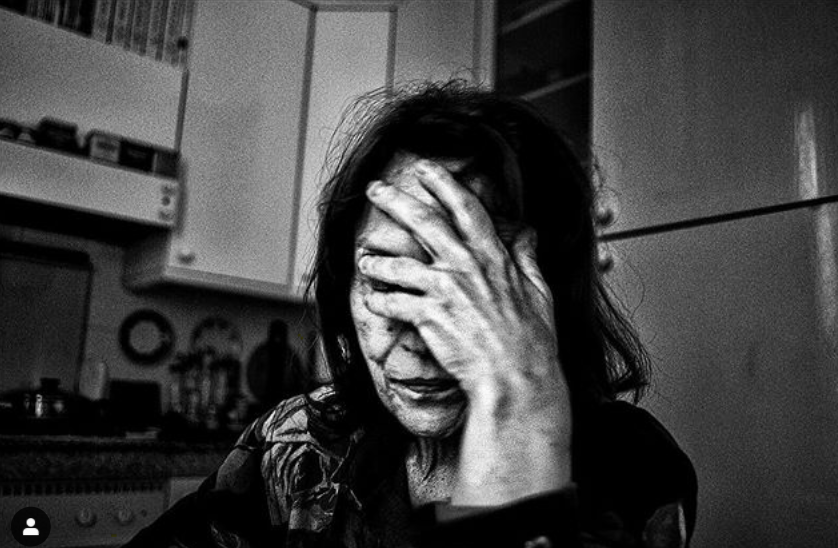
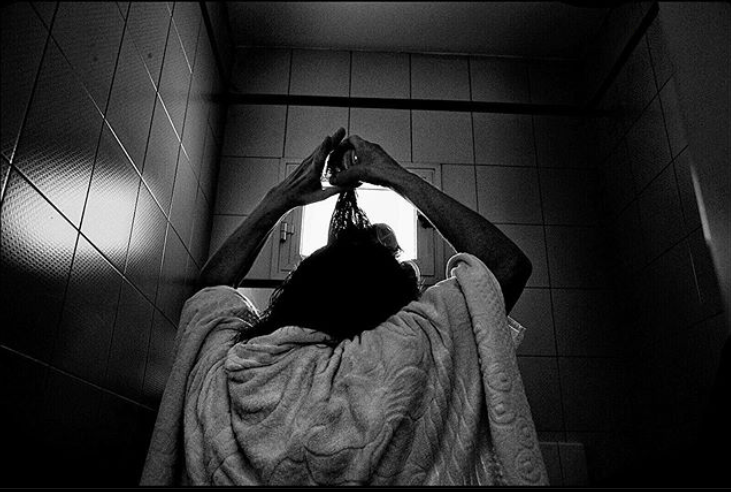
On the other hand Vittorio Aulenti is an Italian documentary photographer, photographs the impact on the everyday people and new daily struggles due to COVID-19. Aulenti loves to describe the world and human’s behaviours in a grainy and sharp way, all with a dreamy background of irony. A few years ago Aulenti started working with black and white film, which represents for him is the best way to photograph and render the reality for what it is: beautiful, imperfect, difficult.
The grainy black and white images, enhance the detail of emotion and defines certain parts of the picture. For example, in the top right image, the hand are the main focus of this woman struggles within these weird, yet hard times.
ANDREA MANCINI
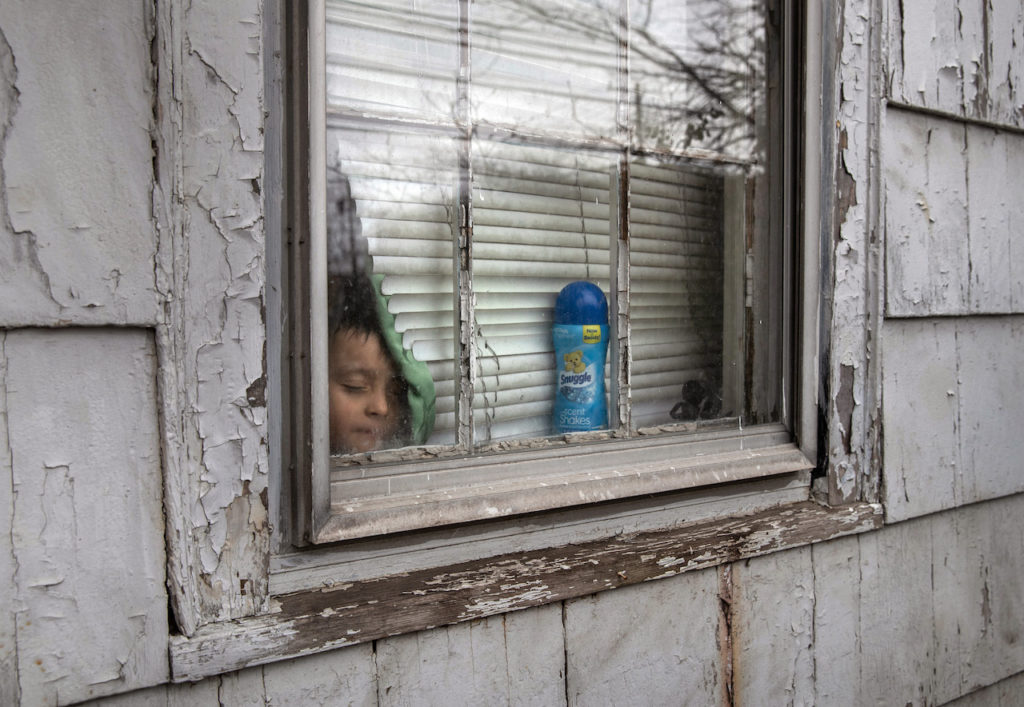
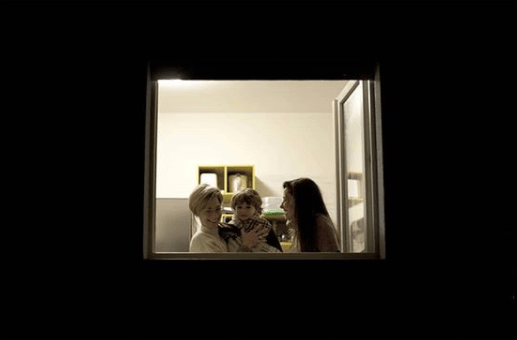
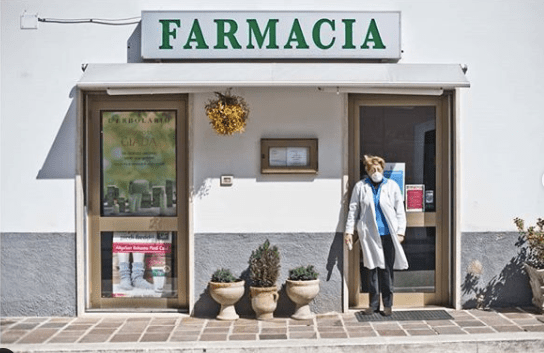
Andrea Mancini is a free-lance, photo-reporter, Italian photographer. Lately, Mancini has been documenting the different types of people during COVID-19. The people who still have to work and the people who are isolating at home. However, Mancini takes these subjects artistically and compellingly. By using the surrounding to shape the subject, allowing the subject to be the main focus for the viewer.
What I’ve taken from looking at these three artists, is that point of view is significant, and make an image even more powerful. Being respectful to the surrounding of what’s happening, but trying to capture a story of what’s happening.
In this unit, we have to produce our photography website, to do so, I am looking at other photographer websites and seeing all the design, layout and structure details together. Below are examples of people I look at, with concepts in mind I am going to put on my website.
KANNETHA BROWN
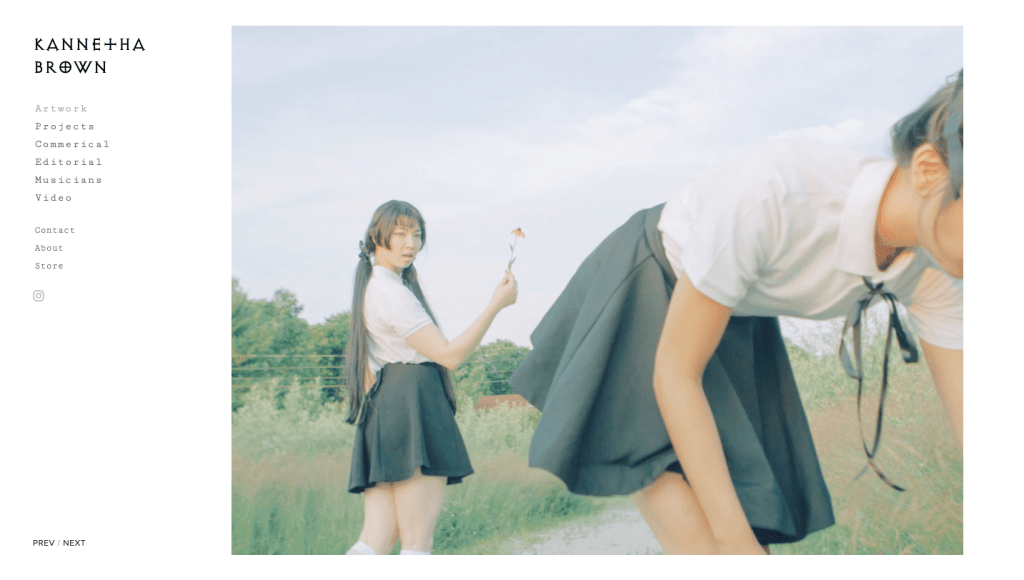
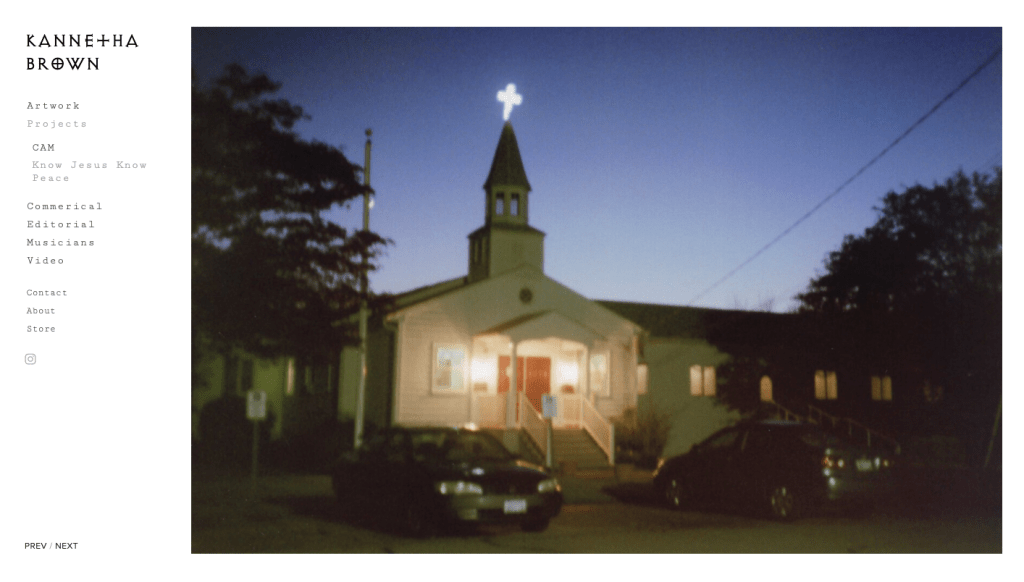
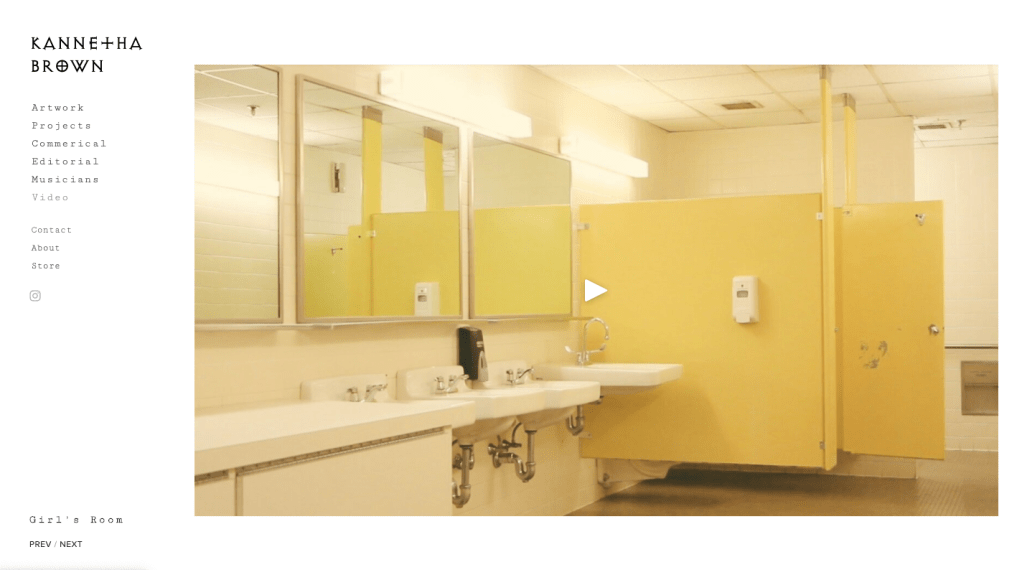
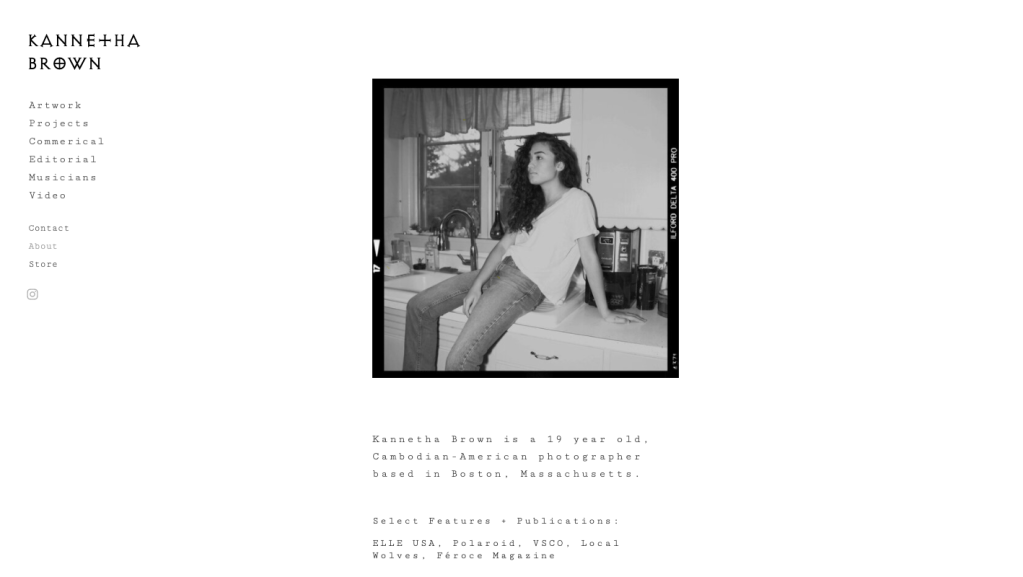
I follow Kannetha Brown on Instagram and loved the simplistic of her pages. The use of different, but minimal fonts makes it unique. But the layout makes her work stand out. Her page about me is also short and straightforward, which I like because as looking through lots of websites I see that some people write lots of small amounts. This may be down to age and lack of experience, but I feel that the audience is there to view your work, and perhaps don’t want a lengthy paragraph about the individual. On the other hand, if you have great partnership/clients or awards, I like the way Brown has display it, in a list format. Overall I love her website, with the choices of keeping everything simple.
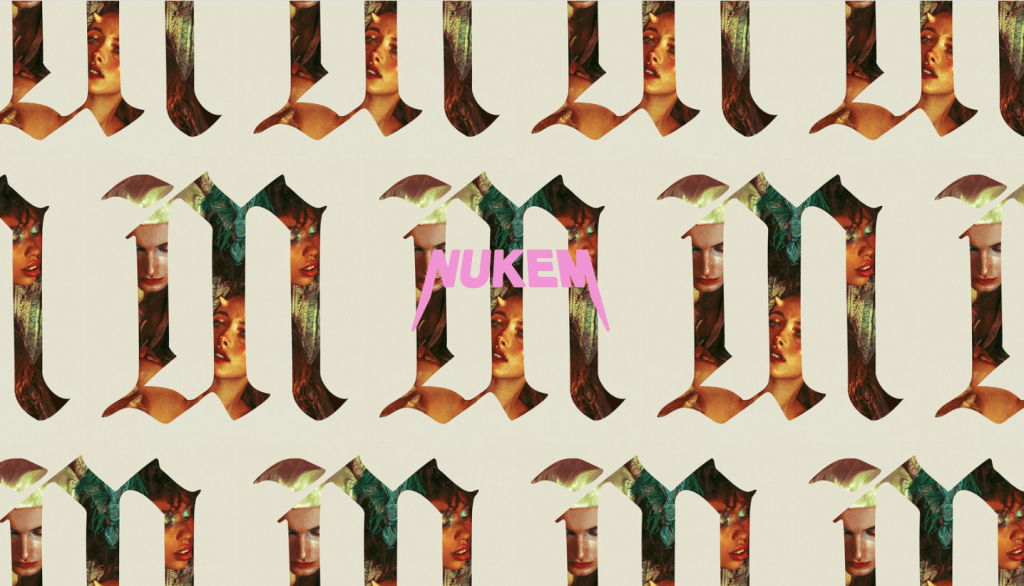
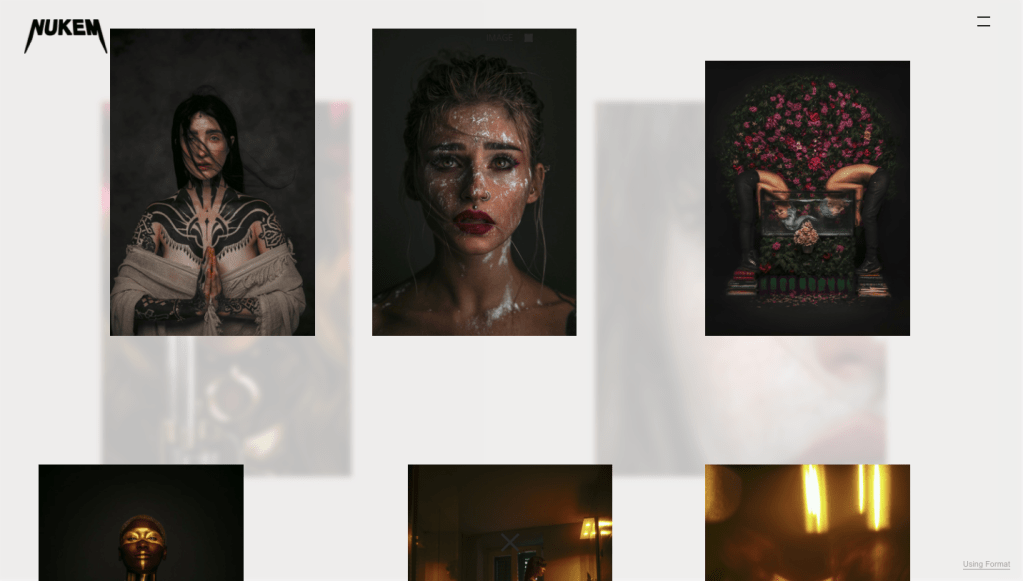
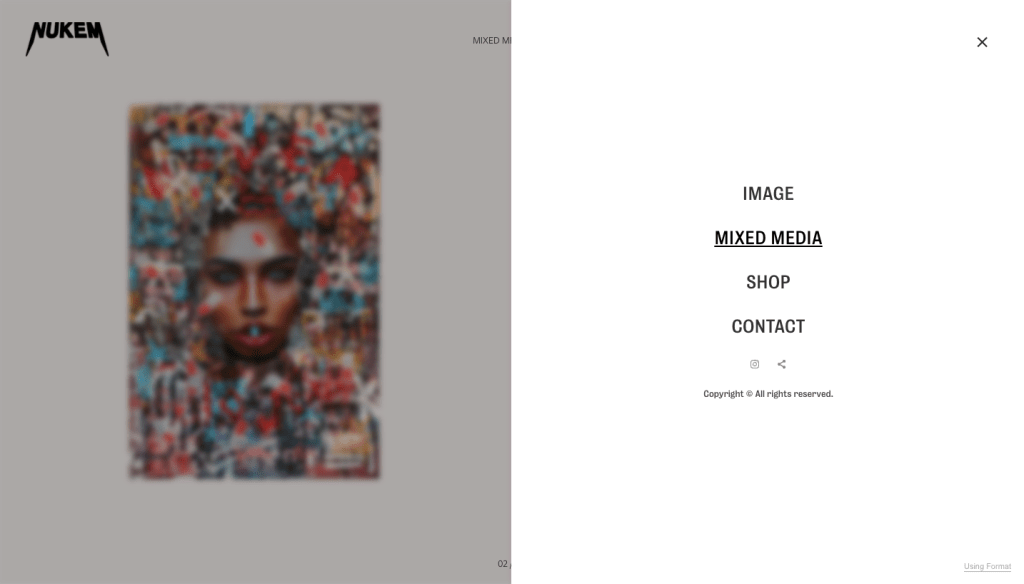
On the other hand, Haris Nukem website is the complete opposite to simple. First, as you open the site, you’re greeted with an intro page, which leads you into the main website, and then instead of scrolling down to looking the images, you scroll horizontally. Each photo is placed together with muted colour boxes, which somehow really works if you didn’t want to view it this way; there’s also an option to see it in a grid format.
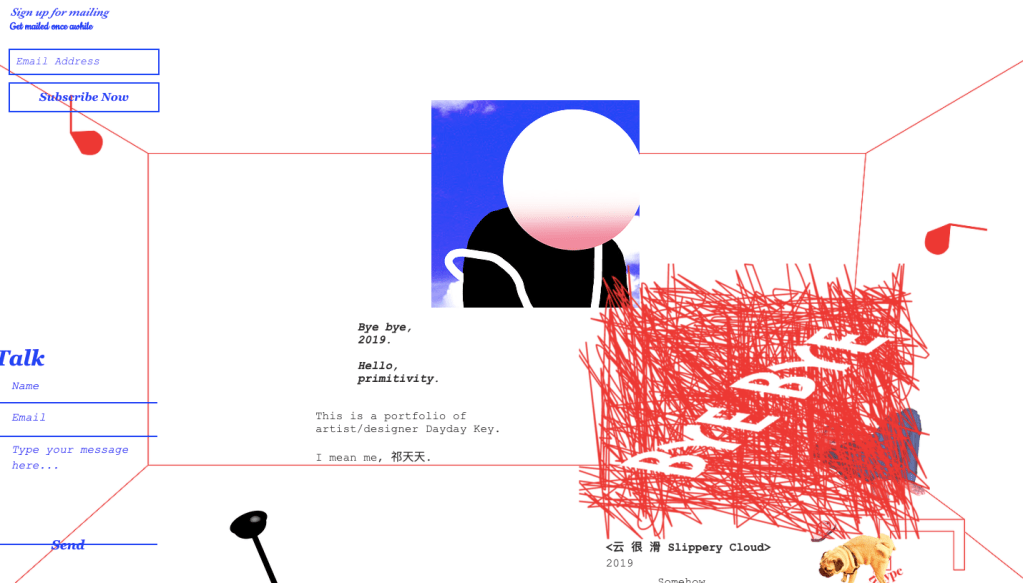
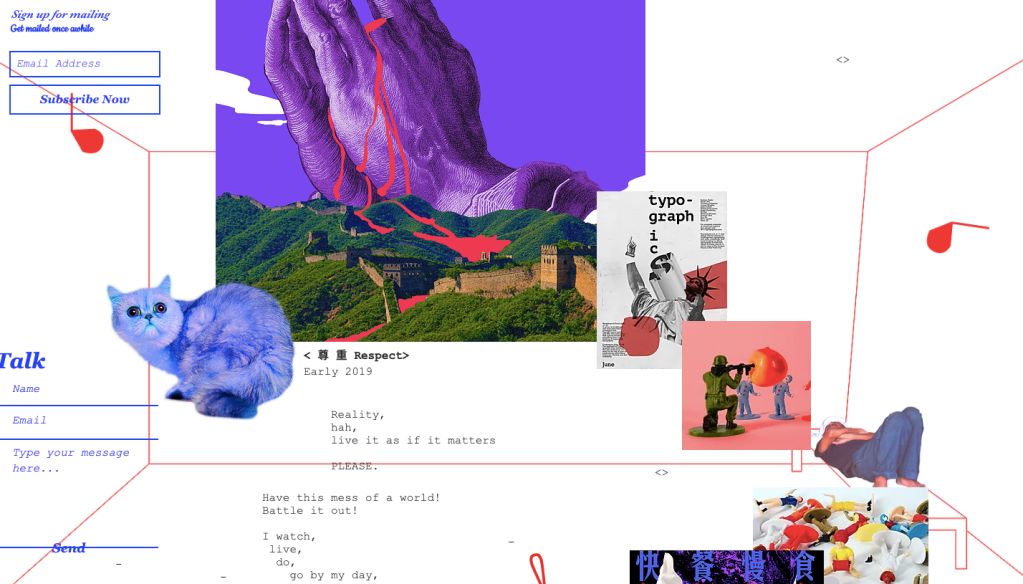
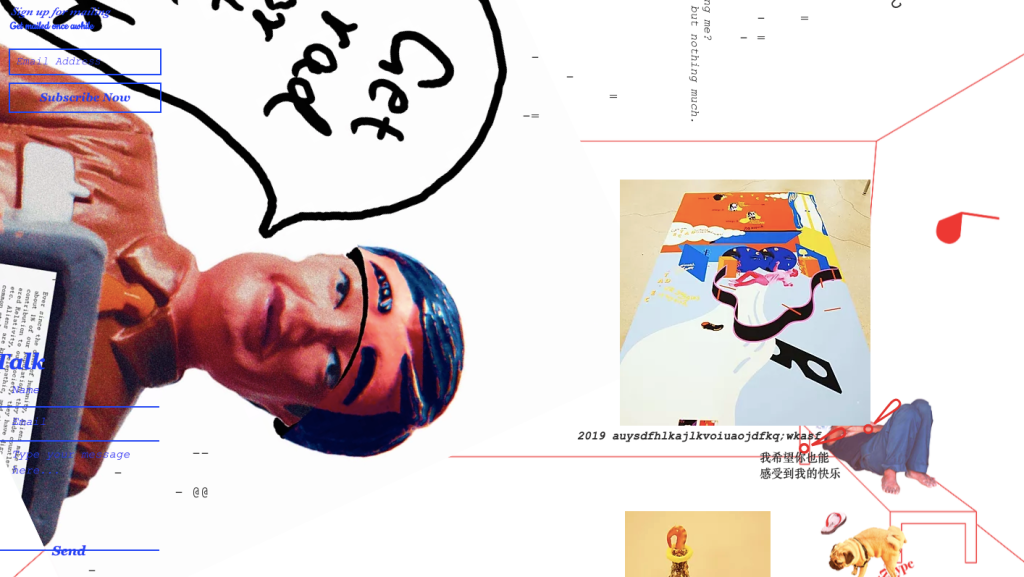
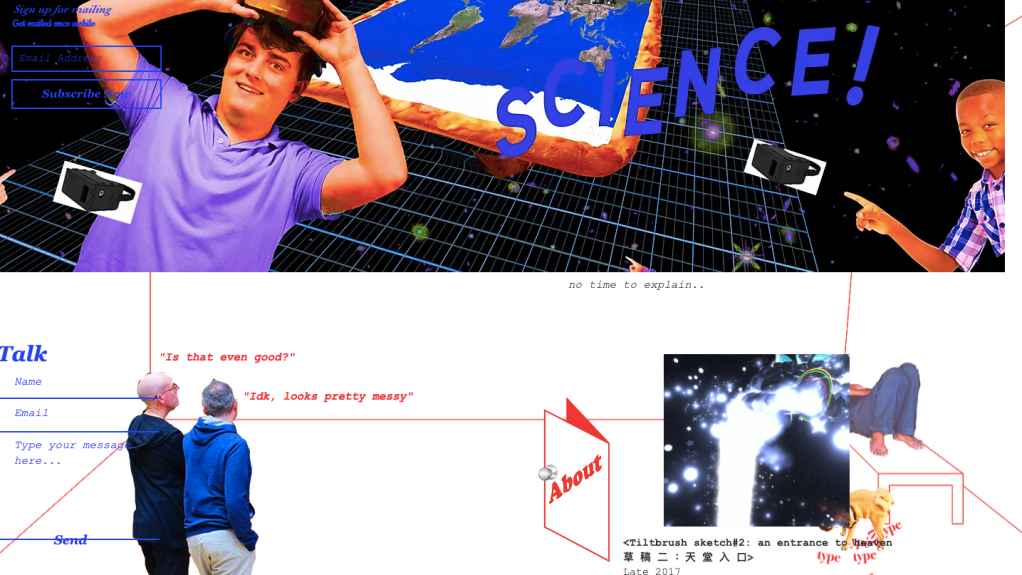
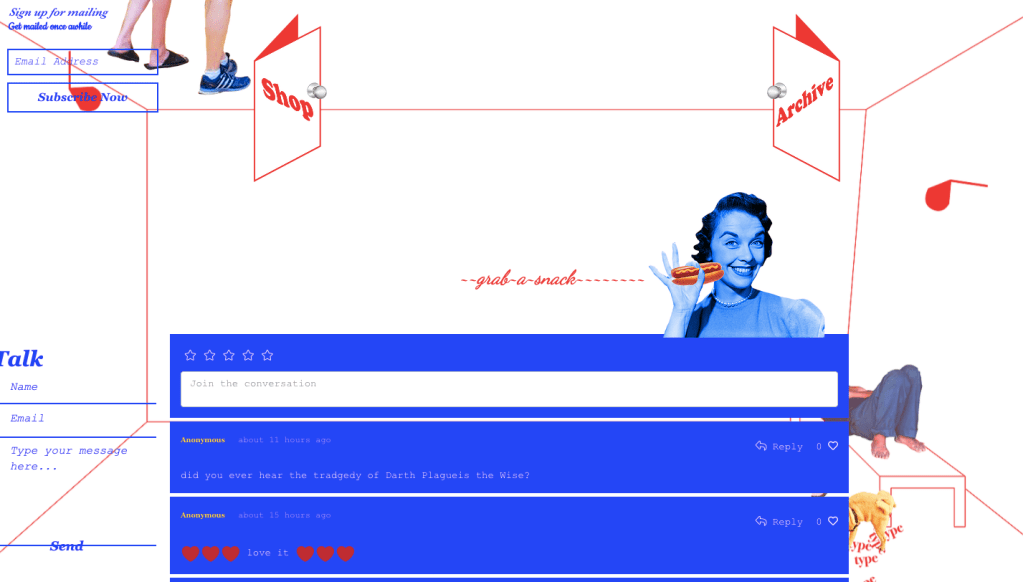
Even though this website isn’t directly photography, i appreciated the time and effort that went into building this site. It is so unique, as you scroll through you see a bit of work merge with little details about Soberika Leeway. I have never seen a website like this before, but it works.
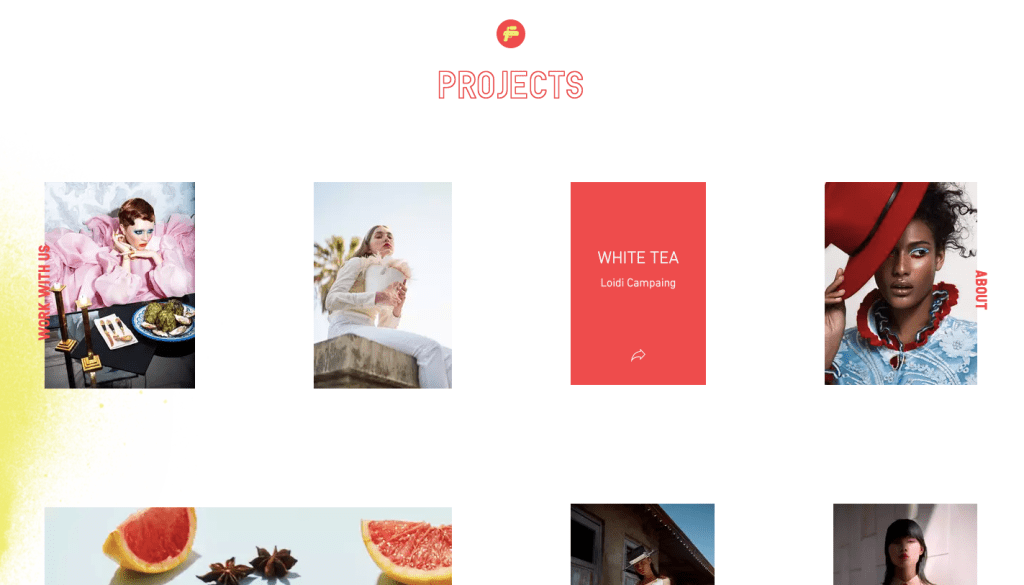
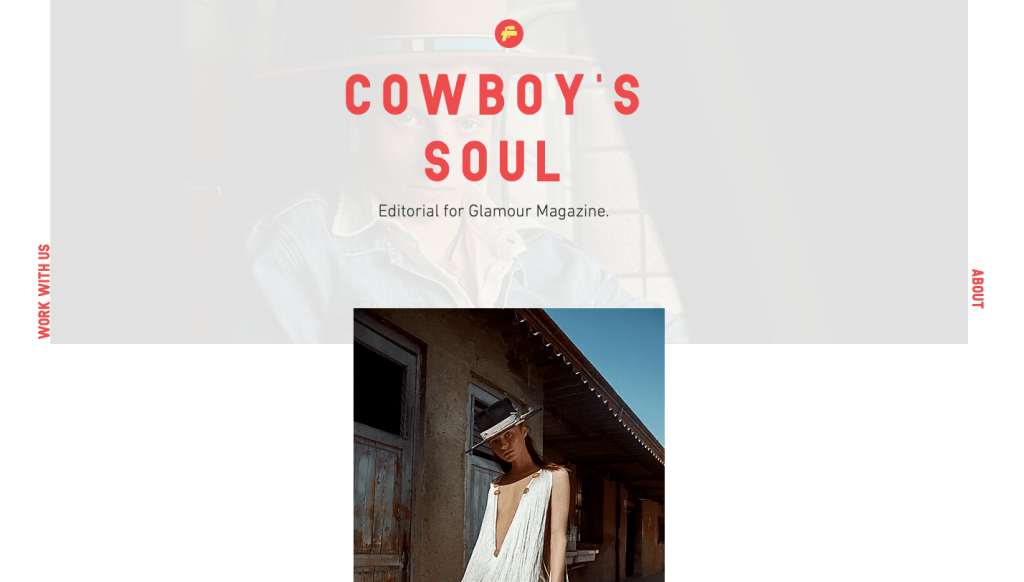
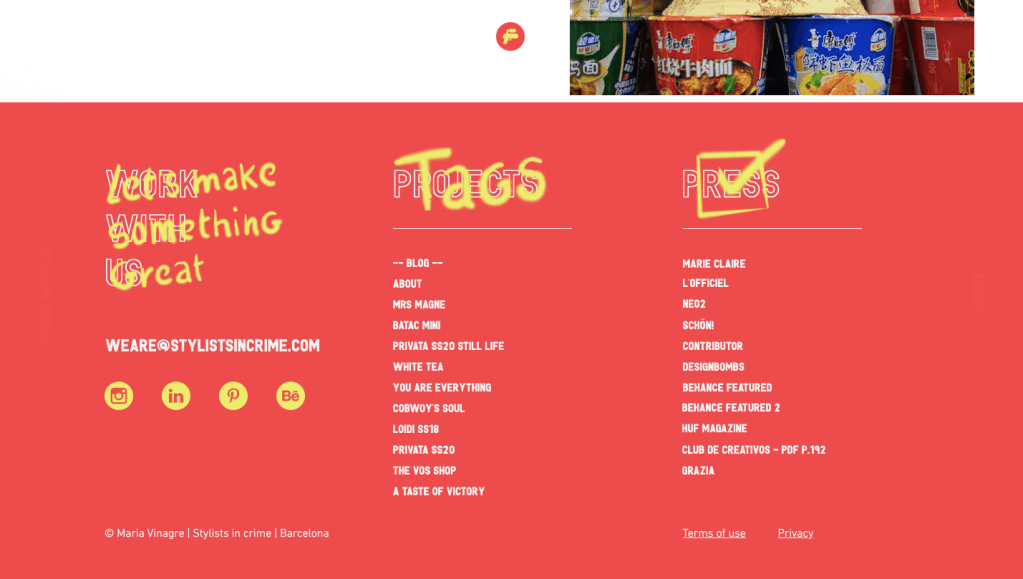
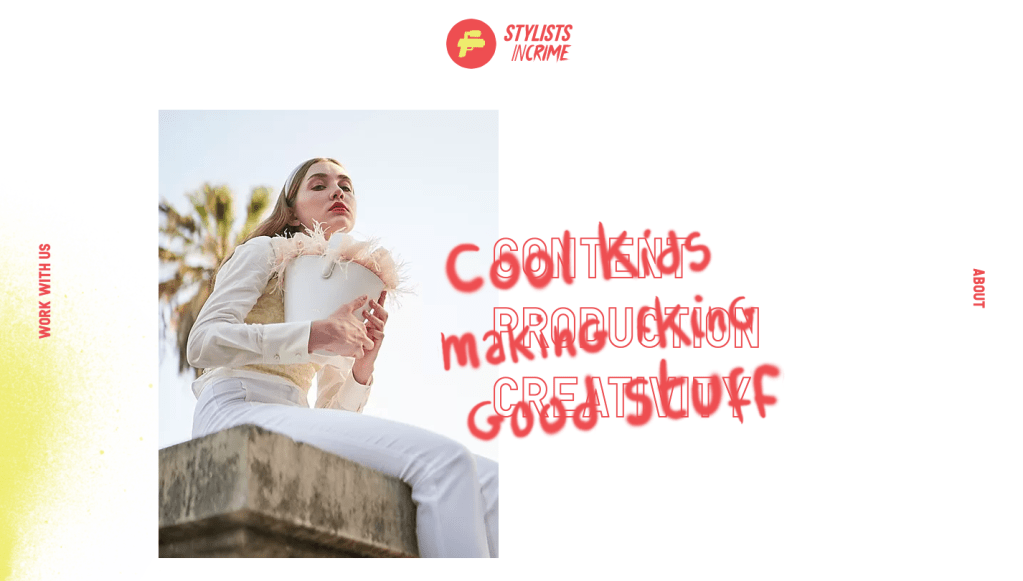
Stylists in crime is a company that has much photography within it. The layout of this site is excellent and again, full of surprises. As you hover over parts of texts, and overlay of something else pops up. Making the website feel more creative but relax. All the small details from the logo, to the spray paint effect, really brings this website together.
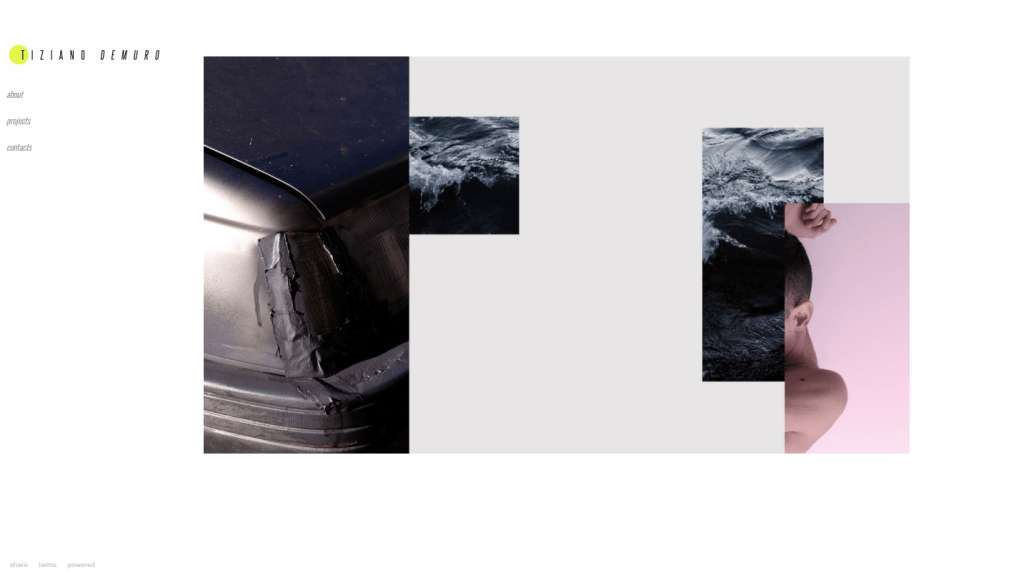
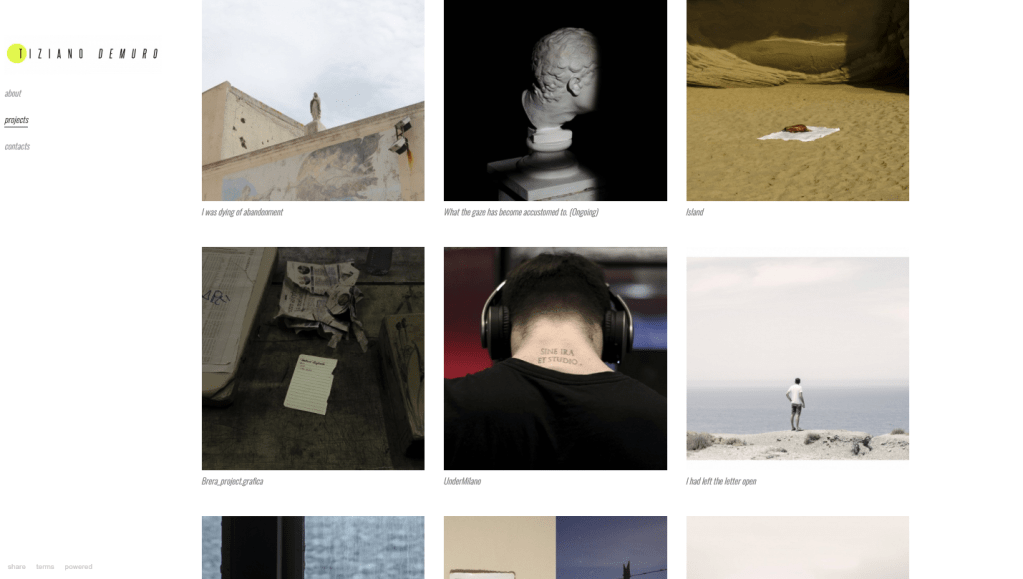
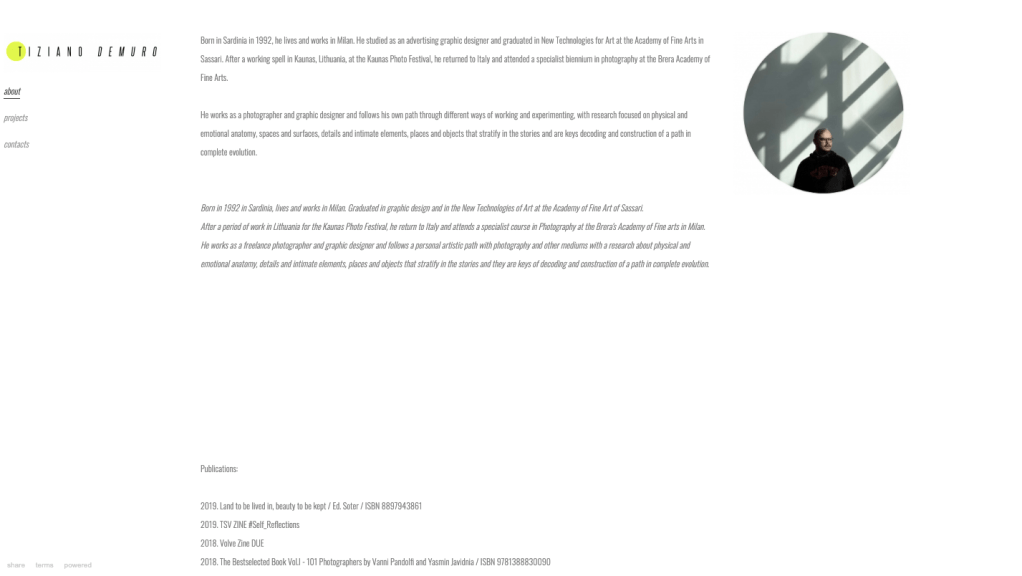
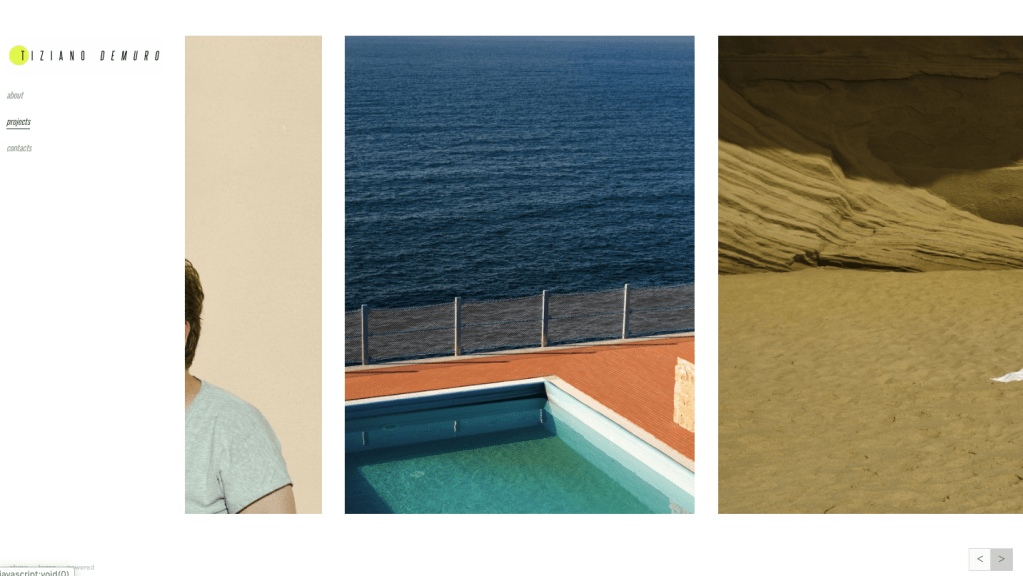
I also follow Italian photographer Tiziano Demuro, and I think his website makes his work stand out clearly than other sites. The layout of each page is clean, simple, and modern. Like Haris Nukem, from above, each one of his projects you scroll to the left to right. Using this method makes the images of the projects feel like a series. When creating my site, I am going to try this. On Demuro homepage, he has a digital mix-media collage of images, that do not make sense with each other. However, the placement makes it feel unique.



 SARAHLOCKYERUCA